

When it comes to pre-installed software on our computers, it’s not uncommon to find applications that we never use or even understand. One such program that often raises questions is VAIO Media plus Opening Movie. In this article, we will delve into what VAIO Media plus Opening Movie is, its purpose, and whether or not you should consider removing it from your computer.
Understanding VAIO Media plus Opening Movie
VAIO Media plus Opening Movie is a software application developed by Sony specifically for VAIO computers. It is often pre-installed on these devices and serves as a multimedia management tool. The primary purpose of VAIO Media plus Opening Movie is to provide users with a convenient way to organize, play, and share their media files, including photos, videos, and music.
With VAIO Media plus Opening Movie, users can create playlists, edit metadata, and even stream media to other devices on their home network. It offers a user-friendly interface that allows for easy navigation and customization of media libraries. Additionally, the software supports various file formats, ensuring compatibility with a wide range of media files.
Should You Remove VAIO Media plus Opening Movie?
Now that we have a basic understanding of what VAIO Media plus Opening Movie is, let’s explore whether or not it is necessary to keep this software on your computer.
Pros of Keeping VAIO Media plus Opening Movie
- Convenience: VAIO Media plus Opening Movie provides a convenient way to manage and access your media files. Its user-friendly interface makes it easy to organize and play your favorite music, videos, and photos.
- Streaming Capabilities: The software allows you to stream media to other devices on your home network, such as smart TVs or gaming consoles. This feature can be particularly useful if you enjoy sharing your media with others or prefer to watch content on a larger screen.
- Compatibility: VAIO Media plus Opening Movie supports a wide range of file formats, ensuring that you can play and manage various types of media files without the need for additional software.
Cons of Removing VAIO Media plus Opening Movie
- Loss of Functionality: If you remove VAIO Media plus Opening Movie, you will lose access to its features and functionalities. This may not be a significant concern if you already have alternative software that fulfills the same purpose, but it’s worth considering if you rely on VAIO Media plus Opening Movie for media management.
- Compatibility Issues: Removing VAIO Media plus Opening Movie may result in compatibility issues with other VAIO-specific software or features. If you use other VAIO applications that rely on VAIO Media plus Opening Movie, removing it could potentially disrupt their functionality.
How to Remove VAIO Media plus Opening Movie
If you have decided that removing VAIO Media plus Opening Movie is the right choice for you, there are a few methods you can use to uninstall the software from your computer.
Method 1: Using the Control Panel
- Open the Control Panel on your computer.
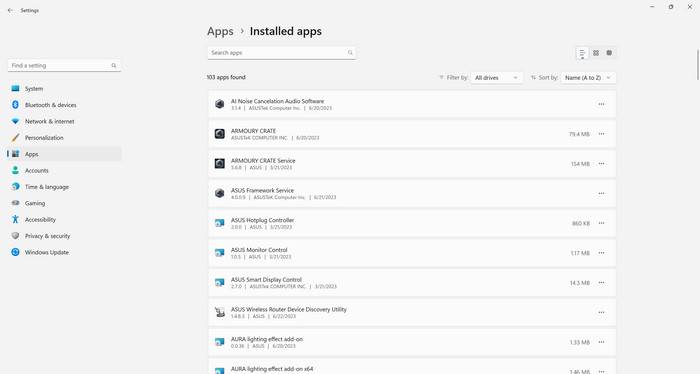
- Select “Uninstall a program” or “Programs and Features.”
- Locate VAIO Media plus Opening Movie in the list of installed programs.
- Right-click on VAIO Media plus Opening Movie and select “Uninstall.”
- Follow the on-screen prompts to complete the uninstallation process.
Method 2: Using a Third-Party Uninstaller
If you prefer a more thorough uninstallation process, you can consider using a third-party uninstaller tool like Revo Uninstaller Free. These tools can help remove any leftover files or registry entries associated with VAIO Media plus Opening Movie, ensuring a clean uninstallation.
Conclusion
VAIO Media plus Opening Movie is a multimedia management tool developed by Sony for VAIO computers. While it offers convenience and streaming capabilities, the decision to remove it ultimately depends on your personal preferences and usage patterns. Consider the pros and cons outlined in this article to make an informed decision.
If you do decide to remove VAIO Media plus Opening Movie, you can use the Control Panel or a third-party uninstaller tool like Revo Uninstaller Free to complete the process. Remember to weigh the potential loss of functionality and compatibility issues before proceeding with the uninstallation.
Ultimately, the choice is yours. Evaluate your needs and preferences to determine whether VAIO Media plus Opening Movie is a valuable addition to your computer or if it’s time to bid farewell to this pre-installed software.

Join the discussion
0 commentsShare your experience or ask a question about this article.
Discussion
Start the conversation
Have a question or something useful to share? Add the first comment.