

When it comes to pre-installed software on your computer, it’s important to understand what each program does and whether or not it is necessary for your system’s functionality. One such program that often raises questions is VAIO Messenger. In this article, we will delve into what VAIO Messenger is, its purpose, and whether or not you should consider removing it from your computer.
What is VAIO Messenger?
VAIO Messenger is a software application developed by Sony specifically for VAIO computers. It is designed to provide users with important system updates, news, and announcements related to their VAIO devices. The program acts as a communication channel between Sony and VAIO users, ensuring that they are informed about the latest software updates, driver releases, and other relevant information.
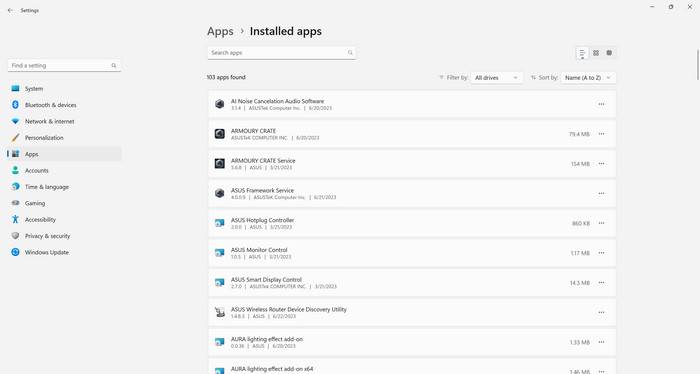
VAIO Messenger is typically pre-installed on VAIO computers and can be found in the system tray or taskbar. It may also appear as a desktop shortcut or in the list of installed programs in the Control Panel.
What Does VAIO Messenger Do?
VAIO Messenger serves as a convenient way for VAIO users to stay up-to-date with the latest software updates and news from Sony. The program regularly checks for updates and notifies users when new updates are available for their VAIO devices. This ensures that users have access to the latest features, bug fixes, and security patches.
In addition to software updates, VAIO Messenger also provides users with news and announcements from Sony. This can include information about new product releases, promotions, and other relevant updates. By using VAIO Messenger, users can stay informed about the latest developments in the VAIO ecosystem.
Should I Remove VAIO Messenger?
Whether or not you should remove VAIO Messenger depends on your personal preferences and usage of your VAIO computer. Here are a few factors to consider:
1. Importance of Software Updates
Software updates are crucial for maintaining the performance, stability, and security of your computer. If you value having the latest software updates and want to ensure that your VAIO device is running optimally, keeping VAIO Messenger installed is recommended. It provides a convenient way to receive notifications about new updates and install them promptly.
2. News and Announcements
If you are interested in staying informed about the latest news and announcements from Sony regarding VAIO products, VAIO Messenger can be a valuable tool. It delivers relevant information directly to your computer, allowing you to stay up-to-date with the latest developments in the VAIO ecosystem.
3. System Resources
Some users may be concerned about the impact of VAIO Messenger on system resources. While VAIO Messenger runs in the background, it typically has a minimal impact on system performance. However, if you have limited system resources or prefer to have fewer background processes running, you may consider removing VAIO Messenger.
How to Remove VAIO Messenger
If you have decided to remove VAIO Messenger from your computer, here are the steps to do so:
- Open the Control Panel by searching for it in the Start menu.
- Click on “Uninstall a program” or “Programs and Features” (depending on your version of Windows).
- Locate VAIO Messenger in the list of installed programs.
- Right-click on VAIO Messenger and select “Uninstall” or “Remove”.
- Follow the on-screen prompts to complete the uninstallation process.
After removing VAIO Messenger, it is recommended to restart your computer to ensure that all changes take effect.
Conclusion
VAIO Messenger is a software application developed by Sony for VAIO computers. It serves as a communication channel between Sony and VAIO users, providing important system updates, news, and announcements. Whether or not you should remove VAIO Messenger depends on your personal preferences and usage of your VAIO device.
If you value having the latest software updates and want to stay informed about the latest news and announcements from Sony, keeping VAIO Messenger installed is recommended. However, if you have limited system resources or prefer to have fewer background processes running, you may consider removing VAIO Messenger.
Ultimately, the decision to remove VAIO Messenger is up to you. If you do decide to remove it, follow the steps outlined in this article to uninstall it from your computer. Remember to regularly scan your computer for malware using Malwarebytes Free or other reputable antivirus software to ensure the security of your system.

Join the discussion
0 commentsShare your experience or ask a question about this article.
Discussion
Start the conversation
Have a question or something useful to share? Add the first comment.