

When it comes to optimizing your computer’s performance, it’s important to understand the various software and applications installed on your system. One such application that you may come across on your VAIO laptop is VAIO Transfer Support. In this article, we will delve into what VAIO Transfer Support is, its purpose, and whether or not you should consider removing it from your system.
What is VAIO Transfer Support?
VAIO Transfer Support is a pre-installed software application developed by Sony specifically for VAIO laptops. Its primary function is to facilitate the transfer of data and settings from an old computer to a new VAIO laptop. This application simplifies the migration process by allowing users to transfer files, folders, and even application settings from their old computer to their new VAIO laptop.
VAIO Transfer Support offers a user-friendly interface that guides users through the migration process step by step. It supports various transfer methods, including direct cable connections, network transfers, and even the creation of a backup image that can be restored on the new VAIO laptop.
Should I Remove VAIO Transfer Support?
Now that we understand what VAIO Transfer Support is, let’s discuss whether or not you should consider removing it from your system. The decision to remove VAIO Transfer Support depends on your specific needs and preferences. Here are a few factors to consider:
1. Data Transfer Requirements
If you frequently switch between computers or need to transfer large amounts of data and settings, VAIO Transfer Support can be a valuable tool. It simplifies the migration process and saves you time and effort. However, if you rarely transfer data between computers or prefer alternative methods, you may not find VAIO Transfer Support necessary.
2. System Resources
Like any software application, VAIO Transfer Support utilizes system resources such as CPU and memory. If you have limited system resources or notice a significant impact on your computer’s performance, removing VAIO Transfer Support may be a viable option. However, it’s important to note that VAIO Transfer Support is not known to be a resource-intensive application, and its impact on system performance is generally minimal.
3. Personal Preferences
Ultimately, the decision to remove VAIO Transfer Support boils down to personal preferences. If you prefer a clean and streamlined system with minimal pre-installed applications, removing VAIO Transfer Support can help achieve that. On the other hand, if you value the convenience and functionality it offers, keeping it installed may be the right choice for you.
How to Remove VAIO Transfer Support
If you have decided to remove VAIO Transfer Support from your system, here’s a step-by-step guide:
- Open the Control Panel on your VAIO laptop.
- Select “Uninstall a program” or “Programs and Features.”
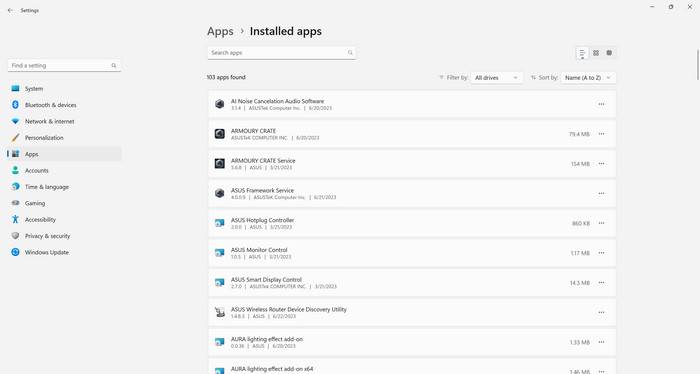
- Locate VAIO Transfer Support in the list of installed programs.
- Right-click on VAIO Transfer Support and select “Uninstall.”
- Follow the on-screen prompts to complete the uninstallation process.
It’s important to note that removing VAIO Transfer Support will not affect the functionality of your VAIO laptop. You can still transfer data and settings using alternative methods or third-party software if needed.
Conclusion
VAIO Transfer Support is a software application designed to simplify the data and settings transfer process for VAIO laptop users. Whether or not you should remove it depends on your specific needs, system resources, and personal preferences. If you frequently transfer data between computers and find the application useful, keeping it installed may be the right choice. However, if you prefer a clean system or notice a significant impact on system performance, removing VAIO Transfer Support is a viable option.
Before removing any software, it’s important to scan your system for malware. Malwarebytes Free is a reliable tool that can help detect and remove potential threats. Ultimately, the decision to remove VAIO Transfer Support should be based on your individual requirements and preferences.

Join the discussion
0 commentsShare your experience or ask a question about this article.
Discussion
Start the conversation
Have a question or something useful to share? Add the first comment.