

Welcome Center is a pre-installed software program that comes with Acer computers. It is designed to provide users with a convenient way to access various features and settings on their Acer devices. However, many users wonder if they should remove Welcome Center from their computers. In this article, we will explore what Welcome Center is, its features, and whether or not it is necessary to keep it installed.
What is Welcome Center?
Welcome Center is a software program developed by Acer that is pre-installed on their computers. It is designed to provide users with easy access to various features and settings on their Acer devices. When you first start up your Acer computer, Welcome Center will greet you with a user-friendly interface that offers quick access to important information and functions.
Some of the key features of Welcome Center include:
- System Information: Welcome Center provides users with detailed information about their computer’s hardware specifications, such as the processor, memory, and storage capacity.
- Device Settings: Users can easily adjust settings related to their Acer device, such as display brightness, power options, and audio settings.
- Support and Updates: Welcome Center offers access to Acer’s support resources, including driver updates, user manuals, and troubleshooting guides.
- Software Recommendations: The program also suggests additional software that users may find useful, such as productivity tools or entertainment apps.
Should I Remove Welcome Center?
Whether or not you should remove Welcome Center from your Acer computer depends on your personal preferences and needs. Here are a few factors to consider:
1. User Experience
Welcome Center is designed to enhance the user experience by providing easy access to important features and settings. If you find the program helpful and frequently use its features, there may be no need to remove it. However, if you rarely use Welcome Center and prefer to access settings and information through other means, removing it may declutter your system and improve performance.
2. System Resources
While Welcome Center is not a resource-intensive program, it does consume some system resources. If you have limited system resources or prefer to allocate them to other applications, removing Welcome Center can free up a small amount of memory and processing power.
3. Alternative Options
It is important to note that the features and functions provided by Welcome Center can often be accessed through alternative means. For example, system information can be obtained through the Windows Control Panel, and device settings can be adjusted directly through the Windows settings menu. If you are comfortable using these alternative options, removing Welcome Center may not have a significant impact on your user experience.
How to Remove Welcome Center?
If you have decided to remove Welcome Center from your Acer computer, there are a few methods you can use:
1. Uninstall via Control Panel
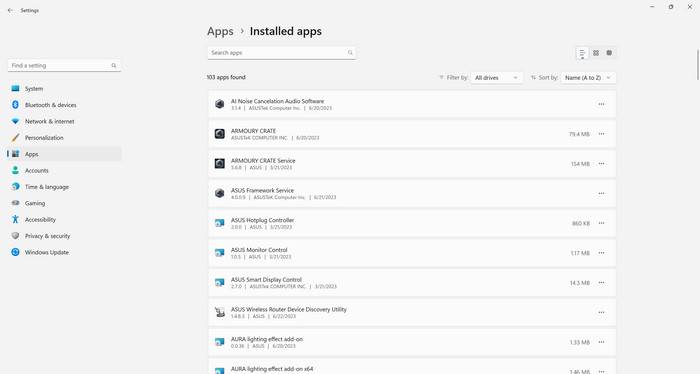
The most straightforward method is to uninstall Welcome Center through the Windows Control Panel. Here’s how:
- Open the Control Panel by searching for it in the Windows search bar.
- Click on “Uninstall a program” or “Programs and Features.”
- Locate Welcome Center in the list of installed programs.
- Right-click on Welcome Center and select “Uninstall.”
- Follow the on-screen prompts to complete the uninstallation process.
2. Use a Third-Party Uninstaller
If you prefer a more thorough uninstallation process, you can use a third-party uninstaller tool like Revo Uninstaller Free. This tool not only removes the program but also scans for leftover files and registry entries. Here’s how to use Revo Uninstaller:
- Download and install Revo Uninstaller Free from the official website.
- Launch Revo Uninstaller and select Welcome Center from the list of installed programs.
- Click on the “Uninstall” button and follow the prompts to initiate the uninstallation process.
- After the program is uninstalled, Revo Uninstaller will scan for leftover files and registry entries. Select the recommended options and click on “Delete” to remove them.
Conclusion
Welcome Center by Acer is a pre-installed software program that provides users with easy access to various features and settings on their Acer devices. Whether or not you should remove Welcome Center depends on your personal preferences and needs. If you find the program helpful and frequently use its features, there may be no need to remove it. However, if you rarely use Welcome Center and prefer to access settings and information through other means, removing it may declutter your system and free up system resources.
If you decide to remove Welcome Center, you can do so through the Windows Control Panel or by using a third-party uninstaller tool like Revo Uninstaller Free. Remember to consider the alternative options available for accessing the program’s features before making a decision.
Ultimately, the choice to remove Welcome Center is subjective and depends on your individual preferences and usage patterns. Evaluate your needs and weigh the pros and cons before deciding whether or not to remove Welcome Center from your Acer computer.

Join the discussion
0 commentsShare your experience or ask a question about this article.
Discussion
Start the conversation
Have a question or something useful to share? Add the first comment.