

Scams and phishing attempts have become increasingly prevalent in today’s digital landscape. Cybercriminals are constantly devising new tactics to trick unsuspecting individuals into revealing sensitive information or downloading malicious software. One such scam that has gained traction in recent years is the WeTransfer ‘Someone Sent You Some Files’ phishing email scam. In this article, we will delve into what this scam entails, how it works, what to do if you have fallen victim, and provide valuable insights to help you stay safe online.
What is the WeTransfer ‘Someone Sent You Some Files’ Phishing Email Scam?
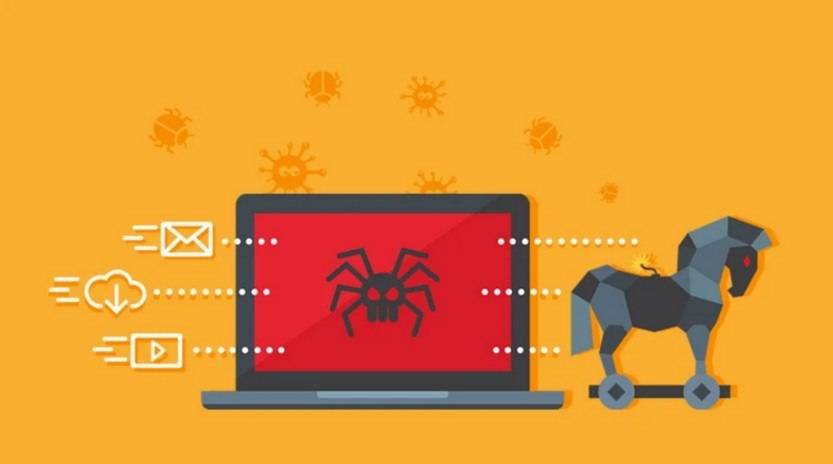
The WeTransfer ‘Someone Sent You Some Files’ phishing email scam is a deceptive tactic employed by cybercriminals to trick individuals into clicking on malicious links or downloading malware-infected files. The scam typically begins with an email notification that appears to be from WeTransfer, a popular file-sharing service. The email informs the recipient that someone has sent them files and provides a link to download them.
However, upon closer inspection, the email is not actually from WeTransfer but is instead a cleverly crafted phishing attempt. The goal of the scam is to deceive the recipient into clicking on the link, which leads to a fake website designed to steal personal information or infect the user’s device with malware.
How Does the WeTransfer ‘Someone Sent You Some Files’ Phishing Email Scam Work?
The WeTransfer ‘Someone Sent You Some Files’ phishing email scam relies on social engineering techniques to manipulate individuals into taking action. Here is a step-by-step breakdown of how the scam typically unfolds:
- The victim receives an email notification that appears to be from WeTransfer, with a subject line similar to “Someone Sent You Some Files.”
- The email contains a message informing the recipient that files have been shared with them and provides a link to download them.
- Curiosity or a sense of urgency compels the recipient to click on the link.
- Upon clicking the link, the victim is redirected to a fake website that closely resembles the legitimate WeTransfer site.
- The fake website prompts the victim to enter their login credentials or other personal information.
- Unsuspecting individuals who enter their information unknowingly provide it to the scammers.
- In some cases, the fake website may also attempt to download malware onto the victim’s device without their knowledge.
It is important to note that the WeTransfer ‘Someone Sent You Some Files’ phishing email scam may vary in its execution, with cybercriminals constantly adapting their tactics to increase their chances of success. Therefore, it is crucial to remain vigilant and skeptical of any unexpected emails or suspicious links.
What to Do If You Have Fallen Victim to the Scam?
If you have fallen victim to the WeTransfer ‘Someone Sent You Some Files’ phishing email scam, it is essential to take immediate action to minimize the potential damage. Here are the steps you should follow:
- Change your WeTransfer password: If you have entered your login credentials on the fake website, change your WeTransfer password immediately. This will help prevent unauthorized access to your account.
- Scan your device for malware: Run a thorough scan of your device using reliable antivirus software, such as Malwarebytes Free. This will help detect and remove any malware that may have been downloaded onto your device.
- Monitor your accounts: Keep a close eye on your financial accounts, email accounts, and any other online accounts that may have been compromised. Look for any suspicious activity and report it immediately.
- Report the scam: Report the phishing email and the fake website to the appropriate authorities. This can help in the investigation and potentially prevent others from falling victim to the same scam.
- Stay vigilant: Learn from the experience and remain cautious when interacting with emails, especially those that request personal information or contain suspicious links.
Technical Details of the WeTransfer ‘Someone Sent You Some Files’ Phishing Email Scam
The WeTransfer ‘Someone Sent You Some Files’ phishing email scam utilizes various techniques to deceive recipients and evade detection. Here are some technical details of the scam:
- Email spoofing: The scammers spoof the email address to make it appear as if the email is genuinely from WeTransfer. They may use similar domain names or manipulate the display name to trick the recipient.
- Phishing websites: The fake websites used in the scam are designed to closely resemble the legitimate WeTransfer site. They often replicate the branding, layout, and functionality to deceive users.
- Social engineering: The scammers exploit human psychology, relying on curiosity, urgency, or fear to prompt individuals to click on the malicious links or enter their personal information.
- Malware distribution: In some instances, the fake websites may attempt to download malware onto the victim’s device. This malware can range from keyloggers that capture sensitive information to ransomware that encrypts files and demands a ransom.
Statistics on Phishing Scams
Phishing scams, including the WeTransfer ‘Someone Sent You Some Files’ phishing email scam, continue to pose a significant threat to individuals and organizations worldwide. Here are some statistics that highlight the prevalence and impact of phishing scams:
- According to the FBI’s Internet Crime Complaint Center (IC3), phishing was the most reported cybercrime in 2020, with over 241,000 complaints.
- A report by Verizon found that 36% of data breaches involved phishing attacks.
- Phishing attacks cost businesses an estimated $1.8 billion in losses in 2020, according to the FBI.
- Research by Proofpoint revealed that 88% of organizations worldwide experienced at least one phishing attack in 2019.
Conclusion
The WeTransfer ‘Someone Sent You Some Files’ phishing email scam is a deceptive tactic employed by cybercriminals to trick individuals into revealing sensitive information or downloading malware. By understanding how this scam works and taking necessary precautions, such as being cautious of unexpected emails and suspicious

Join the discussion
0 commentsShare your experience or ask a question about this article.
Discussion
Start the conversation
Have a question or something useful to share? Add the first comment.