

Scams have become increasingly prevalent in the digital age, with scammers finding new and creative ways to deceive unsuspecting individuals. One such scam that has gained popularity in recent years is the ‘Win A Trip To New York’ Facebook scam. This article aims to provide a comprehensive overview of this scam, including what it is, how it works, what to do if you have fallen victim, and other relevant data.
What is the ‘Win A Trip To New York’ Facebook Scam?
The ‘Win A Trip To New York’ Facebook scam is a fraudulent scheme that targets Facebook users by promising them a chance to win an all-expenses-paid trip to New York City. Scammers create fake Facebook pages or posts that appear to be from reputable companies or organizations, enticing users to participate in a contest or giveaway.
How Does the Scam Work?
The scam typically starts with a Facebook post or advertisement that claims to offer a once-in-a-lifetime opportunity to win a trip to New York. The post may include enticing images of popular New York landmarks or celebrities to attract attention. Users are then prompted to click on a link or share the post to enter the contest.
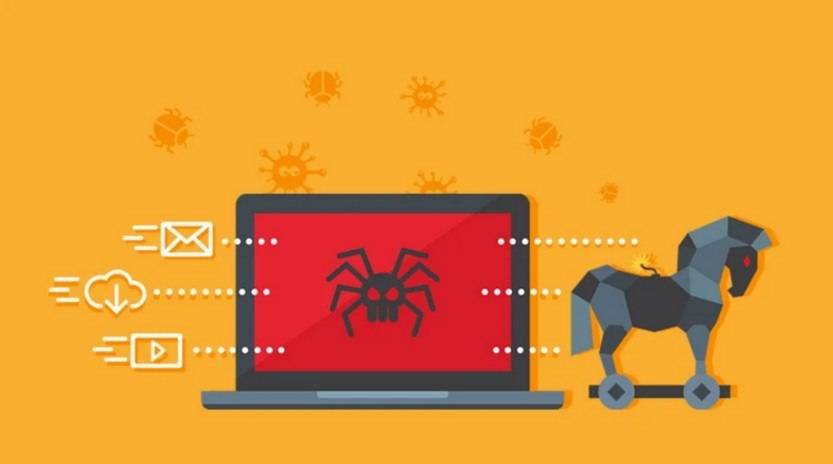
Once users click on the link or share the post, they are redirected to a website that appears to be legitimate. The website may ask users to provide personal information, such as their name, email address, and phone number, under the guise of entering the contest. In some cases, users may also be asked to complete surveys or download malicious software.
By providing their personal information or downloading malware, users unknowingly give scammers access to their sensitive data or compromise the security of their devices. This information can then be used for various malicious purposes, such as identity theft, financial fraud, or spreading malware to other users.
What to Do If You Have Fallen Victim?
If you have fallen victim to the ‘Win A Trip To New York’ Facebook scam, it is important to take immediate action to protect yourself and minimize the potential damage. Here are some steps you can take:
- Change your passwords: Start by changing the passwords for all your online accounts, especially those associated with your social media and email accounts. Use strong, unique passwords that are difficult to guess.
- Scan for viruses and malware: Run a scan with Malwarebytes Free or any reputable antivirus software to detect and remove any malicious software that may have been installed on your device.
- Monitor your accounts: Keep a close eye on your bank accounts, credit cards, and other financial accounts for any suspicious activity. Report any unauthorized transactions to your bank or financial institution immediately.
- Report the scam: Report the scam to the relevant authorities, such as your local law enforcement agency and the social media platform where you encountered the scam. This can help prevent others from falling victim to the same scam.
- Stay vigilant: Be cautious of any unsolicited messages or offers that seem too good to be true. Remember to verify the legitimacy of any contests or giveaways before participating.
Other Relevant Data
According to a report by the Better Business Bureau, the ‘Win A Trip To New York’ Facebook scam has affected thousands of users worldwide. The report highlights that scammers often target individuals who are more likely to fall for such scams, such as those who are desperate for a vacation or easily swayed by promises of luxury prizes.
Furthermore, the report reveals that scammers often use sophisticated techniques to make their scams appear legitimate. They may create fake websites that closely resemble the branding and design of well-known companies or use social engineering tactics to manipulate users into providing their personal information.
Summary
The ‘Win A Trip To New York’ Facebook scam is a deceptive scheme that preys on the desire for free travel and luxury prizes. By understanding how this scam works and taking necessary precautions, users can protect themselves from falling victim to such fraudulent activities. Remember to stay vigilant, report scams, and regularly scan your devices for viruses and malware using reputable software like Malwarebytes Free. By staying informed and cautious, we can collectively combat online scams and protect ourselves and others from falling victim to these malicious schemes.

Join the discussion
0 commentsShare your experience or ask a question about this article.
Discussion
Start the conversation
Have a question or something useful to share? Add the first comment.