

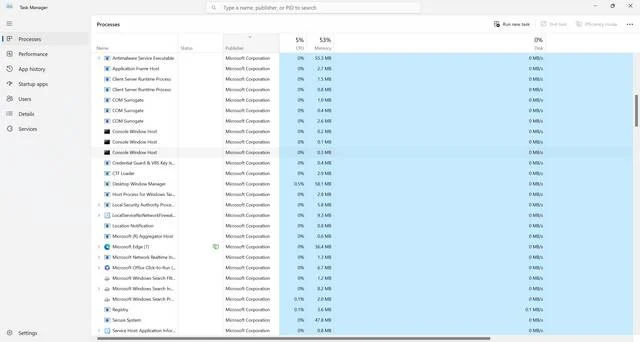
When you open the Task Manager on your Windows computer, you may notice a process called “Windows Driver Foundation” running in the background. This process, also known as “Wdf.exe,” is an essential component of the Windows operating system. In this article, we will explore why the Windows Driver Foundation process is running in Task Manager and its significance in maintaining the stability and functionality of your system.
What is the Windows Driver Foundation Process?
The Windows Driver Foundation (WDF) is a set of libraries and tools provided by Microsoft to simplify the development of device drivers for Windows. Device drivers are software programs that allow the operating system to communicate with hardware devices such as printers, graphics cards, and network adapters.
The Windows Driver Foundation process, represented by the “Wdf.exe” file, is responsible for managing and executing these device drivers. It provides a framework for driver development, ensuring compatibility, stability, and security across different hardware devices.
Why is the Windows Driver Foundation Process Running?
The Windows Driver Foundation process runs in the background to ensure that device drivers are functioning correctly and to handle any driver-related issues that may arise. Here are some reasons why the process may be running:
- Driver Initialization: When you start your computer, the Windows Driver Foundation process initializes the necessary device drivers to ensure that all hardware components are recognized and functional.
- Driver Updates: The process also handles driver updates. When you install a new driver or update an existing one, the Windows Driver Foundation process ensures a smooth transition and compatibility with the operating system.
- Driver Monitoring: The process continuously monitors the performance and behavior of device drivers. It detects any errors, conflicts, or crashes caused by faulty drivers and takes appropriate actions to prevent system instability.
- Driver Recovery: In the event of a driver failure or crash, the Windows Driver Foundation process attempts to recover the driver without disrupting the overall system operation. This helps to minimize the impact of driver-related issues on your computer.
Is the Windows Driver Foundation Process Safe?
The Windows Driver Foundation process is a legitimate component of the Windows operating system and is generally safe. However, like any other system process, it can be exploited by malware or malicious software to disguise their activities.
If you suspect that the Windows Driver Foundation process is behaving suspiciously or consuming excessive system resources, it is recommended to scan your computer for viruses and malware. Malwarebytes Free is a reliable and effective tool for detecting and removing malware from your system.
How to Identify Legitimate Windows Driver Foundation Process?
To ensure that the Windows Driver Foundation process running on your computer is legitimate, you can follow these steps:
- Verify File Location: The legitimate Windows Driver Foundation process is located in the “C:\Windows\System32” folder. If you find the process in any other location, it may be a sign of malware.
- Check Digital Signature: Right-click on the “Wdf.exe” file in the Task Manager and select “Properties.” Go to the “Digital Signatures” tab and verify that the signature is from “Microsoft Windows Publisher.” If the signature is missing or from an unknown source, it could indicate a potential threat.
- Scan for Malware: As mentioned earlier, perform a thorough scan of your computer using a reputable antivirus or anti-malware software like Malwarebytes Free to detect and remove any malicious software.
Conclusion
The Windows Driver Foundation process, represented by the “Wdf.exe” file, is an integral part of the Windows operating system. It ensures the proper functioning of device drivers, handles driver updates, monitors driver performance, and aids in driver recovery. While the process is generally safe, it is essential to remain vigilant and verify its legitimacy to protect your system from potential threats. By following the steps mentioned above and using reliable security software like Malwarebytes Free, you can ensure the smooth operation of your computer and safeguard it against malware and other security risks.

Join the discussion
0 commentsShare your experience or ask a question about this article.
Discussion
Start the conversation
Have a question or something useful to share? Add the first comment.