

Spam emails have been a nuisance for internet users for years, but a new type of spam email has recently emerged that is particularly deceptive and dangerous: ‘You Got A Text Message’ spam emails. These emails are designed to trick recipients into believing they have received a text message and encourage them to click on a malicious link or download a harmful attachment. In this article, we will explore what ‘You Got A Text Message’ spam emails are, how the scam works, what to do if you have fallen victim, and provide technical details and statistics to support our points.
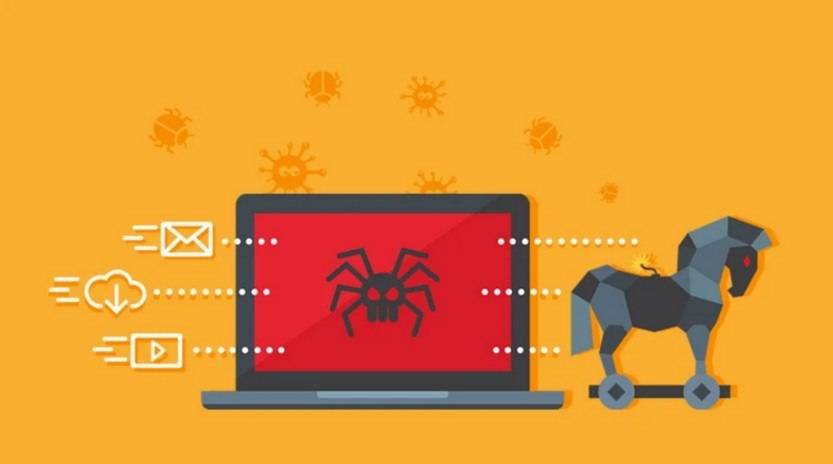
What are ‘You Got A Text Message’ Spam Emails?
‘You Got A Text Message’ spam emails are a type of phishing scam that attempts to deceive recipients into thinking they have received a text message. These emails often use subject lines such as “You have a new message” or “New voicemail” to grab the recipient’s attention and make them believe that they have missed an important communication.
The body of the email typically contains a message that urges the recipient to click on a link or download an attachment to view the supposed text message. The link or attachment is usually disguised as a harmless file, such as a PDF or a Word document. However, clicking on the link or downloading the attachment can lead to the installation of malware on the recipient’s device or the theft of sensitive information.
How the Scam Works
The ‘You Got A Text Message’ spam email scam works by exploiting the curiosity and urgency of recipients. When someone receives an email claiming they have a new text message, they may be tempted to click on the link or download the attachment immediately to find out who sent the message and what it says.
Once the recipient clicks on the link or downloads the attachment, they may unknowingly install malware on their device. This malware can take various forms, such as ransomware, spyware, or keyloggers. Ransomware can encrypt the victim’s files and demand a ransom for their release, while spyware can monitor the victim’s online activities and steal sensitive information like passwords and credit card details. Keyloggers record every keystroke made on the victim’s device, allowing the attacker to capture login credentials and other confidential information.
Furthermore, some ‘You Got A Text Message’ spam emails may redirect recipients to fake websites that mimic legitimate services, such as online banking or social media platforms. These fake websites are designed to trick users into entering their login credentials, which are then captured by the attackers.
What to Do If You Have Fallen Victim
If you have fallen victim to a ‘You Got A Text Message’ spam email, it is crucial to take immediate action to minimize the damage. Here are the steps you should follow:
- Disconnect from the internet: As soon as you realize you have clicked on a malicious link or downloaded a suspicious attachment, disconnect your device from the internet to prevent further communication between the malware and the attacker’s command-and-control server.
- Scan your device for malware: Run a scan with a reputable antivirus or anti-malware software, such as Malwarebytes Free, to detect and remove any malware that may have been installed on your device.
- Change your passwords: If you have entered any passwords or sensitive information on a fake website, change those passwords immediately. It is also a good practice to change passwords for other accounts that may have been compromised.
- Monitor your accounts: Keep a close eye on your bank accounts, credit card statements, and other online accounts for any suspicious activity. If you notice any unauthorized transactions or changes, report them to the respective institutions.
- Report the incident: Inform your email service provider about the spam email and any associated phishing attempts. They may be able to take action to prevent similar emails from reaching other users.
Technical Details
‘You Got A Text Message’ spam emails often use social engineering techniques to trick recipients into clicking on malicious links or downloading harmful attachments. These emails may employ various tactics to appear legitimate, such as:
- Using familiar sender names or email addresses that resemble legitimate organizations or individuals.
- Creating a sense of urgency or curiosity through subject lines and email content.
- Using official logos, branding, or email templates to mimic legitimate communication.
- Including personal information, such as the recipient’s name or phone number, to increase credibility.
Attackers may also use techniques like email spoofing to make the email appear as if it is coming from a trusted source. Email spoofing involves forging the email header to make it seem like the email originated from a different sender.
Statistics
The prevalence of ‘You Got A Text Message’ spam emails has been on the rise in recent years. According to a report by Symantec, a leading cybersecurity company, there was a 250% increase in phishing campaigns using text message-themed emails in 2022 compared to the previous year.
Furthermore, a study conducted by Verizon found that 30% of phishing emails were opened by recipients, and 12% of those who opened the emails clicked on the malicious links or downloaded the attachments. These statistics highlight the effectiveness of this type of spam email and the need for increased awareness and vigilance among internet users.
Summary
‘You Got A Text Message’ spam emails are a deceptive and dangerous form of phishing scam that attempts to trick recipients into clicking on malicious links or downloading harmful attachments. These emails exploit curiosity and urgency to deceive users and can lead to the installation of malware or the theft of sensitive information. If you have fallen victim to such an email, it is crucial to disconnect from the internet, scan your device for malware, change your passwords, monitor your accounts, and report the incident. Awareness of the tactics used in these spam emails, along with proactive measures like running regular antivirus scans, can help protect against falling victim to this type of scam.

Join the discussion
0 commentsShare your experience or ask a question about this article.
Discussion
Start the conversation
Have a question or something useful to share? Add the first comment.