

‘You Have Messages’ Email Survey Scams
Email scams have become increasingly prevalent in recent years, with scammers constantly devising new tactics to deceive unsuspecting victims. One such scam that has gained popularity is the ‘You Have Messages’ email survey scam. In this article, we will explore what this scam is, how it works, what to do if you have fallen victim, and provide valuable insights to help you stay safe online.
What is the ‘You Have Messages’ Email Survey Scam?
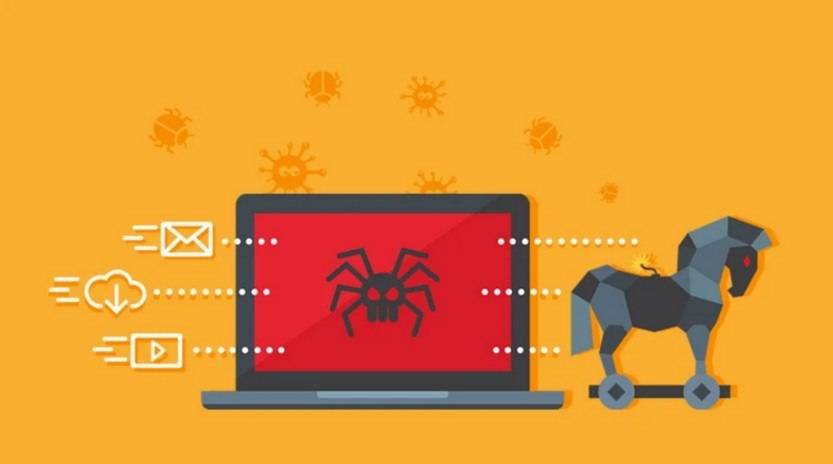
The ‘You Have Messages’ email survey scam is a type of phishing scam where scammers send emails to potential victims claiming that they have unread messages waiting for them. The emails often appear to be from reputable companies or organizations, such as banks, social media platforms, or online retailers.
The scammers use various tactics to make the emails appear legitimate, such as using official logos, email addresses that mimic the company’s domain, and persuasive language to entice recipients to click on a link or download an attachment.
How Does the Scam Work?
Once a victim clicks on the link or downloads the attachment in the email, they are directed to a fake website that resembles the legitimate company’s website. The website usually prompts the victim to complete a survey or provide personal information, such as login credentials, credit card details, or social security numbers.
Unbeknownst to the victim, the scammers are collecting this sensitive information with the intention of using it for fraudulent activities, such as identity theft or unauthorized financial transactions.
It is important to note that legitimate companies or organizations will never ask for personal information or login credentials via email. If you receive an email asking for such information, it is likely a scam.
What to Do If You Have Fallen Victim?
If you have fallen victim to the ‘You Have Messages’ email survey scam or any other phishing scam, it is crucial to take immediate action to minimize the potential damage.
1. Disconnect from the Internet
As soon as you realize you have fallen victim to a scam, disconnect from the internet to prevent further unauthorized access to your personal information. This can help limit the potential damage caused by the scam.
2. Scan for Viruses and Malware
Run a scan with a reliable antivirus or anti-malware software, such as Malwarebytes Free, to detect and remove any malicious software that may have been installed on your device as a result of the scam.
3. Change Your Passwords
Change the passwords for all your online accounts, especially those that may have been compromised during the scam. Use strong, unique passwords for each account and consider enabling two-factor authentication for added security.
4. Monitor Your Accounts
Regularly monitor your bank accounts, credit card statements, and other financial accounts for any suspicious activity. If you notice any unauthorized transactions or unusual behavior, report it to your bank or financial institution immediately.
5. Report the Scam
Report the scam to the appropriate authorities, such as your local law enforcement agency and the Federal Trade Commission (FTC). Providing details about the scam can help authorities track down the scammers and prevent them from victimizing others.
Protecting Yourself from Email Survey Scams
While it is impossible to completely eliminate the risk of falling victim to email survey scams, there are several steps you can take to protect yourself:
- Be cautious of unsolicited emails, especially those that ask for personal information or contain suspicious links or attachments.
- Verify the legitimacy of the email by independently contacting the company or organization using official contact information.
- Keep your devices and software up to date with the latest security patches to minimize vulnerabilities.
- Use strong, unique passwords for all your online accounts and consider using a password manager to securely store them.
- Enable two-factor authentication whenever possible to add an extra layer of security to your accounts.
Summary
The ‘You Have Messages’ email survey scam is a deceptive tactic used by scammers to trick individuals into providing personal information or login credentials. Falling victim to this scam can lead to identity theft and financial loss.
If you have fallen victim, it is important to disconnect from the internet, scan for viruses and malware, change your passwords, monitor your accounts, and report the scam to the appropriate authorities. Taking these steps can help minimize the potential damage caused by the scam.
To protect yourself from email survey scams, be cautious of unsolicited emails, verify the legitimacy of the email independently, keep your devices and software up to date, use strong passwords, and enable two-factor authentication whenever possible.
By staying vigilant and following these best practices, you can reduce the risk of falling victim to email survey scams and other phishing attempts.

Join the discussion
0 commentsShare your experience or ask a question about this article.
Discussion
Start the conversation
Have a question or something useful to share? Add the first comment.