

Scammers are constantly finding new ways to deceive unsuspecting individuals and steal their personal information or money. One of the latest tactics employed by cybercriminals is the ‘You’ve Been Issued With An Infringement Notice’ malware email. This article will delve into what this scam is, how it works, what to do if you have fallen victim, and provide valuable insights to help you stay safe online.
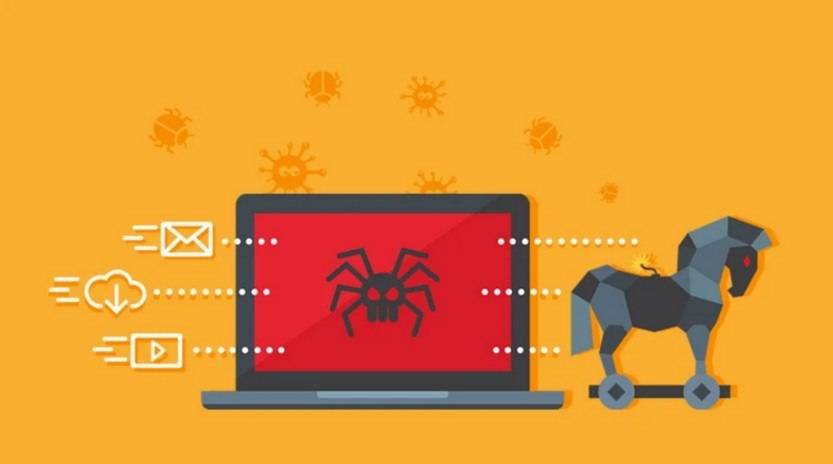
What is the ‘You’ve Been Issued With An Infringement Notice’ Malware Email?
The ‘You’ve Been Issued With An Infringement Notice’ malware email is a phishing scam that aims to trick recipients into believing they have committed a violation or infringement. The email typically appears to be from a legitimate organization, such as a government agency or a well-known company, and claims that the recipient has violated a law or regulation.
The email often includes official-looking logos, branding, and legal jargon to make it appear authentic. It may also threaten legal consequences or fines if the recipient does not take immediate action. To add credibility, scammers may even include a reference number or a link to a fake website that mimics the organization’s official site.
How Does the Scam Work?
Once the recipient opens the email and clicks on any links or attachments, they unknowingly download malware onto their device. This malware can take various forms, such as ransomware, spyware, or keyloggers, and can cause significant harm to the victim’s computer or compromise their personal information.
The malware may allow scammers to gain unauthorized access to the victim’s device, steal sensitive data like login credentials or financial information, or even encrypt their files and demand a ransom for their release. In some cases, the malware may also enable scammers to take control of the victim’s device and use it for illegal activities without their knowledge.
What to Do If You Have Fallen Victim
Discovering that you have fallen victim to the ‘You’ve Been Issued With An Infringement Notice’ malware email can be distressing, but it’s important to take immediate action to minimize the damage. Here are the steps you should follow:
- Disconnect from the internet: As soon as you suspect that your device has been compromised, disconnect it from the internet to prevent further communication between the malware and the scammer’s server.
- Scan your device for malware: Use a reliable antivirus or anti-malware software, such as Malwarebytes Free, to scan your device and remove any malicious software.
- Change your passwords: Immediately change the passwords for all your online accounts, especially those related to banking, email, and social media. Choose strong, unique passwords for each account.
- Monitor your accounts: Regularly monitor your financial accounts and credit reports for any suspicious activity. Report any unauthorized transactions or identity theft to the relevant authorities.
- Update your software: Keep your operating system, antivirus software, and other applications up to date with the latest security patches to protect against known vulnerabilities.
- Be cautious of future emails: Exercise caution when opening emails from unknown senders or those that seem suspicious. Avoid clicking on links or downloading attachments unless you are certain of their legitimacy.
Protecting Yourself from Malware Emails
Prevention is always better than cure when it comes to malware emails. Here are some proactive steps you can take to protect yourself:
- Be skeptical of unsolicited emails: Be wary of emails that come out of the blue, especially if they contain urgent requests or threats. Legitimate organizations typically do not send unsolicited emails regarding legal matters.
- Verify the sender’s identity: Check the email address and domain of the sender to ensure it matches the official contact information of the organization they claim to represent. Be cautious of slight variations or misspellings.
- Hover over links: Before clicking on any links in an email, hover your mouse over them to preview the URL. If the link appears suspicious or leads to a different website than expected, do not click on it.
- Keep your personal information private: Avoid sharing sensitive information, such as your Social Security number or financial details, via email. Legitimate organizations will not ask for such information via email.
- Enable two-factor authentication: Enable two-factor authentication whenever possible to add an extra layer of security to your online accounts. This requires a second form of verification, such as a unique code sent to your mobile device, in addition to your password.
Summary
The ‘You’ve Been Issued With An Infringement Notice’ malware email is a dangerous scam that aims to deceive individuals into downloading malware onto their devices. By understanding how this scam works and taking proactive measures to protect yourself, you can minimize the risk of falling victim to such attacks. Remember to stay vigilant, verify the authenticity of emails, and regularly update your security software to stay one step ahead of cybercriminals.

Join the discussion
0 commentsShare your experience or ask a question about this article.
Discussion
Start the conversation
Have a question or something useful to share? Add the first comment.