

A new stimulus check scam has emerged, falsely claiming that the government is providing eligible Americans with a $6,400 stimulus payment. Scammers are aggressively promoting this fake stimulus program online and via social media platforms like Facebook, YouTube and TikTok.
They are using deepfake videos of controversial internet personality Andrew Tate to spread legitimacy about the non-existent $6,400 stimulus program. This detailed article will provide an in-depth overview of how the scam works, what to do if you are victimized, and the truth about stimulus programs in 2023.
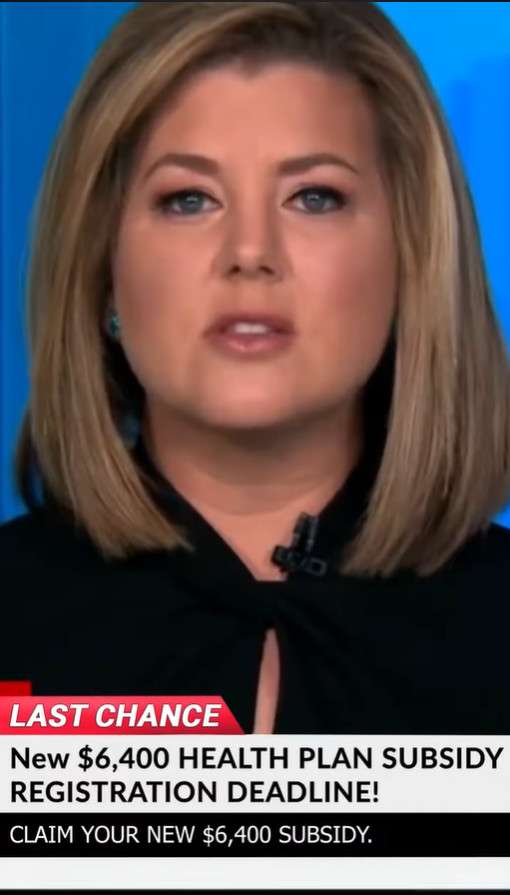
Overview of the $6,400 Stimulus Andrew Tate Scam
The $6,400 stimulus Andrew Tate scam is a form of government imposter fraud that aims to trick social media users into providing personal information and money. Scammers have set up fake websites and are running social media ads that pretend to be affiliated with the U.S. government stimulus programs.
How the Scammers Spread the Scam
The scammers are actively promoting the fake $6,400 stimulus program through:
- Fake social media ads on platforms like Facebook, TikTok, Instagram, YouTube etc.
- Imposter websites that mimic official government sites like the IRS to appear credible.
- Fake celebrity endorsements and deepfake videos of Andrew Tate promoting the non-existent stimulus.
- Posts and videos with fake reviews vouching for the legitimacy of the program.
The scam ads use sensationalist language like “Andrew Tate confirms $6,400 stimulus checks are available” or “Claim your $6,400 stimulus now”. When people click these scam ads, they are redirected to imposter websites asking for personal information like full name, date of birth, SSN, bank details etc. to “process their stimulus payment”.
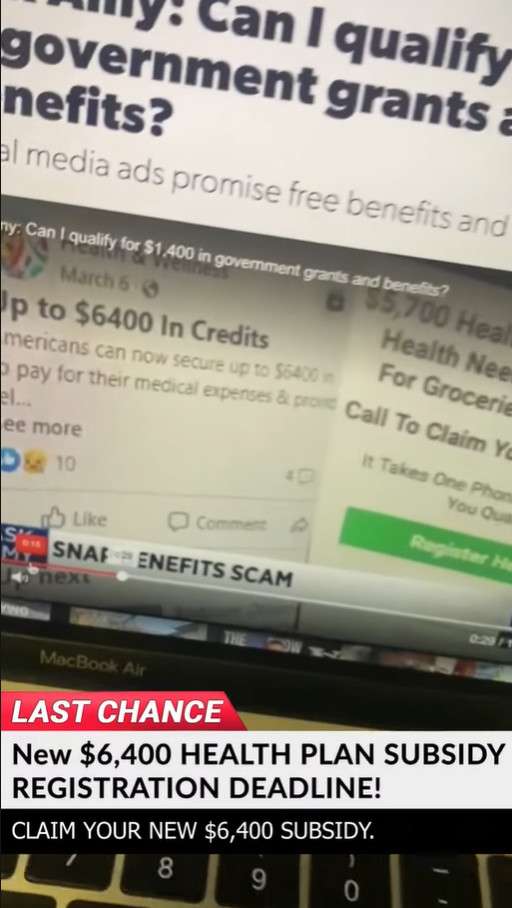
Giving any information to these fraudulent sites can lead to identity theft and financial frauds.
Scammers Impersonate Government Agents
Once users submit their personal data, the scammers contact them while impersonating government agents. They claim that the victim needs to pay various “fees” and “taxes” to receive their $6,400 stimulus payment.
These fees are demanded in form of gift cards, cryptocurrencies or bank transfers. The scammers may even try to gain remote access to the victim’s computer and files under the pretext of connecting with their bank account.
This allows them to directly steal money and sensitive information. No genuine government agent will ever demand upfront fees to release stimulus checks or subsidies.
Deepfake Videos Spreading Disinformation
One of the most devious tactics of this scam is the use of deepfake videos of controversial internet personality Andrew Tate. Deepfake technology allows scammers to use AI and machine learning to swap Tate’s face/voice into existing footage and make it appear like he is endorsing the fake stimulus program.
These manipulated videos take advantage of Tate’s fame and notoriety to convinced unwitting social media users that the $6,400 stimulus must be legitimate if a celebrity is vouching for it. In reality, Tate has no association with or knowledge of the scam bearing his likeness.
The deceptive use of deepfake technology makes the scam harder to recognize and stop for the average person.
No $6,400 Stimulus Check Exists
The most important fact about this scam is that the promised $6,400 stimulus payment does not exist. There are currently no active government programs providing American citizens with stimulus checks of this amount.
The last round of federal stimulus checks amounting to $1,400 were sent out in early 2021 under the American Rescue Plan signed by President Biden. There is no $6,400 stimulus check being issued by the government or the Affordable Care Act in 2023 despite what these scammers falsely claim.
Any ads or websites claiming otherwise are outright frauds trying to steal money and information. All authentic information on official government stimulus programs can be found on the IRS website and other .gov domains.
How the $6,400 Stimulus Andrew Tate Scam Works Step-by-Step
Now that we have outlined the overview of this scam, let’s explore step-by-step how the scammers operate to victimize social media users:
Step 1: Promoting Scam Ads Online
The first step involves aggressively promoting scam ads on various social media platforms like Facebook, Instagram, YouTube etc. These ads use exciting copy like “Andrew Tate confirms $6,400 stimulus checks available to Americans now!” and fake reviews to convince people the offer is legitimate.
The scam ads are designed to go viral by exploiting interest in stimulus checks and using Andrew Tate’s controversial persona. This drives a lot of traffic from unsuspecting social media users to the scam websites.
Step 2: Collecting Personal Information
When a user clicks on the scam ad, they are taken to a website pretending to be an official government stimulus program site. The website has a form asking users to enter extensive personal details like full name, date of birth, SSN, bank information, etc. to “confirm eligibility” and “process” their $6,400 stimulus payment.
If users enter their information, they are handing over their sensitive data directly to scammers who will misuse it for identity theft and financial fraud.
Step 3: Contacting Victims Posing as Government Agents
After collecting information directly or through the scam websites, the scammers contact the victims while impersonating government agents from the IRS, treasury department etc. They use spoofed official-looking phone numbers and emails to appear credible.
The scammers then inform the victim that there is a small “fee” required before the $6,400 stimulus can be deposited into their bank account. They instruct victims to pay this fee promptly via gift cards, cryptocurrency, bank transfers etc.
Step 4: Stealing Money from the Victims
Once the victim is hooked, the scammers will adopt various tactics to extort and steal as much money as possible from them. The initially demanded fee will keep increasing with more creative reasons like taxes, processing costs, bank fees etc.
Many times the scammers will try to trick the victims into allowing them remote access to their computers and bank accounts. This allows them to directly steal money and sensitive data. They may hold the $6,400 stimulus carrot indefinitely, bleeding the victims dry.
At no point will any actual stimulus money be deposited. The scammers will simply disappear after stealing from enough victims.
Step 5: Vanishing and Regrouping
When the scammers decide they have maximized profits from a scam website, they simply take it down and vanish. With all the personal data they have stolen from countless victims, they are able to keep running fresh variations of the scam.
The stolen identities and bank information also allows them to impersonate the victims to commit further frauds and cybercrimes. They keep a lookout for new trending internet personalities like Andrew Tate to base their next scam around.
This cycle continues endlessly with the scammers taking full advantage of gullible social media users. The best protection is being aware of their fraudulent tactics.
What to Do If You Have Fallen Victim to the $6,400 Stimulus Andrew Tate Scam
If you have been deceived by the $6,400 Andrew Tate stimulus scam, here are the vital steps to take immediately:
Step 1: Stop All Contact and Payments to the Scammers
First thing you need to do is cease all communications with the scammers if they have contacted you posing as government agents. Do not pay them any more money or gift cards no matter how convincing their reasons. Cut off contact completely.
Step 2: Call Your Bank Immediately
If you have shared any bank account information or allowed remote access, call your bank right away. Inform them you have been scammed and request them to closely monitor your accounts for any fraudulent activity.
Ask them to reverse any recent unauthorized transactions if caught in time. Also request new account numbers to fully protect your finances.
Step 3: Report Cybercrime to the FBI
Contact the FBI via their Internet Crime Complaint Center (ic3.gov) to report that you have been victimized by the scam. Provide them all relevant details like the scam website, fake ads, and any scammer contact information.
Reporting cybercrimes is important to get law enforcement actively tracking the scammers down and preventing further victims.
Step 4: Place Fraud Alert and Freeze Credit
Since this scam involves stealing sensitive personal data, also place an initial 90-day fraud alert on your credit file with Equifax, TransUnion and Experian. This flags your account and alerts creditors to verify your identity for new applications.
Consider going a step further with a credit freeze which locks down access to your credit report completely until you unfreeze. This fully protects you from identity theft damages.
Step 5: Scan Computer for Malware If Compromised
If you allowed the scammers remote access into your computer system and files, assume your device is now infected with malware and hackers.
Do a thorough scan with a powerful antivirus software like MalwareBytes to remove all infections. Also change all account passwords.
Step 6: Watch Out for Other Scams
Realize that once your personal information is compromised, you are now a target for related phishing attempts, spam calls, and identity fraud.
Be vigilant and do not trust any unsolicited contacts asking for money or data to avoid being re-victimized. Phone calls from alleged government agents demanding payment should be assumed fake.
Step 7: Learn From This Experience
While losing money to scammers is extremely unpleasant, try to view this as a life lesson. Now you know the red flags of a scam like being asked to pay fees before receiving benefits.
Be skeptical of sensational offers, do your due diligence on programs, and never trust a random website with your SSN and bank details, no matter how official it looks. Stay vigilant online.
Frequently Asked Questions about the Fake $6,400 Stimulus Andrew Tate Scam
What exactly is this $6,400 stimulus Andrew Tate scam?
This is a fraudulent government imposter scam promoted online and via social media ads. Scammers falsely claim the government is providing a $6,400 stimulus check to Americans. They use fake Andrew Tate videos and imposter websites to appear credible and steal personal information and money.
Is there really a $6,400 stimulus check from the government?
No, the $6,400 stimulus payment does not exist. The government is not issuing stimulus checks of this amount in 2023 despite claims by scammers.
How are scammers promoting this scam online?
Scammers are running fake ads on Facebook, Instagram, YouTube and other platforms highlighting the non-existent $6,400 stimulus. The ads use sensational copy like “Andrew Tate confirms…” and fake reviews to convince people the offer is real. Clicking these ads leads to imposter websites.
Why are they using Andrew Tate in this scam?
Andrew Tate is an internet personality with a controversial image. Scammers are exploiting Tate’s fame and infamy to create fake endorsements of the stimulus scam using deepfake technology. This convinces many people the offer is legit since Tate “confirmed” it.
What happens when you submit information on the scam websites?
The fake websites ask for personal details like SSN, bank info etc. to “process stimulus funds”. In reality, users are just handing their data directly to scammers who will misuse it to commit identity theft and steal money.
What do the scammers do after collecting information?
Scammers contact victims posing as government agents and claim they need to pay fees before receiving the $6,400. They demand these fees as gift cards, cryptocurrency transfers, etc. This is a ploy to steal money.
Will the scammers actually deposit any stimulus payment?
No, users will never receive any stimulus checks after engaging with these scammers. The scammers will keep demanding more money through gift cards and online transfers until the victim runs out of funds.
What should I do if I already gave the scammers information or money?
Immediately cease all contact and stop payments if you have fallen victim. Contact your bank to monitor accounts for fraud, report the scam to the FBI at ic3.gov and consider placing fraud alerts on your credit through Equifax, Experian and TransUnion.
How can I avoid falling for the $6,400 stimulus Andrew Tate scam?
Be wary of too-good-to-be true offers online. Verify reputability of websites before inputting personal data. Government sites end in .gov. Never pay any fees upfront to receive benefits or grants. Avoid clicking viral social media ads promoting stimulus checks.
Where can I get official information on government stimulus programs?
Authentic information is available on government sites like benefits.gov, USA.gov and IRS.gov. The FTC also provides guidance on avoiding stimulus scams at ftc.gov. If an offer seems fake, it likely is. When in doubt, search for verified .gov sources.
The Bottom Line on the Fake $6,400 Stimulus Andrew Tate Scam
The supposed $6,400 stimulus payment tied to Andrew Tate is a complete scam designed to manipulate innocent social media users and steal their money and data. Here are the key facts to remember:
- There is currently no $6,400 stimulus check program active in 2023. Any offer claiming this is an outright fraud.
- Scammers are promoting the fake stimulus through social media ads and imposter websites.
- Deepfake videos of Andrew Tate give false credibility to the scam. Tate is not actually involved.
- Scammers contact victims posing as government agents and demand upfront fees.
- Users should never pay money or provide sensitive personal data to unverified strangers online.
- Victims should immediately halt payments, monitor finances, report the fraud and place fraud alerts.
- Learning to identify warning signs like pressure for upfront fees can save you from such stimulus check scams.
Stay vigilant online and only trust information on government benefits from official .gov websites like benefits.gov, USA.gov, and IRS.gov. Report any suspicious offers you come across and spread awareness about the “Andrew Tate $6,400 stimulus” fraud.

Join the discussion
0 commentsShare your experience or ask a question about this article.
Discussion
Start the conversation
Have a question or something useful to share? Add the first comment.