

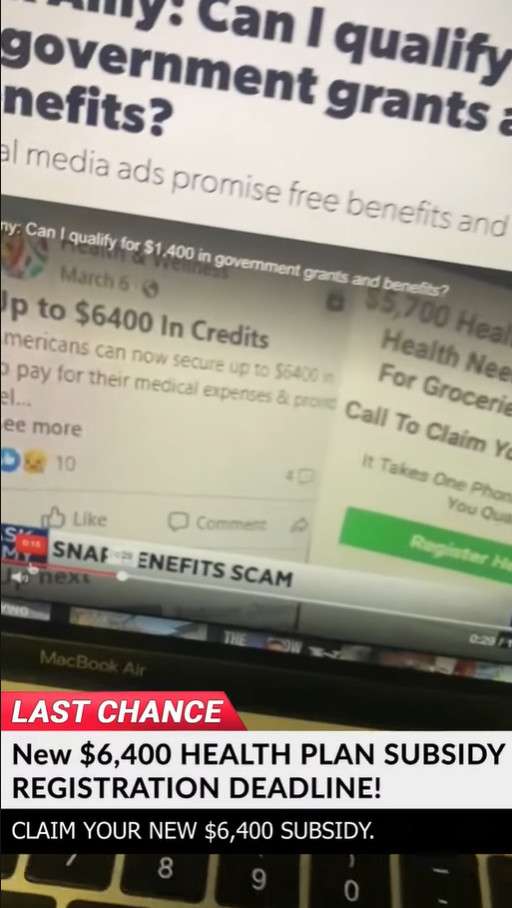
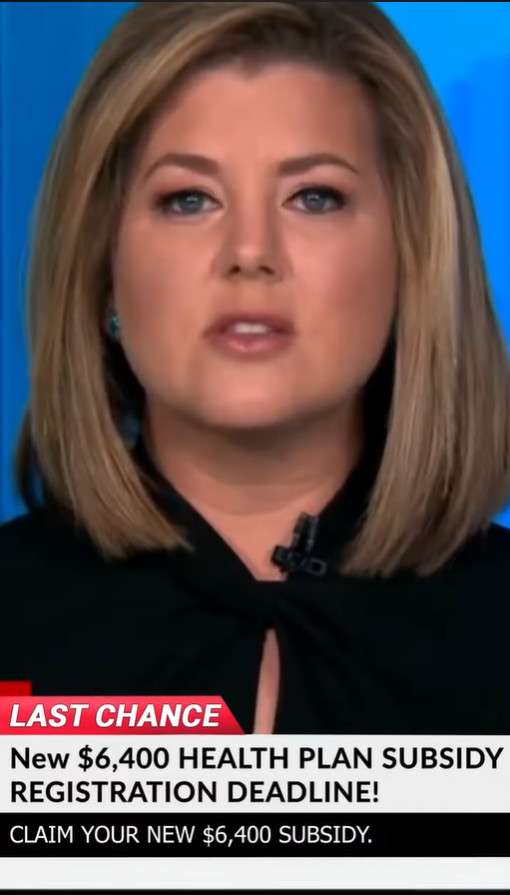
A new widespread government imposter scam called the “American Benefits Program” is being promoted aggressively on social media platforms like Facebook, YouTube, TikTok etc. Scammers are falsely claiming that the American Benefits Program provides eligible US citizens with a $6,400 stimulus and other financial aid.
To trick unsuspecting people into engaging with their scam, they are utilizing deepfake videos of various celebrities like Dr. Phil, Joe Rogan, Andrew Tate, Steve Harvey and even President Joe Biden. This detailed exposé article reveals how this American Benefits Program scam really works and how to protect yourself.
Overview of the American Benefits Program Scam
The American Benefits Program scam is essentially a way for scammers to steal personal information and money from social media users under the false pretext of providing government aid. They specifically claim to offer a non-existent $6,400 stimulus check as well as other financial benefits.
How Scammers Spread This Fraudulent Program
Some key methods scammers use to promote this scam include:
- Viral fake advertisements on Facebook, Instagram, YouTube, TikTok etc. promising users easy government aid.
- Fake celebrity endorsement videos created using deepfake technology to make it appear as if Dr. Phil, Joe Rogan, Andrew Tate and others are advocating this scam program.
- Imposter websites mimicking official government portals to collect user’s private data.
- Posts and videos containing fake reviews and comments endorsing the program’s legitimacy.
When people click these scam ads, they are directed to websites asking for personal details like full name, DOB, SSN, bank account information etc. to “confirm eligibility” and “process benefits”. In reality, users are just handing their data directly to scammers.
Scammers Pose as Government Agents
After capturing user’s information, the scammers contact them posing as agents from government organizations like the Social Security Administration. They claim that to receive the promised $6,400 and other benefits, the user must first pay various “fees”.
These fees are demanded upfront in the form of gift cards, bank transfers, Bitcoin etc. The scammers may also try gaining remote access to the victim’s financial accounts and files under the guise of “connecting to the benefits system”.
In the end, no promised benefits are actually provided. The scammers simply pocket the fees and any money/data they manage to steal by exploiting the victims.
Deepfake Videos Spread Disinformation
One of the most deceptive strategies of this scam is the use of AI-generated deepfake videos of celebrities. The scammers use fake videos of Dr. Phil, Joe Rogan, Andrew Tate and even President Joe Biden talking about and endorsing the American Benefits Program.
These deepfake videos take advantage of people’s trust in figures like Dr. Phil and Biden to convince them the program is legitimate and recommended even by the President himself. In reality, the celebrities and President have no knowledge of this scam whatsoever.
No Such Federal Program Exists
The fundamental truth about this scam is that the promised American Benefits Program does not actually exist. There are currently no federal programs that provide blanket $6,400 stimulus checks to citizens along with other financial aid as claimed.
All legitimate government benefit programs can be researched on official .gov websites like benefits.gov, SSA.gov, Medicaid.gov etc. Any out-of-the-blue offer like this American Benefits Program is certainly a scam.
How the American Benefits Program Scam Works Step-By-Step
Now that we have the overview of this fraud, let’s break down the step-by-step process used by scammers to deceive and steal from victims:
Step 1: Promoting Scam Ads on Social Media
The scammers heavily promote ads for the fake American Benefits Program on Facebook, Instagram, YouTube and other platforms. The ads contain exciting copy like “Dr. Phil’s Shocking Warning About This Year’s Benefits!” and fake comments.
These ads leverage the credibility of celebrities like Dr. Phil to trick users into believing the program is genuine and recommended by trusted public figures. Clicking the ad leads to an imposter website.
Step 2: Collecting Personal Information
The scam website prominently displays logos of government agencies and asks users for extensive personal details – full legal name, DOB, SSN, current address, bank details etc. Supposedly to “confirm eligibility” for the advertised $6,400 stimulus and other benefits.
In reality, users are unwittingly giving their information directly to scammers who will steal identities and money.
Step 3: Contacting Victims Posing as Government Agents
After users submit their data, the scammers contact them posing as agents from SSA, Treasury Department, Medicaid etc. They use spoofed official-looking phone numbers and email addresses for credibility.
The agents claim that to receive the promised $6,400 and other benefits, the victim must first pay a small “eligibility fee” or “processing fee”. This is a total fabrication.
Step 4: Stealing Money from Victims
If the victim pays the initial fee as demanded, the scammers will keep asking for more money for fake reasons like “insurance premiums”, “activation charges” etc. The victims may end up paying hundreds or thousands of dollars through untraceable methods like gift cards, Bitcoin, bank transfers etc.
In egregious cases, the scammers may even remotely access victim’s financial accounts to directly steal their money. They hold the carrot of the promised benefits indefinitely to extract as much as possible.
Step 5: Disappearing and Re-Grouping
When the scammers have siphoned adequate funds from a website and its victims, they abandon it and go dark. They utilize all the stolen personal data to run new variations of the American Benefits Program scam.
The cycle continues endlessly as the scammers refine their social engineering and exploit new trending celebrities through deepfake technology. Many victims lose considerable sums and have identities stolen before realizing it is a scam.
What to Do If You Already Fell Victim to This Scam
If you unfortunately got deceived by the fake American Benefits Program scam, here are the vital steps to take right away:
Step 1: Immediately Cease All Contact and Payments
First, stop communicating with the scammers immediately if they contacted you posing as government agents. Do not pay them anything more via any payment method. They will simply keep trying to siphon money.
Step 2: Notify Your Bank and Financial Institutions
Contact your bank and any financial institutions that handle your credit cards, retirement accounts etc. Inform them you are the victim of fraud. Closely monitor all accounts for any unauthorized access and transactions.
Step 3: Report the Crime to Relevant Authorities
Report the scam to the FTC at ReportFraud.ftc.gov and file an internet crime complaint with the FBI at ic3.gov. Provide them all details you have about the scam ads, websites and contact info of scammers. This helps authorities track them.
Step 4: Place Fraud Alert and Credit Freeze
Put an initial 90-day fraud alert on your credit file and also consider placing a credit freeze. This protects you from identity theft and blocks scammers from opening any new accounts in your name.
Step 5: Reset All Account Passwords
Since the scammers have your personal data, immediately reset the passwords of all your financial, social media, email and other online accounts to new secure ones. Enable two-factor authentication wherever possible.
Step 6: Scan Devices for Malware If Compromised
If you allowed the scammers any remote access to your computer, phone or other devices, assume they are infected with malware, viruses and keyloggers. Do a full scan with security software to remove any infections.
Stay vigilant for other scams as you are now a target. Never pay fees upfront for a benefit. Learn to identify red flags like pressure tactics, promised unrealistic benefits and requests for unusual payments.
Frequently Asked Questions about the Fake American Benefits Program Scam
What is this American Benefits Program scam?
This is a fraudulent scam where scammers promise a non-existent $6,400 stimulus check and other government benefits through a fake program called the “American Benefits Program”. They promote it via social media ads and imposter websites.
Are the celebrities in the ads really endorsing this program?
No. The scammers use fake celebrity endorsement videos generated with deepfake AI technology. This fools people into thinking trusted figures like Dr. Phil and President Biden advocated this scam program when they actually have no knowledge of it.
What information do the scammers ask for?
The scam websites ask for extensive personal details like full legal name, DOB, SSN, current address, bank account numbers, etc. Supposedly to confirm eligibility for the advertised benefits. In reality, this information is used to steal identities.
What happens after users submit their information?
Scammers contact the victims posing as government agents. They claim users must pay various upfront fees before they can receive the promised $6,400 stimulus and other benefits. The fees are demanded as gift cards, bank transfers, Bitcoin etc.
Do victims get any promised benefits after paying fees?
No. This is a scam. Victims who pay any fees will not receive any actual benefits like stimulus checks or government aid. The scammers simply pocket the money and disappear after stealing from enough victims.
What should I do if I already paid the scammers?
Immediately stop all contact and payments if you already fell victim. Notify your bank, report to the FTC and FBI, place fraud alerts on your credit, reset account passwords and watch out for further scams or identity theft.
How can I avoid this American Benefits Program scam?
Be wary of viral social media ads promising government benefits, especially those involving celebrity endorsements. Do not input your personal information on random websites. Research real government programs on benefits.gov and SSA.gov.
Where can I get info on legitimate government aid programs?
Genuine government benefit programs can be found on official .gov websites like benefits.gov, Medicaid.gov, SSA.gov, VA.gov etc. Beware of any unsolicited offer for government aid through an unfamiliar “program”. Conduct due diligence.
Are there really $6,400 stimulus checks being given out?
No. The government is not issuing any blanket $6,400 stimulus payments currently, despite claims by scammers. Any offer stating otherwise is fraudulent. Stay up to date on actual stimulus programs through IRS.gov.
The Bottom Line on the American Benefits Program Scam
The supposed American Benefits Program promising a $6,400 stimulus along with other government financial aid is completely fraudulent. Steer clear of such scams and remember:
- The promised program does not exist. Any offer related to it is fake and illegal.
- Scammers promote it via social media ads and imposter websites with celebrity deepfakes.
- They contact victims posing as government agents asking for personal data and upfront fees.
- Users should never pay money or share sensitive data with unverified strangers.
- Report it to FTC, FBI, bank and credit bureaus if victimized. Learn to spot red flags.
- Check benefits.gov, Medicaid.gov and SSA.gov for legitimate government programs.
Stay vigilant online and do your due diligence before engaging with “too good to be true” offers promising easy government aid in exchange for personal details.

Join the discussion
0 commentsShare your experience or ask a question about this article.
Discussion
Start the conversation
Have a question or something useful to share? Add the first comment.