

Your phone rings from an 888 number, and the caller sounds as though they already know you. They may claim to represent your bank, a delivery company, a government office or a familiar technology brand. Because 888 is a recognized toll-free code, the call can feel more official than one from an ordinary mobile number.
That appearance proves nothing. Scammers can manipulate caller ID and display a toll-free number they do not control. The real danger is not the 888 code itself, but the false trust it creates while the caller pushes you to reveal a code, install software or make an urgent payment.
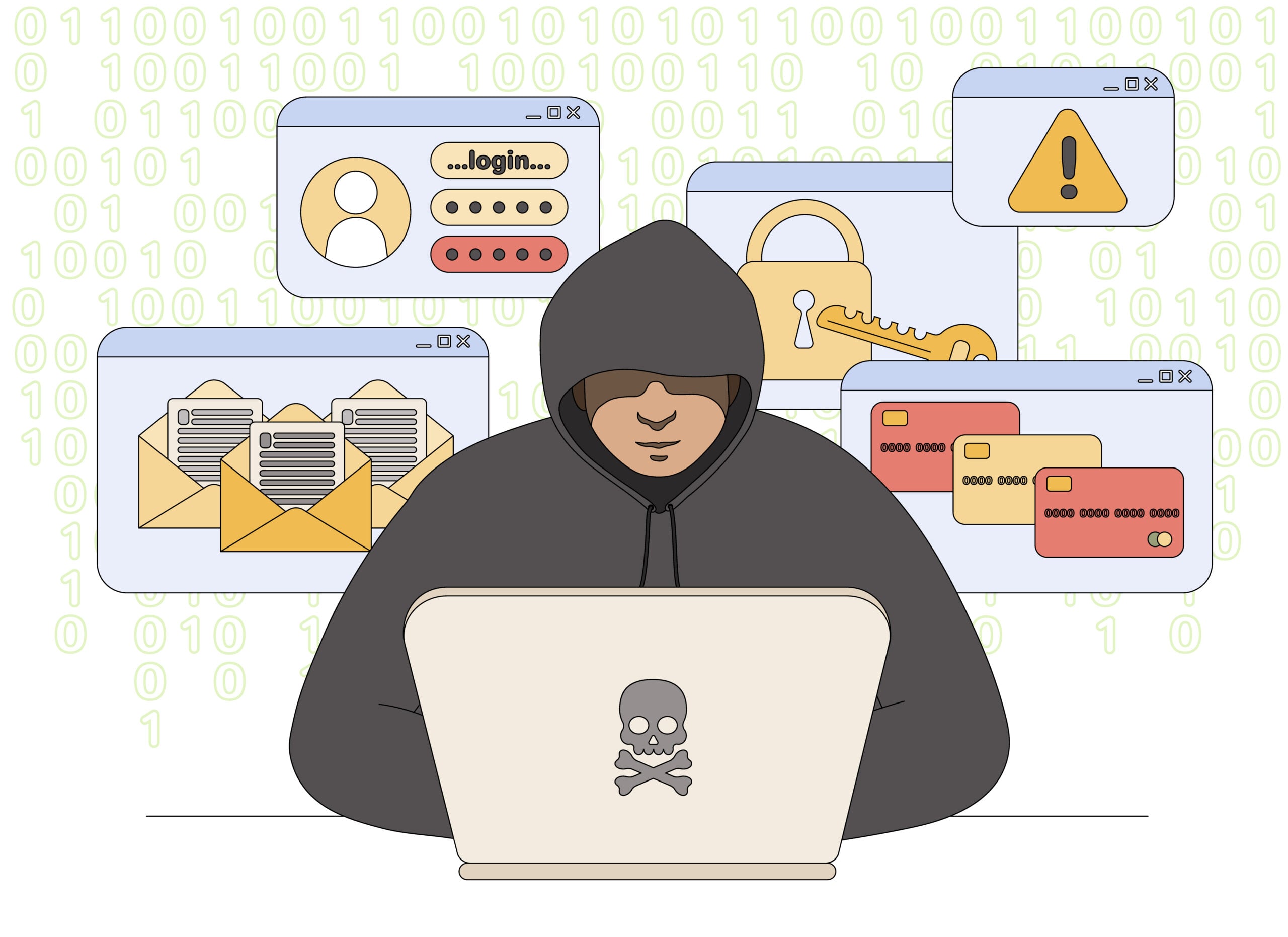
888 Area Code Scam Overview
What an 888 number actually tells you
An 888 number is a legitimate North American toll-free number. Banks, insurers, retailers and government offices may use one for customer service. The code affects billing; it does not identify the person speaking or prove that the displayed number placed the call.
That distinction is the heart of this scam. Criminals can spoof caller ID so that your phone displays a real organization’s toll-free number. They can also register a temporary 888 line, add a professional greeting and route calls through a convincing menu. Everything can look organized while the person on the other end remains an impersonator.
Why the call feels believable
The approach usually begins with a problem that sounds urgent but familiar: a suspicious bank payment, a parcel that cannot be delivered, an expensive subscription renewal or unusual activity on an online account. The caller may know your name, email address or part of an old address from leaked or commercially available data.
The script then turns concern into obedience. You are asked to stay on the line, confirm personal details, read back a security code or install a support application. Some callers say they are moving money to a safe account; others demand a refundable deposit, gift cards or cryptocurrency. None of those actions verifies or protects an account.
- What is real: 888 is a valid toll-free code used by legitimate organizations.
- What is fake: the claim that caller ID proves who is on the phone.
- What the criminal wants: credentials, one-time codes, remote access or a hard-to-reverse payment.
- What breaks the scam: hanging up and contacting the named organization through a number you find independently.
Do not judge an 888 call by its branding, menu or confident tone. Judge it by the requested action. A real company will let you disconnect and verify the issue through its official app, statement or published contact number. A scammer needs you to remain inside the call they control.
Warning Signs an 888 Call Is a Scam
Read the request, not the displayed number
A polished voice and a familiar company name are easy to imitate. The strongest warning signs appear when the caller tries to control your next action and prevent independent verification.
Legitimate organizations may contact customers about real issues, but they should allow you to end the call and reconnect through a number printed on your card, statement or official website. A scammer needs you to stay inside the conversation they created.
Red flags at a glance
- The call is unexpected. You did not request support, a refund, an account review or a government callback.
- The caller creates a deadline. Your account will supposedly close, a payment will fail or police action will begin unless you respond now.
- You are asked for a security code. The caller wants a one-time password sent by your bank, email provider or payment app.
- Payment must be unusual. Gift cards, cryptocurrency, wire transfers and payment apps are presented as the only acceptable options.
- Remote access is required. You are told to install a screen-sharing or support program so the caller can fix a problem.
- Verification is discouraged. The caller says hanging up will cancel protection, increase a penalty or expose your account to danger.
What Caller ID Can and Cannot Confirm
A spoofed number and a callback number are different risks
When a scammer spoofs a real company’s 888 number, the display is false but the genuine number still belongs to the company. If you hang up and dial the number printed on your card or statement, you should reach the real organization rather than the criminal who placed the call.
A disposable 888 number registered by the scammers works differently. Calling it back may return you to the same fraudulent center, complete with hold music and a menu. That is why the safe number must come from a trusted record you already had, not from the call, voicemail or follow-up text.
- Caller ID label: may be supplied by a database or phone app and can be wrong.
- Displayed number: can be spoofed or owned by a short-lived operation.
- Callback menu: proves only that someone configured a phone system.
- Independent contact: reconnects through a number the caller did not choose for you.
Answering can reveal more than you realize
Even without payment, a conversation confirms that the number is active and that a particular story gets your attention. Your answers may reveal where you bank, which services you use and whether you respond to authority or urgency.
Give the caller as little feedback as possible. Do not confirm your name, dispute the supposed transaction or press a key to reach an agent. Hang up and investigate the claim separately.
How the 888 Area Code Scam Works
Step 1: A spoofed toll-free number appears
The criminal places a robocall or live call while falsifying the caller ID. Your screen may show an 888 number, a recognizable business name or both, even though the call originated somewhere else.
A toll-free caller ID is chosen because people associate it with customer service. The number lowers suspicion before the caller has provided any verifiable information.
Step 2: The caller borrows a trusted identity
The person claims to be from a bank, online marketplace, utility company, government office or technology provider. They may know your name or email address from leaked marketing data.
Some calls begin with an automated message asking you to press a key about a suspicious purchase. That small interaction confirms an active number and transfers concerned recipients to a trained scammer.
Step 3: A believable emergency is introduced
You are told that someone used your account, renewed an expensive subscription, missed a payment or created a legal problem in your name. The story is designed to trigger fear before you have time to check it.
The caller may read a fake case number or transaction amount to sound organized. Those details were created by the same person making the claim and are not independent proof.
Step 4: The caller performs a fake verification
Next, the scammer asks you to confirm your address, birth date, card digits or account login. Each answer helps complete an identity profile or pass a real company security check later.
If a one-time code arrives, the caller says it proves your identity or cancels the transaction. In reality, the code may authorize a password reset, new device or money transfer.
Step 5: You are pushed into a controlled channel
The caller may direct you to a website, send a text link or ask you to install remote-access software. Once they can see your screen, they can watch passwords, move files and manipulate what appears in a browser.
Another version keeps you on the phone while directing you to a bank branch, store or cryptocurrency machine. Constant conversation prevents you from asking an employee or family member for a second opinion.
Step 6: Money is moved in a hard-to-reverse way
The supposed solution becomes a payment, safe-account transfer, refundable deposit or purchase of gift cards. The scammer may claim the transfer protects your funds, clears a debt or corrects a refund error.
These methods are deliberate because they offer weak recovery options. A real bank, government agency or support department will not ask you to protect money by sending it to a stranger.
Step 7: Follow-up callers reuse the information
A person who answers, shares details or pays may receive more calls from different toll-free numbers. The next caller can quote earlier information and pretend to be a supervisor, investigator or recovery specialist.
This second approach often asks for another payment to release funds or recover the first loss. It is a continuation of the same fraud, not a rescue service.
How To Verify an 888 Caller Safely
Leave the caller’s channel first
Do not try to prove the call is real while the caller controls the conversation. End it, find a trusted contact method yourself and begin again from outside the caller’s script.
A safer verification sequence
- Hang up without pressing keys. Do not use a callback number supplied in the voicemail or message.
- Find the real number independently. Use the back of your card, a paper statement, a bookmarked app or the organization’s official website.
- Check the account directly. Open the official app or type the known web address rather than following a link.
- Ask about the exact claim. A legitimate representative can see whether a transaction, case or service ticket actually exists.
- Never read a one-time code aloud. Security codes are meant for the person who initiated the real action.
- Let unknown calls go to voicemail. A genuine organization will provide a message you can verify without demanding instant payment.
What To Do If You Responded to an 888 Scam Call
Stop access before investigating the story
End the call immediately, even if the person claims that disconnecting will cause a loss or arrest. Write down what the caller said, which number appeared and exactly what information or access you provided.
If you only answered, block the number and expect additional attempts. If you disclosed a password, security code, card number, banking information or identity details, treat the incident as an active compromise.
Do not call a recovery number that contacts you afterward. Criminal groups frequently return with a second identity and promise to retrieve lost money for another upfront payment.
Recovery checklist
- Contact the bank or card issuer through its verified number and ask it to stop or recall any pending transaction.
- Change exposed passwords from a clean device, beginning with email and financial accounts, and do not reuse the replacement password.
- Tell the affected company if you shared a one-time code so it can terminate unauthorized sessions or devices.
- Disconnect a computer from the internet if remote-access software was installed, then remove the program and run a trusted security scan.
- Review bank, card, email and mobile-provider accounts for changed contact details, forwarding rules or unfamiliar activity.
- Place a fraud alert or credit freeze if a Social Security number or enough identity information was disclosed.
- Save call logs, voicemails, texts, receipts and payment details before deleting or blocking anything.
- Report the call to the FTC and FCC, and contact local police when money was lost or threats were made.
Fast action matters most when a transfer is still pending or a password-reset session remains active. Be direct with the bank and explain that you were deceived by an impersonator; accurate timing and documentation give investigators the best chance to help.
Frequently Asked Questions
Is every call from an 888 number a scam?
No. Banks, retailers, healthcare providers and many other legitimate organizations use 888 numbers. The number alone cannot prove whether a call is genuine because caller ID can be spoofed.
Will calling an 888 number create premium charges?
An 888 number is generally toll-free within the North American Numbering Plan. The main risk in this scam is reaching a fraudulent call center and being manipulated, not an automatic international premium-rate fee.
Can a scammer display my bank’s real 888 number?
Yes. Caller ID information can be falsified. Hang up and call the number printed on your card or shown inside the official banking app.
Should I call back if the voicemail sounds urgent?
Do not use the number given in the voicemail. Contact the named organization independently and ask whether the claimed issue exists.
The Bottom Line
An 888 caller ID is a display label, not proof of identity. Scammers exploit the professional appearance of toll-free numbers to make fake account emergencies, legal threats and support calls feel credible.
Hang up as soon as the caller asks for a code, remote access or urgent payment. A real organization will still be reachable through the trusted number you find yourself; a scam depends on keeping you inside the call.








