

A voicemail says an Arkansas State Police officer needs to speak with you about a serious investigation. The caller may introduce himself as Officer Jackson, mention the Internet Crimes Against Children unit and warn that ignoring the message could lead to a warrant or arrest.
This is a law-enforcement impersonation scam. The accusation is designed to frighten you into calling a number controlled by criminals, where they can demand personal information or payment. Do not call back, negotiate or try to clear your name with the person who left the threat.
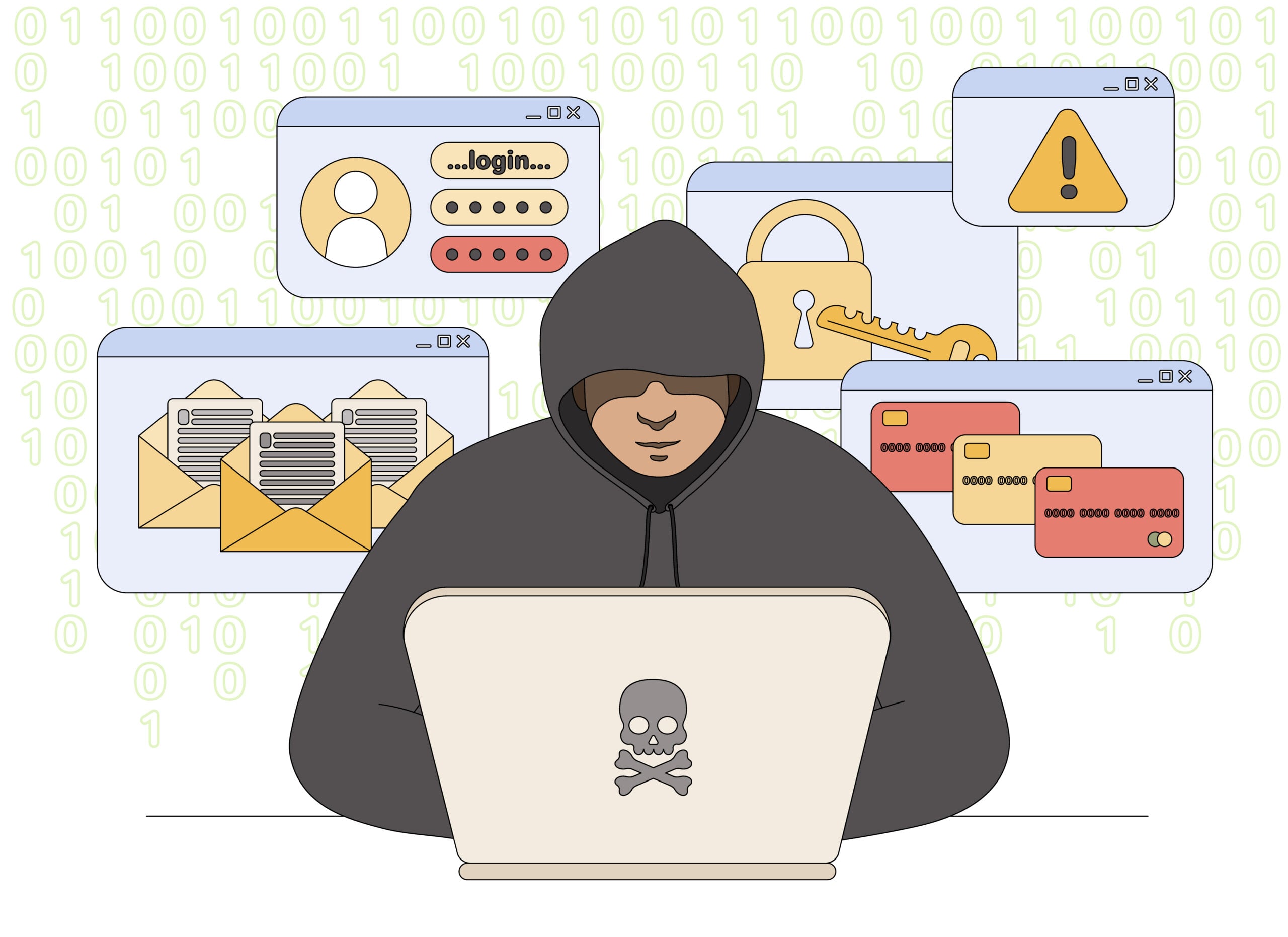
Arkansas State Police Officer Jackson Scam Overview
What recipients are being told
The call or voicemail claims to come from the Arkansas State Police and may identify the speaker as Officer Jackson. Some messages refer to the Internet Crimes Against Children unit, an active investigation or evidence supposedly connected to the recipient. The subject is deliberately alarming, pushing people to react before checking the contact.
The caller may provide a badge number, division name and case reference, then warn that failure to respond will lead to a warrant or immediate arrest. Those details sound official, but they are created by the same stranger making the accusation. A real agency name and a local-looking caller ID do not authenticate the person using them.
The accusation is a pressure device
This is a law-enforcement impersonation scam. The criminal is not trying to conduct a proper interview or explain evidence. The objective is to isolate the target, collect identity information and eventually introduce a payment described as a bond, fine, verification deposit or way to prevent arrest.
Arkansas officials have warned about callers who pose as law-enforcement officers, allege a criminal offense and demand money under threat of arrest. Police do not settle criminal accusations with gift cards, cryptocurrency, payment apps or a private transfer made while an officer keeps you on the phone.
- The hook: a frightening allegation involving a serious police investigation.
- The false proof: an officer name, badge number, case reference or spoofed agency number.
- The pressure: threats of arrest, secrecy and a deadline that prevents independent verification.
- The objective: personal details, account access or payment to make the invented case disappear.
Do not call the number in the voicemail and do not explain why the allegation must be wrong. Save the message, end contact and call the Arkansas State Police or your local department through a publicly listed number. A genuine inquiry can be confirmed without paying the caller.
Warning Signs of the Fake Officer Jackson Call
Police language does not prove police identity
The scam is effective because most people are unfamiliar with police procedure and become frightened by the subject of the accusation. The caller uses that fear to make ordinary verification feel dangerous.
Focus on the behavior, not the name or agency. A criminal can copy a real officer’s name, spoof a switchboard number and find personal details online.
Red flags at a glance
- An accusation arrives by surprise. A voicemail claims you are linked to a serious case without any prior verified contact.
- The caller threatens immediate arrest. You are told that silence, delay or hanging up will trigger a warrant.
- Secrecy is required. The caller says you must not speak with family, an attorney, your bank or local police.
- Payment can end the case. A bond, fine, verification deposit or administrative fee is demanded by phone.
- Unusual payment is requested. Gift cards, cryptocurrency, wire transfers or payment apps are treated as official police channels.
- The callback stays outside the agency. You are instructed to use a mobile or toll-free number from the message rather than an independently verified switchboard.
Why the Call Does Not Match Real Police Procedure
A criminal case cannot be erased by private payment
A real investigation may involve phone contact, but an officer does not offer gift cards, cryptocurrency or a personal transfer as a way to cancel a warrant. Courts and agencies use documented procedures. A stranger who combines an accusation with an immediate payment route is creating leverage, not following due process.
The caller may say the payment is only a refundable bond or identity-verification deposit. Changing the label does not make the demand legitimate. Money sent to a card number, wallet address, payment app or cash machine does not prove innocence and cannot close a criminal file.
- A real agency can be called independently. Its identity does not depend on keeping one call connected.
- A real officer can be verified. The public switchboard can confirm employment and route a call.
- A real case has documented procedure. It is not resolved through secrecy and retail payment methods.
- You may seek advice. A demand that you avoid family, police or an attorney is a manipulation tactic.
Trying to prove innocence gives the scammer more material
People often respond by explaining where they were, who uses their devices or why the allegation is impossible. The criminal can reuse every detail to make the next part of the story more specific and frightening.
Do not conduct an interview with an unverified caller. Save the message, end the call and seek confirmation through the agency and, if needed, legal advice you obtained independently.
How the Arkansas State Police Impersonation Scam Works
Step 1: A threatening voicemail creates panic
The recipient receives a call or recorded message saying an officer must discuss a confidential criminal matter. The name Officer Jackson and a specialized unit may be used to make the approach sound specific.
The message does not need to contain accurate evidence. Its purpose is to make an innocent person fear that a mistake, hacked account or false accusation has placed them in danger.
Step 2: The caller claims to know about a serious case
During the callback, the impersonator may mention illegal online activity, a device, an address or contact with a suspect. Public records and leaked data can provide enough personal detail to make the story feel targeted.
The caller may refuse to explain everything until you verify your identity. That reverses the burden: the stranger has not proved who they are, yet asks you to disclose more.
Step 3: A fake case number and badge identity are provided
The scammer reads a badge number, division name or case reference and may tell you to search for the agency online. Those facts make the agency real but do not connect the caller to it.
Caller ID can also display a genuine police number. Spoofing lets the criminal borrow the appearance of an official line without receiving a callback placed through the real agency.
Step 4: The threat escalates into an arrest deadline
You are told that officers are preparing a warrant, coming to your home or contacting your employer. The caller says immediate cooperation is the only way to prevent public embarrassment or detention.
This pressure is meant to stop you from thinking about due process. Real criminal cases are not erased because a frightened person pays a stranger during an unsolicited call.
Step 5: The caller collects identity information
The impersonator asks for a Social Security number, birth date, address, driver’s license or banking information, supposedly to confirm that the wrong person was identified.
These details can be used for identity theft, account recovery and later impersonation. Answering personal questions does not clear an allegation; it gives the criminal a better file on you.
Step 6: A payment is framed as bond or case resolution
The caller demands money for a bond, fine, warrant cancellation or refundable verification. They may keep you on the phone while directing you to buy gift cards or deposit cash at a cryptocurrency machine.
No Arkansas police unit handles a criminal matter this way. Payment to avoid arrest is the central proof that the call is fraudulent.
Step 7: A second impersonator reinforces the story
If you hesitate, another person may join as a supervisor, court clerk, prosecutor or local deputy. The second voice repeats the case details supplied by the first caller.
This staged handoff creates false confirmation because both callers belong to the same operation. Later, a fake recovery agent may also offer to retrieve the money for an additional fee.
How To Verify a Police Call Without Risk
Move the verification outside the call
You do not have to prove your innocence to an unidentified caller. End the conversation and verify the contact through a channel the caller cannot control.
A safer verification sequence
- Do not use the callback number. Save the voicemail, then locate the Arkansas State Police contact page yourself.
- Call the official switchboard. Ask whether the named officer, badge number and case reference are genuine.
- Contact local police separately. Explain that you received a possible law-enforcement impersonation call.
- Do not provide an interview by phone. If a real investigator needs information, ask how to verify the request and obtain legal advice.
- Reject every payment demand. Police do not accept gift cards or cryptocurrency to cancel warrants or investigations.
- Tell someone you trust. Secrecy is a scammer’s tool, and a second person can help break the pressure.
What To Do If You Answered or Paid
Preserve evidence before blocking contact
Stop communicating with the caller. Do not warn them that you are reporting the scam, and do not follow instructions to delete messages or destroy receipts. Preserve the evidence first.
Make a written timeline while the conversation is fresh. Include the displayed number, voicemail, names used, case number, payment instructions and every piece of personal information you disclosed.
If the caller threatened immediate violence or said officers were on the way, contact your local police department through its verified number. Explain that the threat came from a suspected impersonator so the situation can be assessed safely.
Recovery checklist
- Contact the bank, card company, payment app or wire service immediately and ask whether the transaction can be frozen or recalled.
- If gift card numbers were shared, contact the card issuer at once and retain both the card and purchase receipt.
- Change passwords connected to any account details discussed, starting with email and financial accounts.
- Freeze your credit if a Social Security number, driver’s license or detailed identity information was exposed.
- Notify the Arkansas State Police through its official contact information and provide the recording or message.
- File a complaint with the Arkansas Attorney General and the FTC, and report caller-ID abuse to the FCC.
- Give local law enforcement a report when money was lost, identity details were stolen or threats were made.
- Ignore anyone who later promises to recover the payment for a fee; recovery impersonators target known victims.
Feeling frightened or embarrassed is a normal reaction to this type of call. The criminal deliberately used the authority of a police agency and an alarming accusation to overwhelm normal judgment. Concentrate on stopping further loss and documenting the fraud.
Frequently Asked Questions
Is Officer Jackson a real Arkansas State Police officer?
A caller can use a real or invented name. The reported scam uses Officer Jackson as part of the script, so the name alone proves nothing. Verify any officer through the agency’s official switchboard.
Will police call before making an arrest?
Police procedures vary, but officers do not demand gift cards, cryptocurrency or private payment to cancel a warrant. That demand makes the call fraudulent.
Can the caller spoof the real police number?
Yes. Caller ID can be falsified. End the call and dial the publicly listed agency number yourself instead of using redial.
Should I explain why the accusation is impossible?
No. Arguing gives the scammer more information and more time to pressure you. Hang up, preserve the message and verify independently.
The Bottom Line
The fake Officer Jackson call is a criminal impersonation scheme, not a legitimate Arkansas State Police investigation. Its accusation, urgency and payment demand are designed to frighten victims into obeying before they verify.
Hang up and contact the real agency through its published number. Never pay a caller to avoid arrest, and never provide identity details to a stranger who uses a badge title as the only proof of authority.








