


A cream promises a short, targeted routine for white patches. The botanical names sound familiar, and the product is presented as something more focused than an ordinary moisturizer.
If you are considering Ceoerty Herbal Vitiligo Cream, the details deserve a careful reading. What the page actually promises is more revealing than the product name alone.
Overview
Ceoerty is selling topical care for skin with white patches
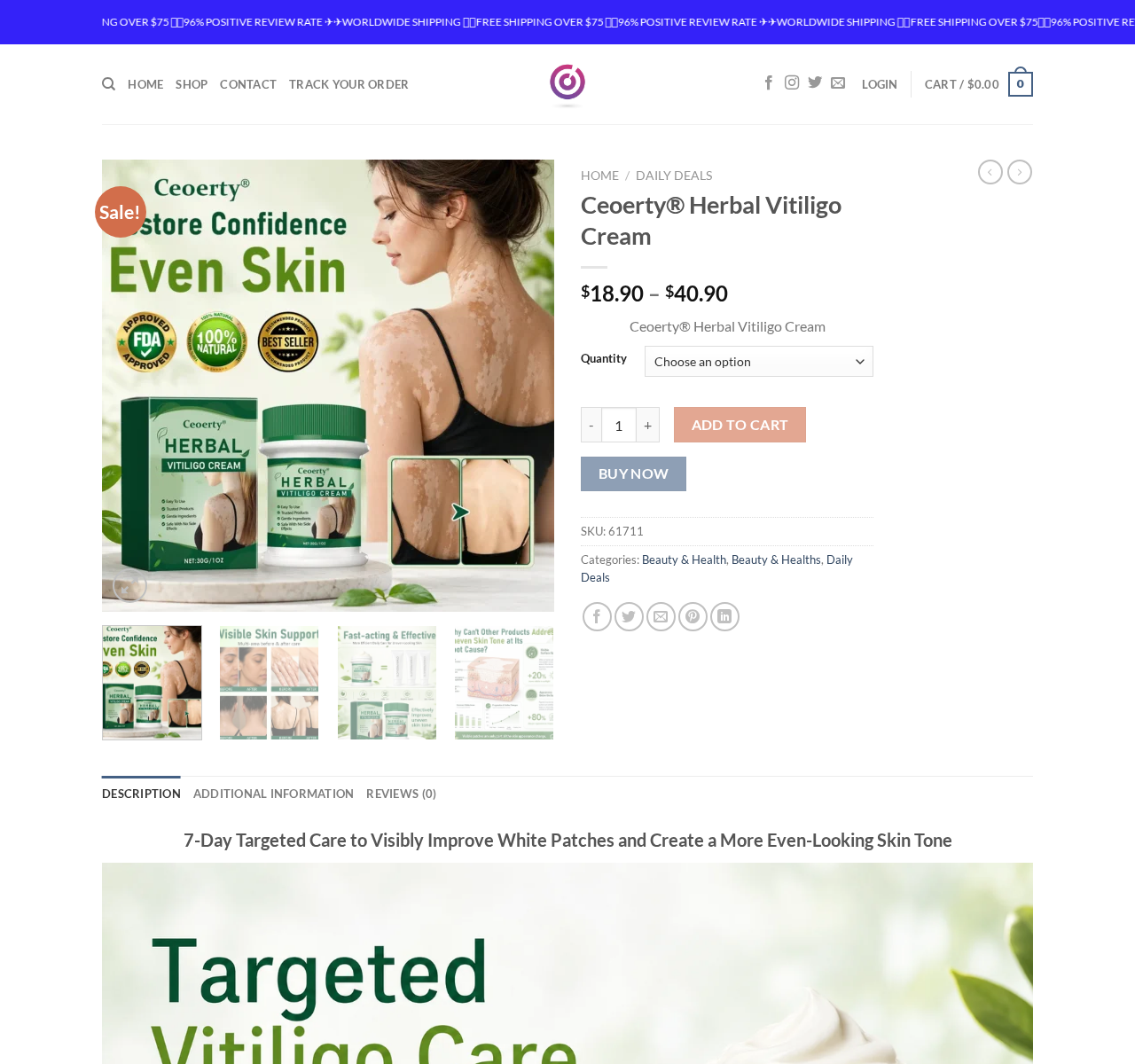
Ceoerty Herbal Vitiligo Cream is listed at ceoerty.com in one-, two-, and four-piece packages. The displayed price range runs from $18.90 to $40.90.
The product page describes botanical moisture, conditioning, smoother texture, and less noticeable contrast around white patches. It repeatedly invokes vitiligo and a targeted seven-day routine.
This is a topical cream, not an oral supplement or prescription medicine identified by an established active drug ingredient. Those distinctions matter when evaluating what it could reasonably do.
Cosmetic improvement is not the same as restoring pigment
Hydrated skin can look and feel different from dry skin. That change does not, by itself, show that a product has restored pigment lost through vitiligo.
The examined page provides no published trial demonstrating repigmentation from the finished Ceoerty formula. Its performance claims are not accompanied by a usable study report.
Some testimonials expressly describe remaining color differences. That is important context, because a reader should not turn softer-looking borders into a demonstrated medical recovery.
- The listing promotes a seven-day targeted-care routine.
- Its botanical list includes licorice under two names.
- Percentages appear without a disclosed testing method.
- Separate review controls show no submitted reviews.
- Public support information points to another brand’s domain.
The evidence supports a firm buying warning, not invented laboratory findings
Do not buy this cream expecting it to reverse vitiligo. The medical-sounding presentation does not supply the clinical evidence needed to justify that expectation.
We did not test a purchased tube, analyze its contents, or establish contamination. Nor does the available evidence justify calling every botanical moisturizer fraudulent.
The concern is this specific offer’s evidence gap, presentation, seller traceability, and inconsistent customer information. Those are substantial issues without adding unsupported allegations.
What the Ceoerty Page Actually Claims
The headline emphasizes visible improvement of white patches within a seven-day care routine. The text then concentrates on hydration, surface texture, and a more balanced-looking appearance.
Those descriptions are not interchangeable with repigmentation. A cream could improve dryness while leaving the underlying loss of skin color unchanged.
The timeline starts with absorption after thirty minutes, then describes hydration after twelve hours, early appearance changes after one week, and a more balanced look after two weeks.
No disclosed protocol explains who was assessed, how changes were measured, or how lighting and other skincare were controlled. A timeline graphic is not that missing research.
The page also gives 97%, 92%, and 96% consumer-testing figures. It does not provide the participant count, questionnaire, investigator, or report needed to evaluate those numbers.
Even a genuine satisfaction survey would answer a different question from a controlled clinical trial. Enjoying texture or comfort would not demonstrate restored pigment.
The main product artwork also displays an FDA-approved badge. The examined offer supplies no approval identifier or supporting FDA record for that apparent regulatory reassurance.
An approval-style seal is not clinical evidence, and a cosmetic-looking label does not establish treatment authorization. Ask for the actual regulatory basis rather than accepting the artwork.
An unattributed clinical-perspective quotation supplies another layer of authority. It is not accompanied by a named clinician whose involvement could be checked independently.
That does not prove a particular quotation was fabricated. It means the reader has no identifiable expert to evaluate behind the apparent clinical reassurance.
How the Ceoerty Sales Presentation Works
Step 1: A medical condition creates interest in targeted care
The product name addresses people concerned about vitiligo, uneven pigmentation, or conspicuous white patches. That is a more sensitive promise than ordinary general-purpose skincare.
The page describes social discomfort around visible areas, including the face, neck, and hands. Those concerns can make a simple home routine particularly appealing.
Wanting relief from these concerns is entirely understandable. The important boundary is whether the seller provides evidence matching the condition and outcome being discussed.
Do not let a condition-specific name imply that the product has undergone condition-specific clinical testing. The latter requires an actual study of the formula.
Step 2: A short routine makes improvement sound predictable
The seven-day framing gives the offer a manageable time horizon. Smaller milestones then describe what a buyer might notice during the first hours and weeks.
However, the milestones concern different things, including absorption, comfort, and visible contrast. Combining them can make an ordinary moisturizing effect sound like progress against vitiligo itself.
Ask what is actually being measured at each point. A softer patch is not a measurement of renewed melanin, and a flattering photograph cannot supply that distinction.
The page’s own wording leaves much of the promise cosmetic. Readers should preserve that qualification rather than treating the routine as a proven rapid treatment.
Step 3: Botanical names supply a more technical explanation
The listing promotes seven botanical ingredients: aloe vera, tea tree oil, neem, licorice, turmeric, ginkgo biloba, and Glycyrrhiza glabra.
Glycyrrhiza glabra is another name for licorice. Presenting the common and botanical names separately does not establish two independently effective plant ingredients.
The page does not disclose a complete formula with ingredient concentrations. Without that information, shoppers cannot assess the actual dose of a highlighted extract.
Nor does a botanical list establish how the finished mixture behaves on affected skin. Evidence concerning an ingredient, preparation, or different route cannot automatically validate this cream.
Step 4: Testimonials and percentages create apparent reassurance
The page carries customer-style stories alongside a separate review section showing no reviews. Those are different content areas, not a verified collection of purchase records.
An edited testimonial can appear in sales copy even when a review widget is empty. The discrepancy deserves explanation, but does not independently prove that every named person is invented.
Similarly, a large claimed customer count needs a defined basis. The listing does not provide records showing that more than 150,000 people bought this particular formula.
The useful question is what evidence supports the specific claim. Stars, reassuring language, and precise-looking percentages do not provide that evidence on their own.
Step 5: Package selection becomes a decision about seller accountability
The product selector offers one, two, or four pieces. Check the actual selected quantity, full price, shipping, and seller before treating the lowest displayed amount as your total.
The page advertises a thirty-day return policy, but says customers cover return postage. Elsewhere, the homepage promotes free returns to a UK returns center.
Those statements need reconciliation before purchase. A buyer should not discover only after opening a tube that a different return rule or destination is being applied.
No purchase was placed, and automatic recurring billing was not established. The documented concern is the clarity of the order and return conditions, not a proven refill trap.
Company, Address, and Product-Traceability Checks
The storefront does not establish a verified manufacturer
The product page mentions Ceoerty Ltd. and a claimed history beginning in 2016. The About page separately describes an eight-year-old shopping company without a verifiable corporate record.
The ceoerty.com registration record starts on January 31, 2025. A domain date does not prove when a business began, but it does not corroborate the older history either.
No authenticated manufacturer identity was established from the examined material. A retailer’s trading name is not a substitute for the company responsible for producing a cream.
Before applying an unfamiliar product to a medical condition, obtain the actual container label and responsible business details. A sales-page brand alone leaves that chain unresolved.
A promised UK returns center is not a disclosed business headquarters
The homepage describes a UK returns center and US dispatch. The product page’s return text does not provide a full postal destination that can be independently checked.
We therefore cannot identify a specific warehouse, registered office, or factory. Claiming that an undisclosed address belongs to an unrelated company would go beyond the evidence.
The practical issue is straightforward: the shopper cannot estimate return logistics from the material examined. Ask for the destination and eligibility rules in writing before ordering.
Also clarify whether an opened skincare product can be returned. A broad money-back badge should not be treated as an answer to that specific question.
The support address uses the Colento domain
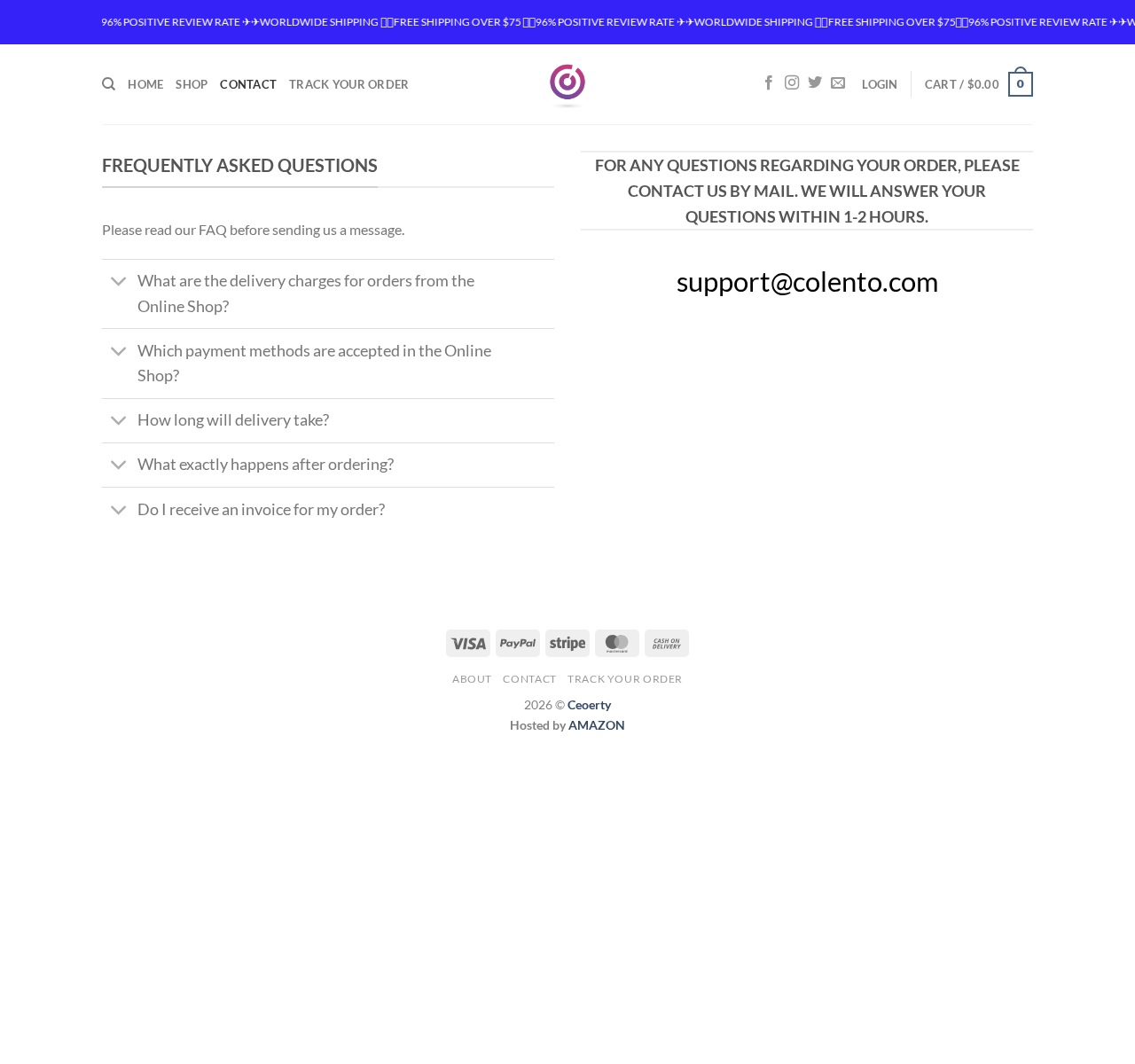
The contact page’s published email decodes to support@colento.com rather than a Ceoerty-domain address. That mismatch is a concrete finding requiring an explanation.
Shared customer service can have a legitimate reason, but the relationship should be disclosed. We have not established common ownership or confirmed that the inbox handles Ceoerty orders.
The same page promises a reply within one or two hours, yet its delivery and payment FAQs contain placeholder text. That is poor operational information for buyers.
No message was sent to test the promise. It would be inaccurate to report that staff ignored us or that the address is nonfunctional.
The actual formulation needs more than botanical marketing
The examined listing does not establish a complete ingredient label, batch traceability, manufacturing facility, or independent testing for the finished product.
Those gaps matter for sensitive skin as well as medical expectations. A named botanical can still irritate skin, and undisclosed amounts make the complete mixture harder to assess.
There is no evidence here establishing Chinese manufacture, an undeclared drug, or contamination. Those would require sourcing records or appropriate testing, not an assumption about inexpensive online products.
Until the formulation and responsible manufacturer are clear, do not treat the cream’s gentle-language claims as a safety assessment tailored to you.
What Genuine Vitiligo Care Can Establish
White patches can have more than one cause, so obtaining the right diagnosis matters before choosing treatment. A product photograph cannot diagnose your skin.
The American Academy of Dermatology describes individualized treatment options and explains that diagnosis distinguishes vitiligo from other causes of lighter patches.
Medical treatment, where wanted, is not the only choice. Some people prefer camouflage or no repigmentation treatment, and that decision should not be framed as a personal failure.
What matters here is informed choice. Moisturizing for comfort, using cosmetic coverage, and seeking medical repigmentation are different goals requiring different expectations.
Do not abandon prescribed care because a sales page proposes a faster botanical route. Ask your dermatologist whether an additional product is appropriate for your skin and current treatment.
The NCCIH tea tree oil guidance notes the potential for skin redness or irritation. Familiar natural ingredients do not remove the need for caution.
What to Do If You Ordered Ceoerty Cream
-
Preserve the exact claims and order details.
Save the product page, selected quantity, price, payment descriptor, and guarantee wording. Keep any advertisement separately if it made stronger promises than the current product listing.
A record of the original representation helps distinguish an unwanted purchase from a product sold using a specific unsupported medical expectation.
-
Ask for a complete label before using it.
Request ingredient information, the responsible manufacturer, batch details, and any applicable warnings. Photograph the actual container and compare it with the listing when it arrives.
Do not assume the supplied tube is identical merely because its name matches. Differences in labeling or ingredients should be resolved before application.
-
Seek appropriate medical advice for the skin concern.
Bring the product and label to a dermatologist or other suitable clinician. Explain what you hoped it would change and whether you already use prescription skincare.
Stop using it if irritation develops and obtain medical advice when needed. Severe or rapidly worsening symptoms deserve prompt care rather than a support-ticket exchange.
-
Request written return terms and resolve the contradiction.
Ask whether the product-page postage requirement or homepage free-return statement applies to your order. Obtain the correct return destination and any authorization before sending the product.
Keep the request within the advertised thirty-day window. Do not rely on a verbal promise that leaves the timing and eligibility unclear.
-
Use the payment provider if a concrete dispute remains unresolved.
Explain non-delivery, a material product mismatch, or an unfulfilled refund as accurately as possible. Supply the receipt, original claim, and support correspondence.
Do not label an authorized purchase as card theft. Your provider can explain the relevant dispute route and deadlines for the issue that actually occurred.
-
Report adverse reactions or misleading representations through appropriate channels.
In the US, FDA MedWatch provides information about reporting relevant product problems. Keep the package and lot information if available.
Avoid paid refund agents promising guaranteed recovery. A problem with one seller should not become a reason to disclose more identity or payment information elsewhere.
Frequently Asked Questions
Does Ceoerty Herbal Vitiligo Cream restore lost pigment?
The examined offer does not provide clinical evidence showing that its finished cream restores pigment. Its hydration and appearance descriptions should not be converted into proof of repigmentation.
Are seven separate botanicals clearly identified?
The list presents licorice and Glycyrrhiza glabra separately, although they refer to the same plant. It also omits ingredient concentrations needed to assess the complete formulation.
Are the customer percentages backed by a published study?
The page gives consumer-testing figures without the methods, participant count, or underlying report. They cannot establish a measured medical benefit or replace clinical evidence.
Why does Ceoerty publish a Colento support address?
Its contact page exposes support@colento.com, but the examined pages do not establish the relationship. Shared support is possible; a verified explanation and order-specific confirmation are still needed.
Is this cream a proven subscription trap?
No recurring charge was established in this investigation. Check your own confirmation for any additional agreement, but do not assume that choosing a larger package automatically creates a subscription.
Is the product a confirmed counterfeit or contaminated cream?
No purchased unit or laboratory analysis was available to support those allegations. The documented warning concerns unsupported expectations, incomplete formulation information, and unresolved seller and returns details.
The Bottom Line
Do not buy Ceoerty Herbal Vitiligo Cream expecting it to reverse vitiligo. Its targeted-care language, short timeline, and consumer percentages do not establish that medical outcome.
If you already ordered, obtain the complete label and written return instructions. Keep medical decisions with a qualified clinician and address any purchase dispute within your payment provider’s deadlines.

Reviews & discussion
0 commentsShare a firsthand experience, or ask a question.
Community reviews
Ceoerty Herbal Vitiligo Cream
Moderated reader experiences, not an editorial verdict.
Start the conversation
Have a question or something useful to share? Add the first comment.