

eBay is a well-known online marketplace that connects buyers and sellers from all around the world. With millions of active users, eBay offers a wide range of products, from electronics to clothing, collectibles to home goods. However, like any other software or application, eBay may not be suitable for everyone. In this article, we will explore what eBay Worldwide is, its features, and whether or not you should consider removing it from your device.
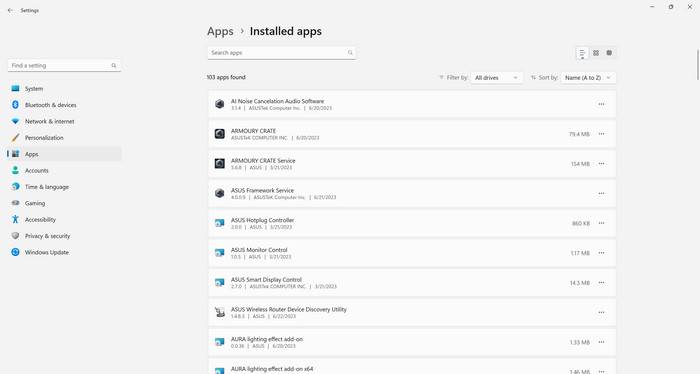
What is eBay Worldwide?
eBay Worldwide is the global version of eBay, allowing users to buy and sell products internationally. It provides access to a vast selection of items from sellers located in different countries. With eBay Worldwide, you can browse and purchase products from sellers worldwide, expanding your options beyond your local market.
One of the key features of eBay Worldwide is the ability to search for items in specific countries or regions. This feature is particularly useful if you are looking for unique or hard-to-find items that may not be available in your local market. Additionally, eBay Worldwide offers various shipping options, allowing sellers to ship products internationally, making it convenient for buyers who want to purchase items from different parts of the world.
Should I Remove eBay Worldwide?
Whether or not you should remove eBay Worldwide depends on your personal preferences and needs. Here are a few factors to consider:
1. International Shopping
If you frequently shop for products from different countries or regions, eBay Worldwide can be a valuable tool. It provides access to a wide range of international sellers and products that may not be available in your local market. Removing eBay Worldwide may limit your options and make it more challenging to find specific items.
2. Language and Currency
eBay Worldwide supports multiple languages and currencies, making it easier for users to navigate and make purchases. If you are comfortable with using eBay in different languages and dealing with various currencies, keeping eBay Worldwide can be beneficial. However, if you prefer to shop in your local language and currency, removing eBay Worldwide may simplify your shopping experience.
3. Shipping and Import Fees
When purchasing items from international sellers, it’s essential to consider shipping costs and potential import fees. eBay Worldwide provides information on shipping options and estimated delivery times, allowing you to make informed decisions. However, if you prefer to shop locally to avoid additional fees or delays, removing eBay Worldwide may be a suitable option.
4. User Interface and Features
eBay Worldwide offers a user-friendly interface and various features to enhance the shopping experience. It provides advanced search options, seller ratings, and buyer protection programs. If you find these features valuable and enjoy using eBay Worldwide, there may be no need to remove it. However, if you prefer a simpler interface or find the additional features unnecessary, removing eBay Worldwide can declutter your device.
How to Remove eBay Worldwide?
If you have decided to remove eBay Worldwide from your device, there are several methods you can use:
1. Uninstalling the App
To remove eBay Worldwide from your mobile device, you can uninstall the app. The process may vary depending on your device’s operating system:
- For Android devices, go to Settings > Apps > eBay > Uninstall.
- For iOS devices, press and hold the eBay app icon until it starts shaking, then tap the “x” button to delete it.
Keep in mind that uninstalling the app will remove all data associated with eBay Worldwide from your device.
2. Using Uninstall Tools
If you want to ensure a complete removal of eBay Worldwide, you can use uninstall tools like Revo Uninstaller. Revo Uninstaller Free is a reliable tool that can help you uninstall applications and remove any leftover files or registry entries. Here’s how you can use Revo Uninstaller Free:
- Download and install Revo Uninstaller Free from https://malwaretips.com/blogs/get-revo-uninstaller/.
- Launch Revo Uninstaller Free and select eBay Worldwide from the list of installed applications.
- Click on the “Uninstall” button and follow the on-screen instructions to remove eBay Worldwide.
- Revo Uninstaller Free will scan for leftover files and registry entries. Select all the detected items and click on the “Delete” button to remove them.
Using an uninstall tool like Revo Uninstaller Free can help ensure a thorough removal of eBay Worldwide from your device.
Conclusion
eBay Worldwide is a global marketplace that offers access to a wide range of products from international sellers. Whether or not you should remove eBay Worldwide depends on your personal preferences and needs. If you frequently shop internationally, enjoy the additional features, and are comfortable with different languages and currencies, keeping eBay Worldwide can be beneficial. However, if you prefer a simpler shopping experience or want to avoid potential fees and delays, removing eBay Worldwide may be a suitable option. If you decide to remove eBay Worldwide, using uninstall tools like Revo Uninstaller Free can help ensure a complete removal. Ultimately, the choice to keep or remove eBay Worldwide is yours, based on what aligns best with your shopping habits and preferences.








