

If you found Puzawin.com through an ad or social post and want to know whether it is safe before sending crypto, you are asking the right question at the right time. Many visitors reach this page after seeing bold promises about instant rewards and large signup bonuses. Before you register or connect a wallet, it helps to understand what the available evidence shows and how this site compares to known patterns in the fake crypto casino space.

Scam Overview
Puzawin.com presents itself as a crypto casino with large payout totals and instant earnings. The site claims to have paid out $32.5 billion and offers signup bonuses up to $10,000. These figures appear on the homepage alongside images of professional athletes and unverified official partner logos. The visual layout mimics established gambling platforms, yet the footer lacks standard regulatory licensing information and verifiable contact details.
The domain age stands in direct contrast to any claim of operating since 2017. A nine-day registration period makes it impossible for the site to have a long operating history. The combination of recent registration, high-pressure bonus banners, and missing licensing details places Puzawin.com inside the typical profile of disposable crypto casino operations that rotate domains when complaints increase.
Security vendors have already flagged the domain. The VirusTotal analysis shows eleven malicious detections and one suspicious result out of 92 engines. BitDefender and Fortinet both labeled the page as phishing. These signals line up with the broader pattern of fake crypto gambling sites that use aggressive marketing to collect deposits before blocking withdrawals.
Red Flags Visible on the Site
Domain Age and Registrar History
The domain was created on June 29, 2026, making it nine days old at the time of the scan. The registrar, Fewmoretaps OU d/b/a Trustname.com, has been linked in threat intelligence sources to thousands of flagged phishing and scam domains. Short domain lifespans combined with this registrar profile often appear in disposable gambling operations.
Celebrity Endorsement Claims
Gridinsoft reports note that the site uses fake celebrity endorsements involving figures such as Elon Musk and Bill Gates. These endorsements appear without evidence and serve as a common lure in crypto casino promotions. No legitimate licensing body or public company record supports these claims.
Unrealistic Bonus and Payout Numbers
The homepage promotes a $10,000 signup bonus and states that $32.5 billion has already been paid to players. These numbers are presented without third-party proof or audited records. Legitimate platforms rarely advertise such figures without verifiable reporting.
Visual Marketing Pressure
The screenshot analysis shows prominent Free Reward and exclusive bonus banners that push immediate registration. Professional athlete images and official partner logos appear without verifiable context. A generic 24-hour support badge is displayed even though no functional chat or contact method is visible in the captured view.
Security Engine Flags
Eleven engines flagged the domain as malicious or phishing. The flagged engines include alphaMountain.ai, BitDefender, Chong Lua Dao, CRDF, CyRadar, Fortinet, G-Data, and Kaspersky. These detections add an independent layer of warning beyond visual inspection.
Missing Regulatory and Contact Information
The layout lacks visible regulatory licensing details and verifiable contact information in the footer area. No business registration record was found despite the claim of being a licensed crypto casino. This absence of accountability is a consistent trait in sites that later block withdrawals.


How The Scam Works
Stage 1: Aggressive Promotion
Visitors typically arrive through short-form social videos, YouTube ads, Facebook posts, Instagram reels, or Telegram channels. Some promotions include AI-generated celebrity clips or fabricated news interviews that feature well-known business figures. The goal is to create urgency around a limited-time bonus or exclusive reward.
Stage 2: Fast Registration and Instant Balance
Registration is quick and requires minimal information. Once signed up, the site shows a large bonus balance or instant earnings credited in seconds. The visual presentation creates the impression that winnings are already available and ready to withdraw.
Stage 3: Crypto-Only Deposit Pressure
After the fake balance appears, the site emphasizes that players must deposit cryptocurrency to unlock full features or to begin real play. The language frames the deposit as a small step needed to release larger rewards. No traditional payment methods are offered.
Stage 4: Simulated Wins and Withdrawal Attempt
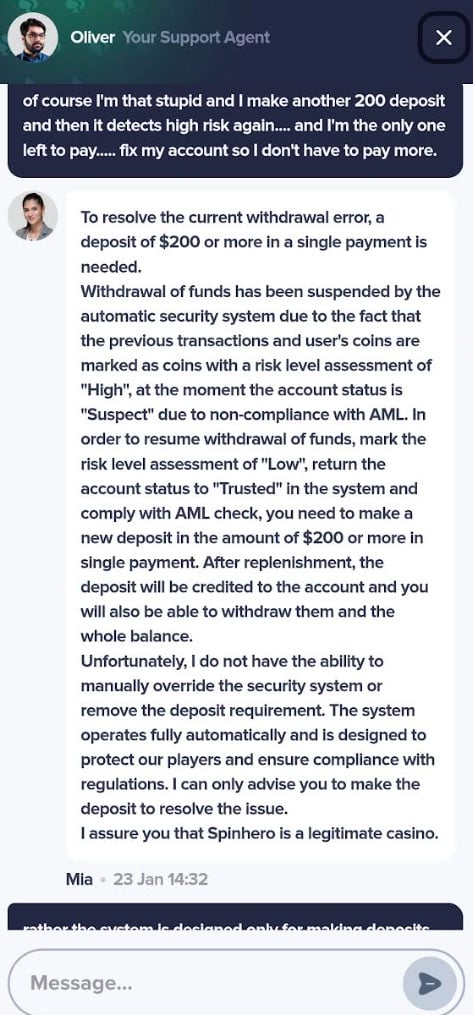
Users may see simulated wins or increasing balances during play. When a withdrawal is requested, the site introduces new conditions. These conditions often include identity verification, tax payments, AML unlock fees, wallet activation fees, or a required second deposit before funds can be released.
Stage 5: Moving Goalposts and Support Delays
Each new requirement is presented as the final step. When the user completes one step, another appears. Support responses become slower or stop entirely. Eventually the account may be locked or the site may redirect users to a new domain with the same branding.
Stage 6: Domain Replacement
When complaints accumulate, the operators register a new domain and repeat the same marketing and bonus script. The visual design and withdrawal wall remain consistent even though the web address changes. This rotation helps the scam avoid accumulated negative reviews on any single domain.


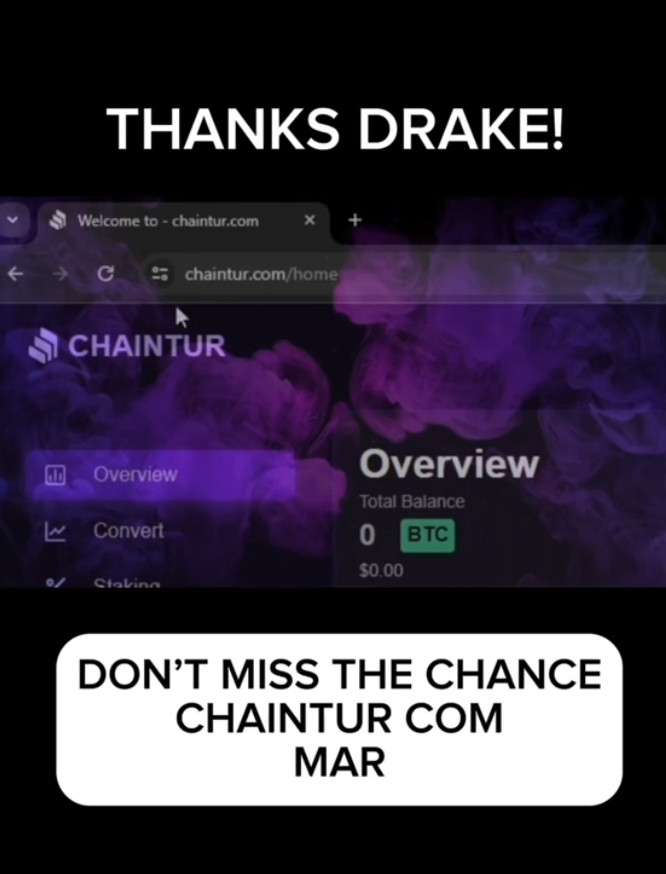
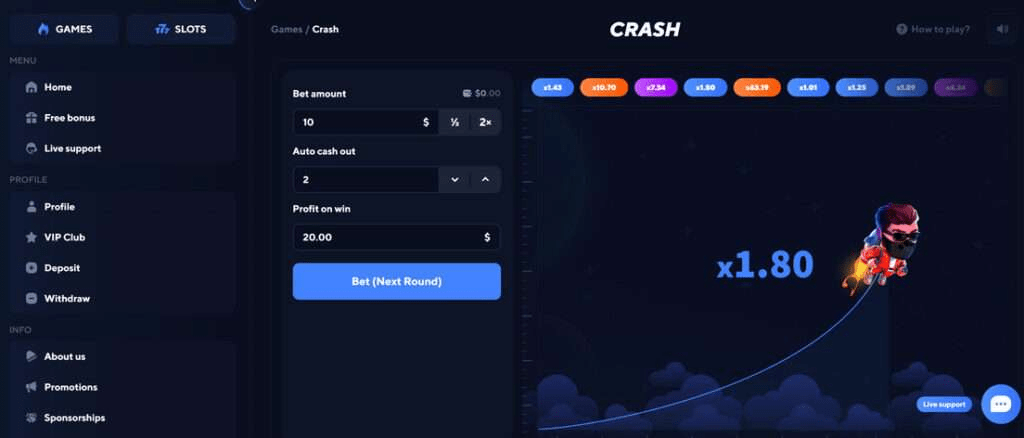
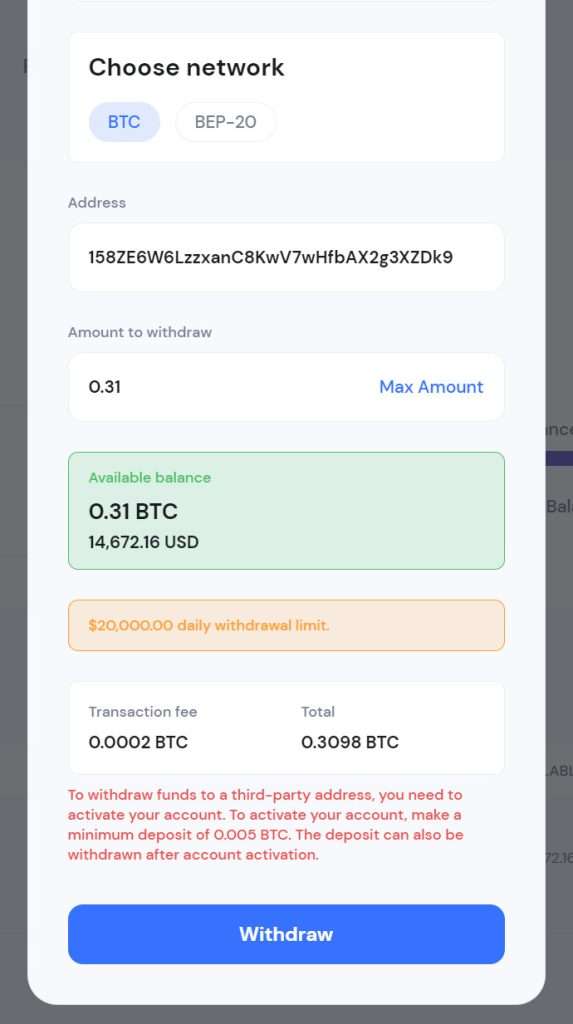
Same Scam Playbook, Different Domains
Fake crypto casino operations rely on disposable domains because consumer complaints and security listings build up over time. The branding, bonus language, fake endorsement angle, and dashboard layout stay nearly identical while the domain name changes. Readers can spot the pattern by comparing new casino sites against the same set of red flags: recent domain registration, unrealistic payout claims, missing licensing, and withdrawal conditions that require additional deposits.
The registrar Fewmoretaps OU d/b/a Trustname.com appears repeatedly in threat reports connected to similar operations. When a new domain surfaces with the same promotional style and the same registrar, it is reasonable to treat it with the same level of caution. Checking domain age and running the name through security scanners before depositing reduces the chance of falling into the next rotation of the same scam family.
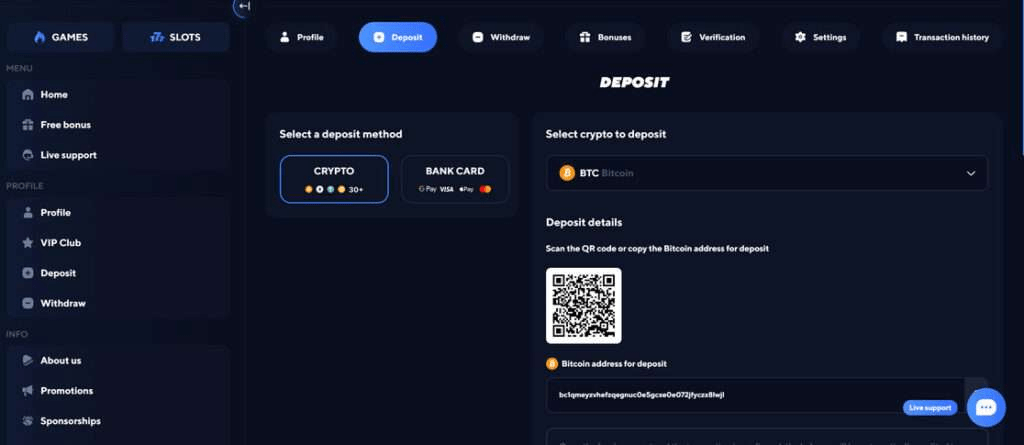
The Withdrawal Wall Test
A practical test for any crypto casino is to examine the withdrawal conditions before depositing. Legitimate platforms do not require players to send additional cryptocurrency to release alleged winnings. If the site demands a verification deposit, tax payment, AML unlock fee, or wallet activation fee before allowing a withdrawal, that is a central warning sign.
Another useful question is whether the site provides clear, verifiable licensing information and a working support channel that can be reached before any money is sent. If these elements are absent or vague, the risk of encountering a withdrawal wall increases. The simplest credibility check is to ask whether the platform has an independent reputation for paying winners without extra fees. In the case of Puzawin.com, Gridinsoft reports already document blocked withdrawals and additional deposit demands.
What To Do If You Have Fallen Victim to This Scam
If You Have Already Deposited Crypto
Document every transaction with wallet addresses, transaction IDs, timestamps, and screenshots of the site. Contact your crypto exchange or wallet provider immediately and report the transaction as potential fraud. Some providers can flag or attempt to trace the funds even if recovery is not guaranteed.
If You Shared Personal Information
Monitor your email and accounts for unusual activity. Enable two-factor authentication on any related services. Consider placing fraud alerts with credit bureaus if identity documents were uploaded. Keep records of all communications with the site.
If the Site Has Locked Your Account
Save any remaining evidence from the dashboard before access is lost. Note the exact wording used when withdrawal requests were denied. This information can help support teams at your wallet provider or law enforcement if you choose to file a report.
Reporting the Site
Submit the domain to security vendors and complaint platforms that track crypto fraud. Reporting helps future visitors see the same warnings that appeared in the current scan. Include the VirusTotal permalink and any Gridinsoft reports when possible.
Seeking Professional Help
If the amount lost is significant, consult a licensed financial advisor or attorney who understands cryptocurrency transactions. Avoid recovery services that demand upfront fees, as these can create additional losses. Focus first on preserving evidence and notifying your payment providers.
The Bottom Line
Puzawin.com shows the classic markers of a disposable fake crypto casino: a nine-day-old domain, multiple security flags, exaggerated bonuses, fake endorsements, and reports of blocked withdrawals. The evidence supports avoiding any deposit. If you already sent funds, act quickly to document the transaction and notify your wallet provider. Staying alert to the same pattern on future domains can help protect you from the next version of this scam.
Frequently Asked Questions
Is Puzawin.com a legitimate crypto casino?
No. The domain is only nine days old, eleven security engines flagged it, and reports describe fake endorsements along with withdrawal blocks that require more deposits.
Can I withdraw money from Puzawin.com?
Gridinsoft reports indicate that withdrawals are blocked unless additional deposits are made. This condition is a common feature of fake crypto casino operations.
Why does Puzawin.com show such large payout numbers?
The site displays fabricated statistics such as $32.5 billion paid to players. These numbers have no independent verification and are used to build false credibility.
What should I do if I already deposited?
Document all transactions and contact your wallet or exchange provider right away. Report the domain to security platforms and avoid any further deposits or fees requested by the site.
Are the celebrity endorsements on Puzawin.com real?
Reports identify the endorsements as fake. No verified statements or licensing records support claims involving well-known figures such as Elon Musk or Bill Gates.
How can I spot similar scams in the future?
Check domain age, review security engine results, and confirm that withdrawal rules do not require extra deposits. Look for verifiable licensing and working support channels before sending any crypto.
Does reporting the site actually help?
Yes. Submitting the domain to security vendors increases the chance that future visitors will see warnings before they deposit. Include links to existing scan reports when you file complaints.








