

Many people searching for a new place to play online with cryptocurrency come across Juznex.com. The site promises generous welcome rewards and instant play in a sleek interface.
Before sending any digital coins, it helps to understand how this type of platform operates and what signs suggest it may not be trustworthy.
Scam Overview
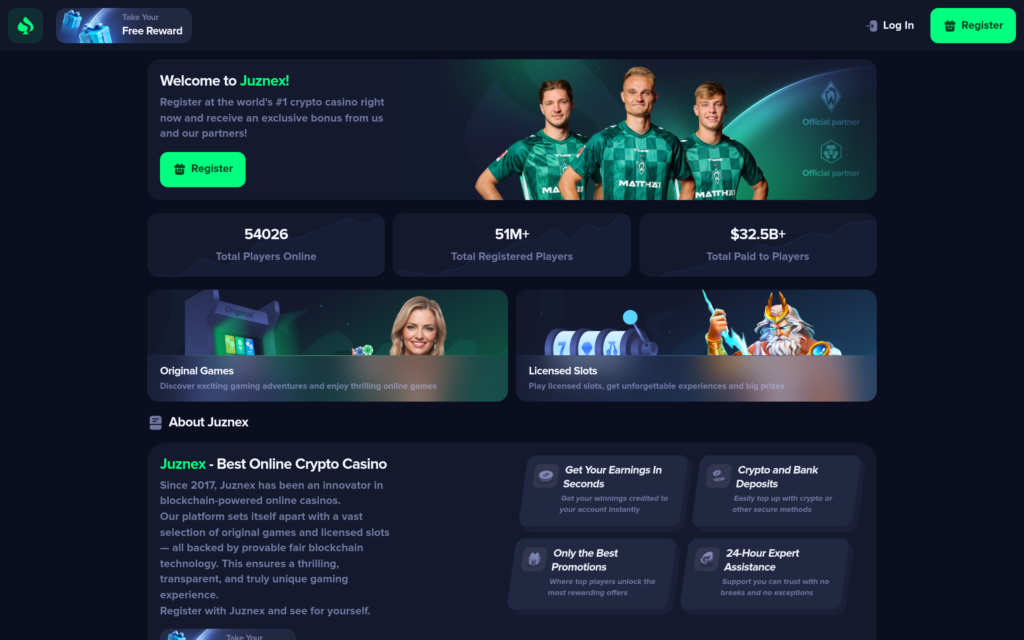
Juznex.com positions itself as a leading destination for crypto gambling. The homepage highlights large signup bonuses, fast-play options, and claims of massive total payouts to players.
Visitors are encouraged to register quickly, receive a bonus balance, and begin playing. The presentation includes partnership logos and large payout statistics that aim to build immediate confidence.
What the site wants visitors to believe
- It offers exclusive bonuses and free rewards for new players.
- Partnerships with major sports teams and crypto brands prove long-term reliability.
- Withdrawals are straightforward once a player meets simple conditions.
- The platform has paid billions to users and maintains transparent operations.
These claims fit a familiar pattern where new gambling domains use exaggerated numbers and borrowed branding to appear established.
Red Flags Visible on the Site
Several surface details stand out when examining Juznex.com. The domain was registered only two days before the checks were performed, leaving no time for an established track record.
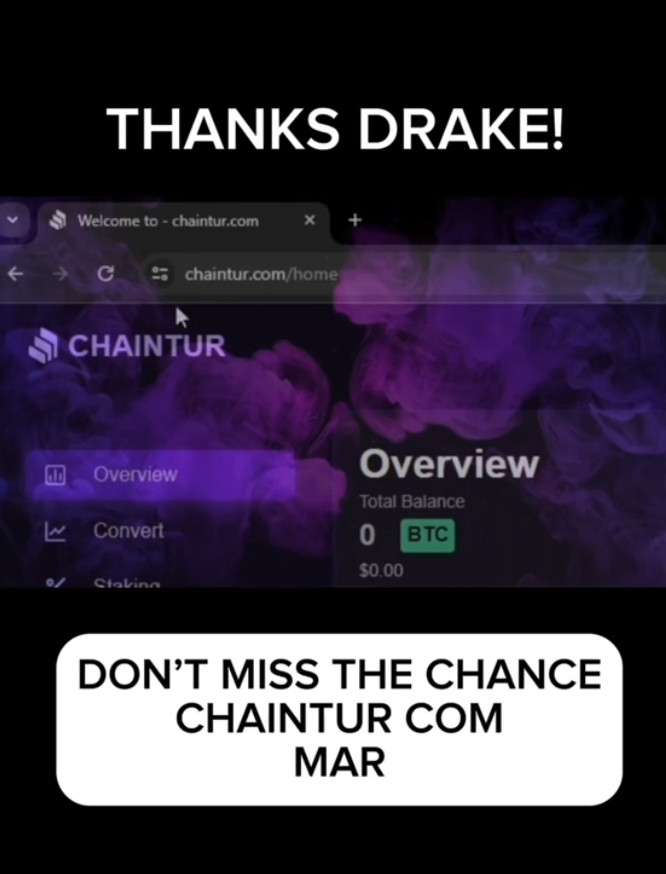
The site shows images of well-known public figures in the loading sequence and claims massive payout totals without any proof of those figures.
Common trust problems visitors notice
- No visible regulatory licensing or company registration details in the footer or legal pages.
- Partnership logos appear without any verification links or official statements from the claimed partners.
- Bonus offers and payout statistics are presented as fact but lack independent confirmation.
- Contact options are limited and do not include verifiable business addresses or phone numbers.
Celebrity endorsement tactics
Images of prominent figures appear during page loading. This approach creates an impression that these individuals support or use the platform. No credible evidence connects any of these figures to the service.
When a gambling site relies on borrowed images rather than clear licensing and company records, it becomes difficult to view the operation as legitimate.


How The Scam Works
The typical flow on sites like Juznex.com follows a repeatable script designed to move users from curiosity to deposit and then to repeated payment demands.
Step 1: Aggressive promotion
Short videos on social platforms and targeted ads direct people to the site. The messaging focuses on large bonuses and simple crypto deposits.
Step 2: Quick registration and bonus balance
Users create an account in seconds. A displayed balance or bonus appears immediately, giving the sense that play has already started with real value.
Step 3: Simulated wins and deposit pressure
Free credits or demo wins encourage the feeling of success. The site then highlights that real winnings require a deposit of cryptocurrency.
Step 4: Withdrawal attempt and new conditions
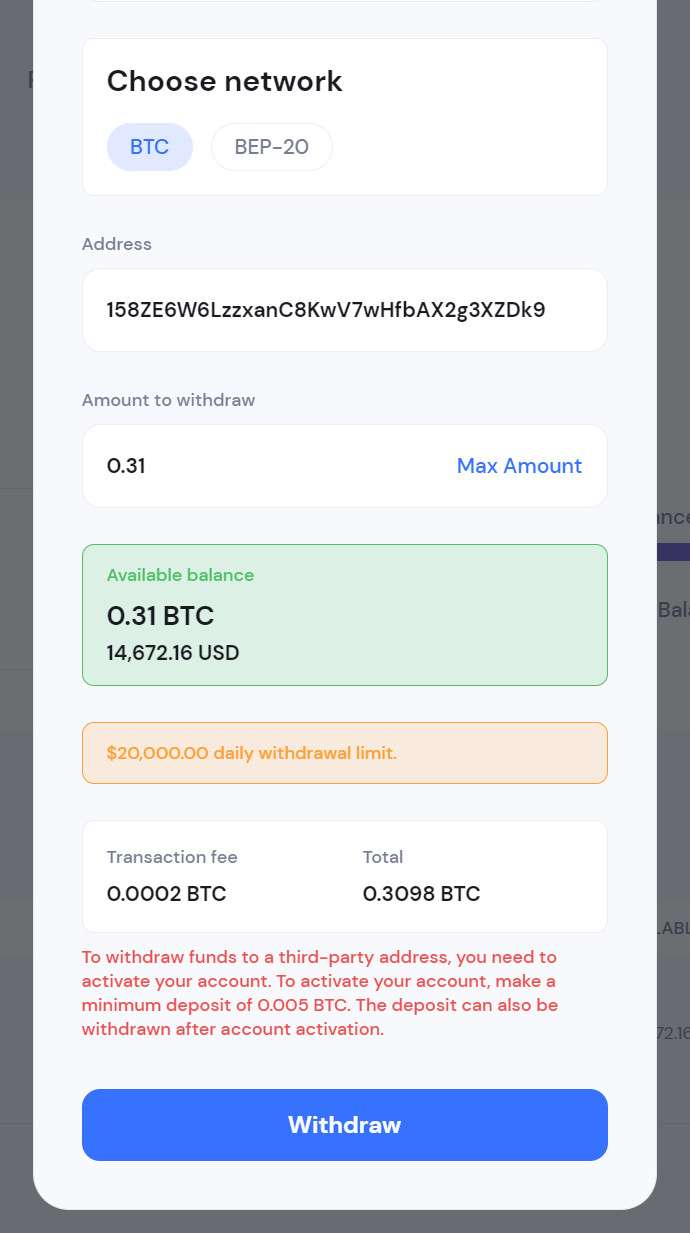
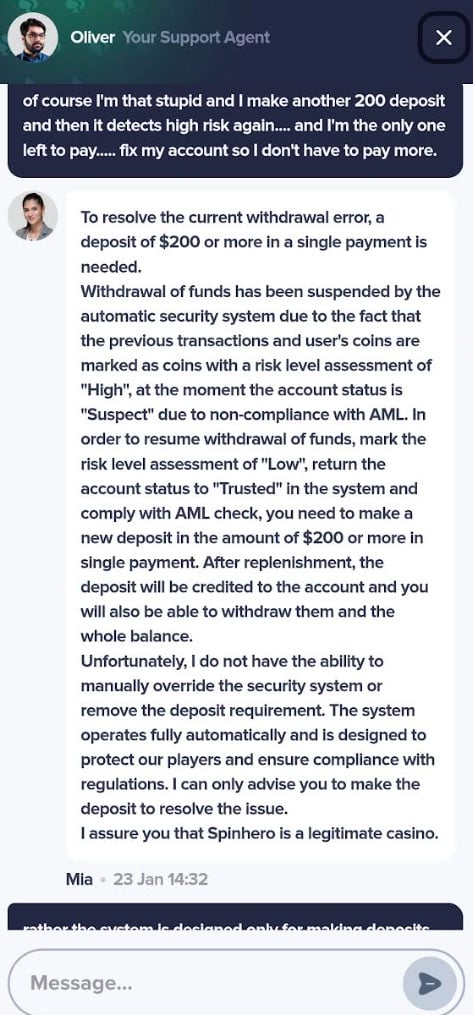
When a user tries to cash out, additional requirements appear. These may include verification deposits, tax payments, or wallet activation fees that were not mentioned earlier.
Step 5: Repeated requests and account pressure
Each new payment leads to more conditions. Support responses slow down or become generic. Eventually the user may lose access or be directed to deposit again.
This sequence relies on the emotional pull of winnings combined with moving goalposts that prevent any funds from leaving the platform.


Same Scam Playbook, Different Domains
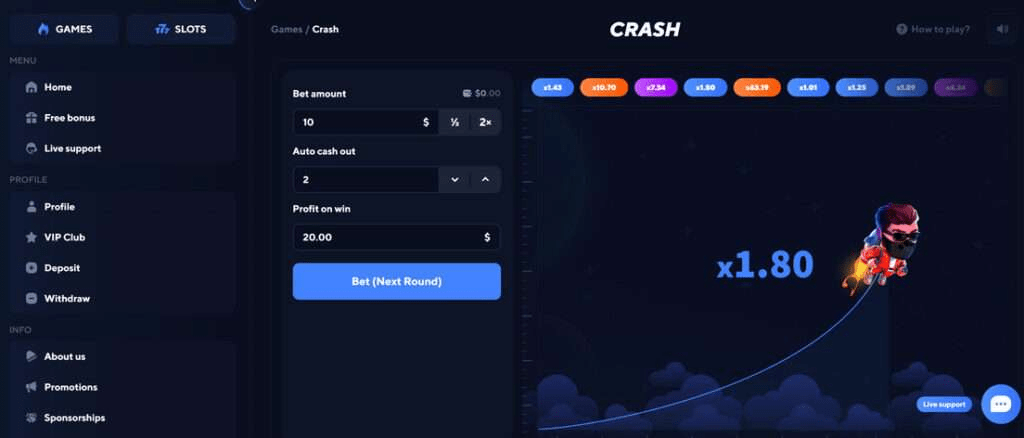
Scam operators behind fake crypto casinos rarely stay on one domain for long. When complaints build or security tools flag the address, they simply register a similar site under a new name.
The visual design, bonus language, withdrawal conditions, and even the images stay nearly identical. Only the domain changes.
Recognizing the pattern helps users avoid future versions. Look for the same combination of recent domain registration, missing licensing, and unverifiable payout claims on any new gambling site that reaches you through ads or social media.
The Withdrawal Wall Test
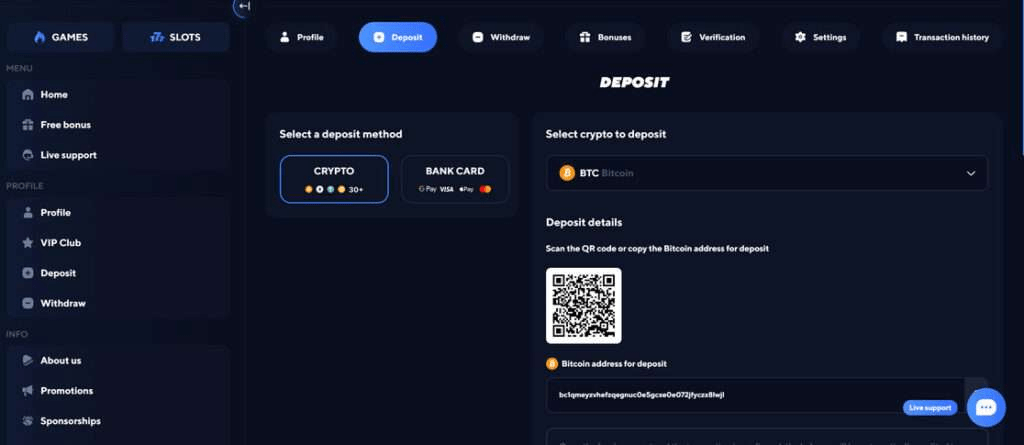
A simple test reveals whether a crypto casino is legitimate. If the site allows users to see large balances but requires additional deposits, fees, or verification payments before any money can leave, it demonstrates the withdrawal trap.
Warning phrases to watch
- Account activation fee or wallet unlock payment.
- Tax withholding or AML compliance deposit required first.
- Minimum deposit needed before release of winnings.
- New terms that appear only after a withdrawal request.
Legitimate platforms process withdrawals based on the original deposit and play activity. They do not demand more funds to release money that supposedly already belongs to the player.
The clearest credibility question is straightforward: would a real business need its customers to send extra cryptocurrency before returning their own winnings?
What To Do If You Have Fallen Victim to This Scam
If you already sent cryptocurrency to Juznex.com or shared wallet information, act quickly to limit further exposure.
- Contact your exchange or wallet provider immediately and explain the situation. Ask about any available reversal or freeze options.
- Document every transaction ID, wallet address, and communication you received from the site.
- Stop sending additional funds or personal documents. Further payments will not unlock nonexistent winnings.
- Report the domain to the platform where you first saw the advertisement so others can be warned.
- Monitor your accounts for any unusual activity and consider changing passwords on related services.
Recovery is not guaranteed, but quick documentation and reporting improve the chances that authorities or service providers can act.
The Bottom Line
Juznex.com shows the typical signs of a disposable crypto casino that draws deposits with big promises and blocks withdrawals with changing conditions. The short domain history and lack of licensing make it difficult to recommend for any real play.
Protecting your funds starts with recognizing these patterns early. When a site cannot provide clear licensing and instead relies on borrowed images and exaggerated statistics, the safest decision is to close the tab and look elsewhere.
Technical signals reviewed
These are the main signals MalwareTips observed for Juznex.com at the time of our July 8, 2026 scan.
- Domain registration: July 6, 2026 (2 days old at scan time).
- Security vendors: 0 of 92 engines flagged the site.
- Screenshot findings: Claims to be the 'world's #1 crypto casino' without verifiable evidence.
- Risk signal: Domain registered only two days ago with no business registration or licensing disclosed.
Frequently Asked Questions
How old is the Juznex.com domain?
The domain was registered only two days before the most recent technical checks.
Does Juznex.com have a gambling license?
No verifiable licensing or company registration details appear on the site or in public records.
Why do the payout numbers seem unrealistic?
The site claims billions in total payouts without providing any independent proof or audit reports.
What happens if I try to withdraw?
Common reports describe new deposit or verification requirements that appear only after a withdrawal request is made.
Can I trust the celebrity images on the site?
Images of public figures are used without any evidence that these individuals endorse or use the platform.
What should I do if I already deposited?
Contact your wallet provider right away, stop further payments, and keep records of all transactions for possible reporting.








