

An email says your “Premium Multi-Device Protection” subscription renewed successfully. It lists an order number, claims that $238.88 was paid and tells you to call the Billing Team at 813-543-3317 if you have questions.
The invoice is fake. The unexpected charge exists only inside the message, and the telephone number does not connect you to a legitimate billing department. It connects you to scammers waiting for frightened recipients to call.
The billing notice using 813-543-3317 is a refund and technical-support scam. Do not call the number, reply to the email or open any attachment. The criminals may try to steal card details, persuade you to install remote-access software or trick you into returning a fake refund.
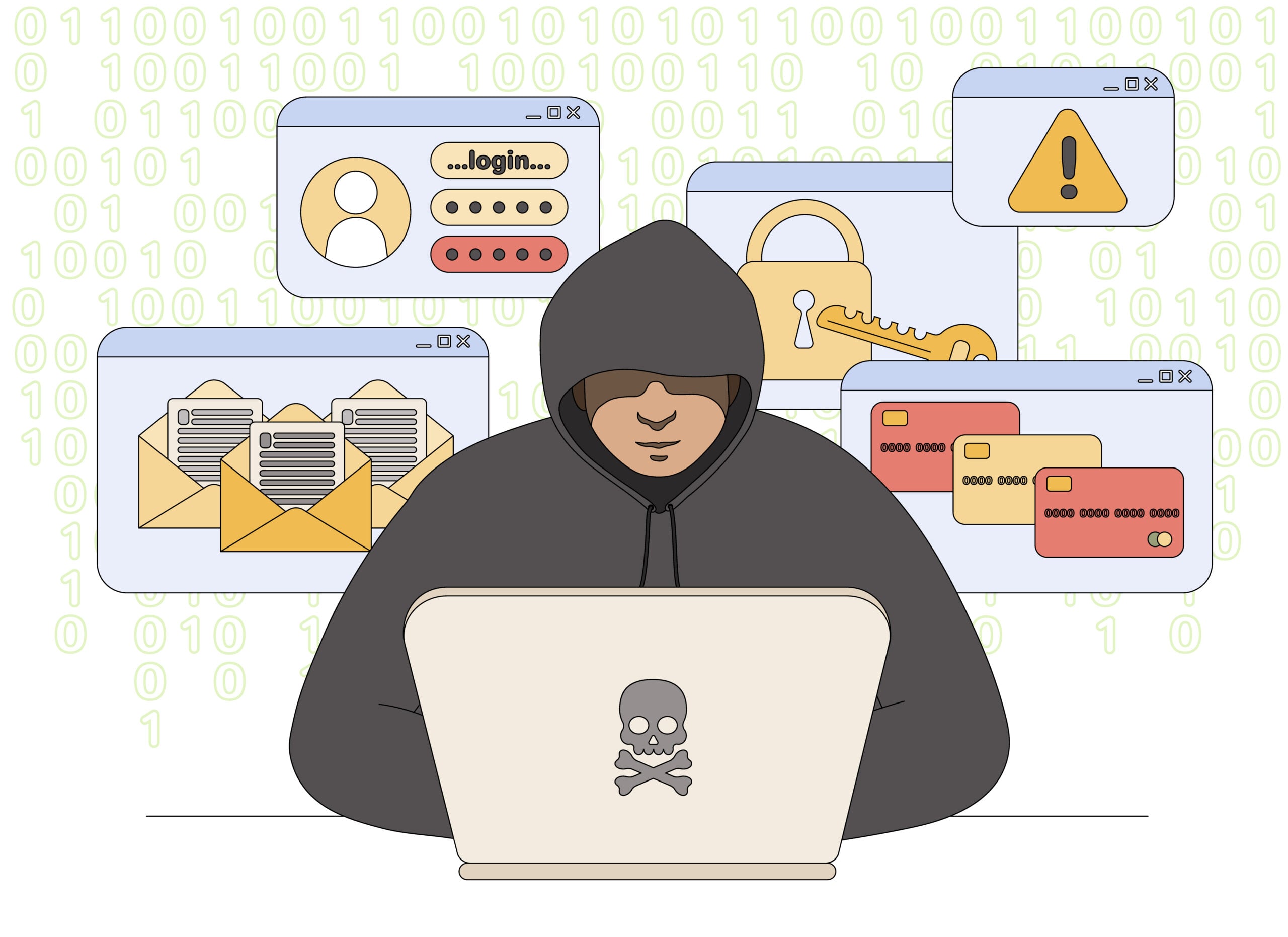
813-543-3317 Billing Team Scam Overview
The scam begins with an unsolicited invoice for antivirus, device protection, technical support or another subscription. The message may have a clean layout and a realistic order ID, but it often avoids naming a recognizable company.
One reported version states that a “Premium Multi-Device Protection” plan remains active and shows an amount of $238.88. It directs recipients to +1 (813) 543-3317 for questions about the transaction.
The email is designed to make you dispute a charge that never happened. By calling, you identify yourself as a worried target and enter a scripted conversation in which the fake billing agent controls every next step.
The phrase “Billing Team” is deliberately generic. It lets the same recording be sent to customers of phone companies, streaming services, utilities and banks without naming the account. When a recipient calls 813-543-3317, the person answering can adapt the story after asking which company the victim uses. That information makes the second half of the call sound more convincing, even though the caller did not know it beforehand.
A legitimate provider does not need you to identify the company before it can locate a real account, and it will not demand gift cards, cryptocurrency or a transfer to prevent an immediate suspension. Check for a matching notice inside the provider’s official app or website, then call the number printed on a statement. If no warning appears there, the voicemail should be treated as an attempt to collect payment details or personal information.
The fake invoice may include a transaction ID, renewal date and customer-service hours, but those details are generated for appearance and do not connect the charge to a real account. Search the official provider’s billing history for the same amount. If the transaction exists only in the unsolicited message, calling its number gives the scammer the opening the invoice was built to create.
How the 813-543-3317 Billing Scam Works
Step 1: A fake renewal invoice lands in your inbox
The email claims that a subscription renewed automatically. Common labels include premium protection, antivirus, firewall, technical support or multi-device security.
The sender may use a generic display name such as Billing Team, Accounts Department or Customer Support. The lack of a clear company name makes it easier to reach people who use different security products.
Step 2: A believable charge creates panic
The invoice displays an amount large enough to be upsetting but small enough to look plausible. In the reported email, the supposed charge is $238.88.
Scammers know that many people will call before checking their card or bank statement. The emotion is not only fear of losing money; it is also frustration at an unwanted renewal.
Step 3: The email makes 813-543-3317 look like support
The telephone number is placed beside phrases such as “Billing Team,” “questions regarding this transaction” or “cancel your subscription.” That formatting makes it appear to be an official customer-service line.
A telephone number printed on an invoice is not proof of ownership. Criminals can create professional-looking documents and route calls through internet phone services from almost anywhere.
Step 4: A fake agent confirms the imaginary purchase
When you call, the agent may ask for the order ID and pretend to locate the transaction. The scammer then says the renewal can be canceled and refunded if you complete a verification process.
This performance reinforces the false premise. Instead of asking whether the charge exists, the victim is encouraged to focus on how quickly it can be reversed.
Step 5: The scammer collects financial information
Some callers are asked for a full card number, expiration date, CVV, billing address or bank-account information. The agent may claim that the data is needed to identify the payment or issue a refund.
A legitimate merchant should already know how the alleged purchase was paid. Giving these details to the caller can lead to unauthorized charges and identity theft.
Step 6: Remote access turns the refund into account theft
In a common version, the agent says a secure cancellation form must be completed on a computer. You are instructed to install remote-control software or visit a website and provide a connection code.
Once connected, the scammer can view your screen, open websites, capture passwords and manipulate what appears in online banking. They may ask you to sign in to your bank while they watch.
Step 7: A fake overpayment creates a second emergency
The scammer alters the screen or moves money between the victim’s own accounts to make it appear that the refund was too large. For example, a promised $238.88 refund may appear as $2,388.80 or more.
The agent then acts distressed and says they will lose their job unless the extra money is returned immediately. The victim may be told to send a wire, gift cards, cash, cryptocurrency or a payment-app transfer.
Step 8: The criminal keeps the victim isolated
The caller may warn you not to contact the bank, close the remote session or tell anyone what happened. They can stay on the line while you buy gift cards or travel to a bank branch.
Isolation prevents a bank employee or family member from challenging the story. The pressure ends only after the payment is sent or the victim disconnects.
What the Fake Billing Email May Contain
- A subject line about subscription renewal or payment confirmation.
- A generic greeting such as “Hello” or “Dear Customer.”
- A made-up order number and service description.
- A charge of $238.88 or another plausible subscription amount.
- A statement that device protection remains active.
- Instructions to call 813-543-3317 for billing questions.
- A generic signature from “Billing Team.”
The invoice may also impersonate Norton, McAfee, Geek Squad, PayPal or another known brand. The brand can change while the callback number and refund script remain the same.
Red Flags That Expose the Scam
- You do not have the subscription named in the email.
- The message claims money was paid, but no matching charge appears in your real account.
- The sender uses a free, unrelated or misspelled email domain.
- The company name is missing or inconsistent across the message.
- The only cancellation method is calling 813-543-3317.
- The caller asks for card or bank details to locate a supposed payment.
- You are told to install remote-access software to receive a refund.
- The agent asks you to return money with gift cards, wire transfer, cash, cryptocurrency or a payment app.
How to Check the Charge Safely
- Do not call 813-543-3317. Ignore the contact details in the invoice.
- Check the payment account directly. Open your bank or card app yourself and look for the exact merchant and amount.
- Review real subscriptions. Sign in through the official app or website of any security product you actually use.
- Contact the company independently. Use a number printed on a genuine statement or published on the official website.
- Search your email history. A real renewal normally follows an earlier purchase and account record.
If no matching charge exists, there is nothing to cancel or refund. Delete the email after reporting it. If a real unauthorized charge appears, contact the card issuer or bank, not the number in the message.
What to Do If You Called 813-543-3317
If you called but shared nothing, hang up and block the number. Do not answer follow-up calls; scammers may use different caller IDs after confirming that your number is active.
If you provided information or payment, act quickly:
- Contact your bank or card issuer using a trusted number and report the scam.
- Ask whether pending transactions, wires or transfers can be stopped or reversed.
- Replace any card whose full details were disclosed.
- Change passwords for email, banking and other accounts viewed during the call.
- Enable multifactor authentication and review recent login activity.
- Save the invoice, caller number, receipts and remote-access software name.
- Report the incident at ReportFraud.ftc.gov.
If You Installed Remote-Access Software
Disconnect the device from the internet and end the remote session. Uninstall the remote-control program only after preserving its name and any session details that may help your bank or investigator.
Run a full scan with trusted security software. From a separate clean device, change important passwords and sign out other sessions. Assume anything typed or displayed during the remote session may have been seen.
Check the computer for newly installed programs, browser extensions and user accounts. If the scammer had administrator access or the device continues behaving strangely, seek qualified technical help and consider a clean system reset.
If You Sent Gift Cards, Cash or Cryptocurrency
Contact the gift-card issuer immediately and keep the card and receipt. Some issuers can freeze unused value, but speed matters. If you mailed cash, contact the shipping carrier and ask whether the package can be intercepted.
Cryptocurrency transfers are difficult to reverse, but report the receiving address to the exchange you used and to law enforcement. Do not pay a recovery service that promises guaranteed retrieval; victims are frequently targeted by a second scam.
How to Report the Fake Invoice
Forward phishing emails to reportphishing@apwg.org and report the fraud to the FTC. If a real company is impersonated, forward the message to the abuse address published on that company’s official website.
Mark the email as phishing in your mail provider. This helps filtering systems recognize similar messages sent to other users.
Frequently Asked Questions
Is 813-543-3317 a legitimate billing number?
Do not treat 813-543-3317 as a legitimate support number. It appears in the fake renewal invoice described here and is used to draw recipients into the scam.
Was $238.88 really charged?
The email alone proves nothing. Check your bank or card account directly. In this scam, the listed amount is bait intended to trigger a phone call.
Can a company require remote access to issue a refund?
No legitimate merchant needs control of your computer or access to your online banking to reverse a card payment. End the call if remote-access software is requested.
Why does the caller know the invoice details?
The scammer sent the invoice and follows the same script. Repeating its order number and amount does not prove that a real transaction exists.
Final Verdict
The renewal email directing recipients to call 813-543-3317 is a scam. The fake $238.88 charge is designed to provoke a call, after which criminals attempt to steal financial information, obtain remote access or execute a refund-overpayment scheme.
Do not call the number. Check your accounts independently and contact any real merchant through its official website. If you already gave the caller access or money, disconnect immediately and notify your bank.








