

An online presentation says AI can help a beginner launch a digital product in 24 hours and produce more than 80 sales a day on autopilot. The current website tells a different story about becoming a media buyer.
This AI Automated Business Offer investigation looks at Profit By Designs without forcing a verdict the evidence cannot support. The concept is possible, but the changing pitch, unsubstantiated income imagery, no-refund terms, and incomplete company details create serious buyer risk.
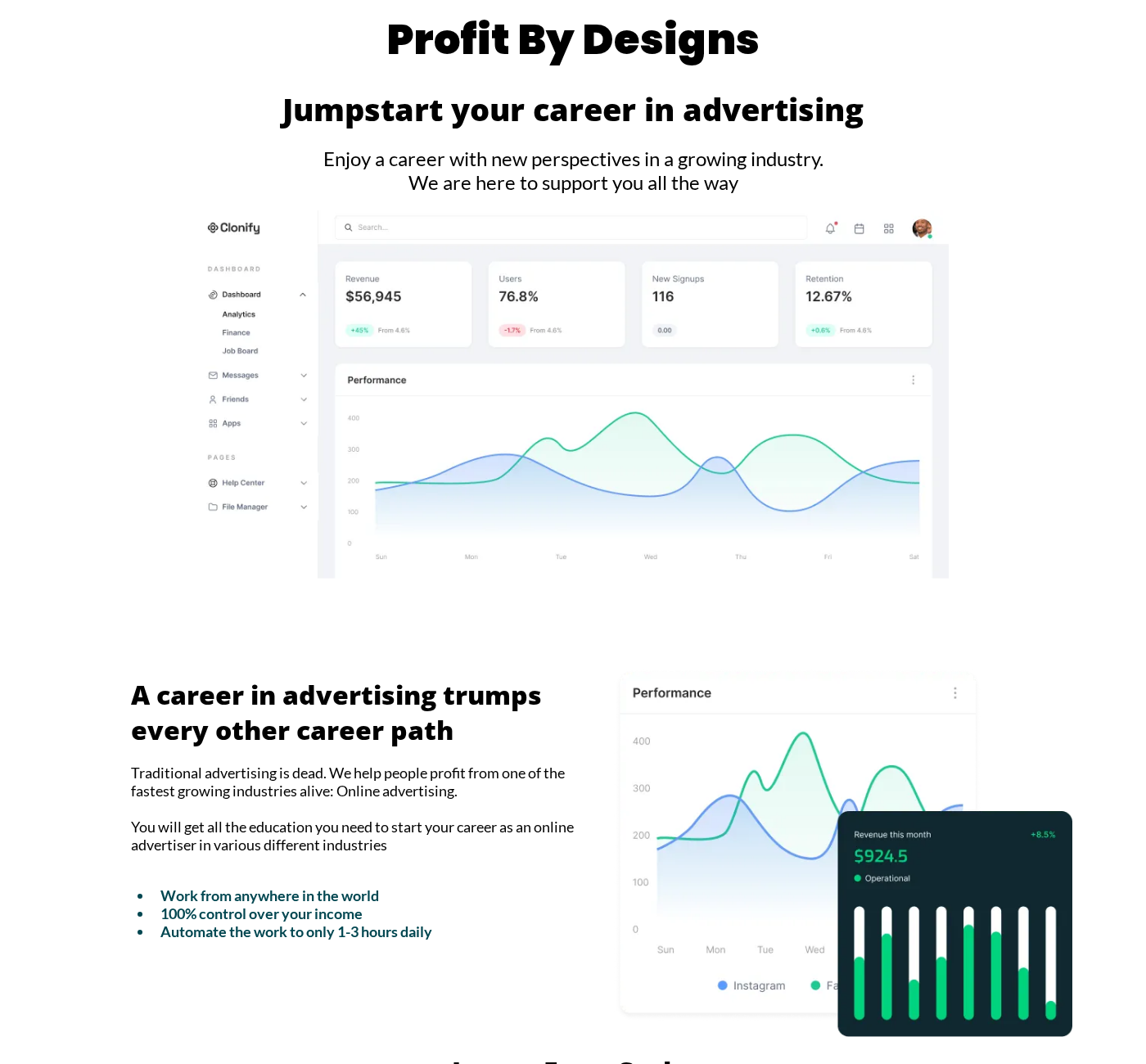
The live Profit By Designs homepage currently says users can jumpstart a career in advertising. It promises work from anywhere, 100% control over income, and automation that reduces work to one to three hours daily.
That page is materially different from the earlier promotion describing an AI-powered digital product launched within 24 hours, 80 or more daily sales, and only 20 to 30 minutes of work. The domain now redirects visitors to a new numbered home page.
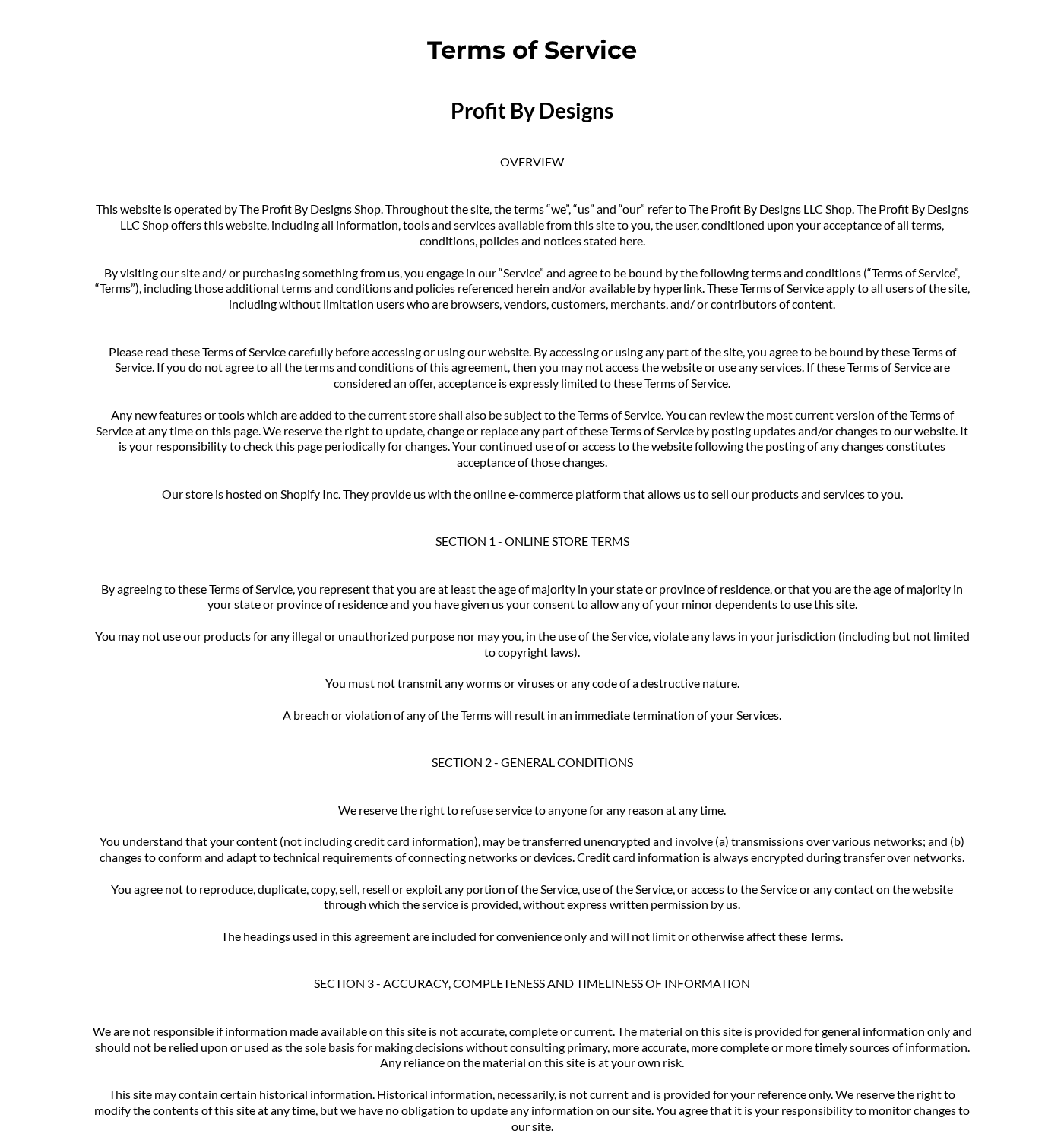
The terms add a less prominent side of the purchase. They say digital and downloadable products are non-refundable, mention a 7-day trial without explaining it on the public homepage, and provide only an email address for questions.
Overview
The underlying business idea is not impossible
People do use AI tools to draft digital products, create advertising assets, analyze campaigns, and automate parts of customer communication. Media buying is a real occupation, and affiliate marketers can earn commissions by advertising other companies’ products.
What AI does not remove is the need for a useful product, advertising budget, compliant claims, testing, audience research, payment processing, customer service, refunds, taxes, and the possibility of losing money. Automation can speed up tasks without guaranteeing buyers or profit.
The marketing has changed substantially
An earlier presentation promoted a beginner-friendly AI system that could launch a digital product in 24 hours and achieve 80+ sales per day on autopilot with 20 to 30 minutes of daily work. The current page no longer leads with those claims.
It now describes advertising education, says users can start within 30 days, recommends adding links to selected products, and says to get started with $200. A changed page does not prove fraud, but buyers cannot evaluate an offer when the promise, workload, and business model keep shifting.
The public terms leave important questions unanswered
The terms identify The Profit By Designs LLC Shop but do not provide a street address, registration jurisdiction, responsible person, or support phone. The privacy notice also contains unfinished blanks and says servers are located in without naming a country.
Digital purchases are described as non-refundable. A separate refund-policy link currently redirects to the homepage instead of showing a distinct policy, while the terms mention termination after a 7-day trial without stating the trial price or what happens afterward.
- Earlier marketing claimed an AI digital product could launch in 24 hours.
- The earlier pitch referred to 80+ sales per day on autopilot.
- The current page focuses on media buying and affiliate links.
- It says users can start with $200 and within 30 days.
- It promises 100% control over income and one to three work hours daily.
- The terms say all digital products are non-refundable.
- A 7-day trial appears in the terms but is not clearly explained publicly.
- No street address or support phone is displayed in the reviewed policies.
What Profit By Designs Appears to Be Selling
The current homepage presents Profit By Designs as advertising education. It says customers learn media buying, watch the operator set up campaigns, promote recommended products through their own links, and scale advertising across platforms such as Facebook, Google, and YouTube.
That description resembles a training or affiliate-marketing program more than a fully automated AI business. The customer may be expected to buy advertising, select offers, create campaigns, monitor results, and absorb losses when traffic does not convert.
The statement get started with $200 appears near the current sales copy. The page does not clearly explain whether that amount is tuition, an advertising budget, a suggested minimum, or only an illustrative figure. That distinction should be clarified in writing before purchase.
Earlier marketing was more aggressive. It framed AI as a way to launch a digital product in 24 hours, make 80+ daily sales, and spend only 20 to 30 minutes a day. Those are specific performance impressions even if the word guaranteed is absent.
Sales are not profit. A campaign can produce revenue while losing money after ad spend, platform fees, refunds, payment disputes, software, content production, taxes, and the cost of the training itself.
A responsible business-opportunity seller should provide representative results, expenses, failure rates, and clear disclosures. Screenshots of dashboards and statements about personal ad spend do not show what a typical new customer earns.
What Our Profit By Designs Investigation Found
The main domain currently redirects to profitbydesigns.com/home-523719. The page title is Home – Get Started!, and the description says Jumpstart your career in advertising rather than describing the earlier AI product-launch offer.
The current copy says traditional advertising is dead, customers can work from anywhere, have 100% control over income, and automate the work to one to three hours daily. It also says the operators have spent millions on advertisements for their own projects.
The training path has three broad steps: learn media buying, begin earning by adding personal links to recommended products, and scale income. The page gives no public curriculum length, instructor identities, student completion rate, typical ad loss, or independently audited result distribution.
The page displays polished revenue and performance dashboards, including figures such as $56,945. A dashboard image does not reveal whose account it is, the date range, ad spend, refunds, costs, or whether the figure represents revenue rather than net profit.
The terms call the operator The Profit By Designs LLC Shop and say the store is hosted on Shopify. The live homepage loads through a LeadConnector-style funnel environment. That may reflect a platform change or copied template, but it means the legal document does not describe the current presentation precisely.
The terms state that all digital and downloadable products are non-refundable once purchased. The public refund-policy URL currently resolves back to the general homepage instead of displaying a separate refund explanation.
Section 16 of the terms says a user may terminate after a 7-day trial period. The reviewed public homepage does not describe the trial, its starting price, renewal amount, cancellation deadline, or whether the sentence is an unused template clause.
The privacy notice names Profit By Designs LLC but contains incomplete fields. It says servers are located in without naming a place and leaves a blank contact where underage data should be reported. The only consistent public contact we found was info@profitbydesigns.com.
How the AI Automated Business Offer Funnel Works
Step 1: An automation promise attracts beginners
The advertisement presents AI as the missing shortcut between an ordinary person and an online business. A fast launch, limited daily effort, and large potential sales make the opportunity feel safer than learning a difficult profession.
The viewer is encouraged to focus on speed and scale before seeing the actual work, expenses, refund restrictions, or distribution of customer outcomes.
Step 2: Revenue imagery substitutes for representative evidence
Dashboards, graphs, and large figures create a visual impression of success. They do not identify the account owner, include advertising costs, or show how many customers achieved comparable results.
The FTC advises buyers to demand written substantiation for earnings claims and to examine how many purchasers achieved the represented level. A screenshot alone cannot answer those questions.
Step 3: The offer is described broadly enough to shift
The earlier promotion centered on AI-created digital products and 80+ daily sales. The current page centers on media buying, affiliate links, and advertising education.
Both models can exist inside one course, but the public material should explain the relationship. A buyer expecting a done-for-you AI product may instead receive training on purchasing advertisements for third-party offers.
Step 4: The customer supplies money and campaign risk
The current page says users can get started with $200. If that is an advertising budget, the customer bears the downside when clicks do not convert, accounts are restricted, or promoted products generate refunds.
Media buying requires continuous testing. A single creative or audience can lose the full budget without producing a sale, and scaling a profitable campaign can change its cost and performance.
Step 5: Digital delivery triggers a strict refund position
The terms say digital goods are non-refundable because they can be accessed immediately and cannot be returned. That policy can leave a dissatisfied buyer with little leverage once login details or downloads are delivered.
The refund link’s current redirection makes the decision harder. A buyer should request the exact policy and product description in writing before paying, not after access has activated the no-refund clause.
Step 6: Trial language creates possible billing ambiguity
The terms refer to a 7-day trial, but the public page does not explain a trial offer. We did not complete a purchase and therefore cannot state that every customer enters an automatic subscription.
The unexplained sentence is still a warning. Ask whether any card authorization renews, what amount follows day seven, how cancellation works, and which statement descriptor will appear.
Step 7: Results depend on work the headline minimizes
Even useful training cannot make buyers, platform approval, or profitable advertising automatic. The customer must learn, test, measure, comply with advertising rules, and make decisions under uncertainty.
If the program provides only broad videos and recommended links, the business outcome may be far less automated than the promotion implied. The seller should be judged on transparent deliverables and substantiated typical results.
Company, Address, and Fulfillment Checks
The LLC name is not enough without registration details
The terms use The Profit By Designs LLC Shop, while the privacy notice uses Profit By Designs LLC. Neither reviewed page gives a state of formation, registration number, street address, or named manager.
Buyers should ask for the exact legal entity accepting payment and verify it in the stated jurisdiction. A generic United States governing-law sentence is not a substitute for identifying the state and service address.
No public phone or physical address was provided
The only consistent public contact we found was info@profitbydesigns.com. Email can be useful, but a business selling career training should also make it possible to verify where legal notices, refund disputes, and data requests are handled.
A virtual office or mailbox would not prove a training team exists. Ask who teaches the course, who provides support, where the company is registered, and which person is responsible for earnings representations.
The terms look partly stale or templated
They say the store is hosted on Shopify, while the current page operates as a LeadConnector-style funnel. They mention a 7-day trial not described publicly and a returns policy that does not open as a separate document.
Templates are common and not proof of fraud. They become a buyer risk when the missing or mismatched clauses concern refunds, billing, platform ownership, and termination.
Digital fulfillment should be specific and testable
Before buying, request a module list, instructor names, lesson dates, software requirements, support response time, community access, advertising budget, upsells, and every recurring tool needed to follow the method.
A login by itself is not proof of value. The product should match the promised business model, and any recommended affiliate products should be disclosed as relationships that may compensate the operator.
Fake or Real? Our Verdict on Profit By Designs
We do not have enough verified evidence to state that Profit By Designs is an outright fraudulent operation. We did not purchase the training, inspect the private curriculum, or document a victim who paid and received nothing.
We also found no adequate public evidence supporting the most aggressive earlier impressions: an AI product in 24 hours, 80+ sales per day, autopilot operation, and only 20 to 30 minutes of daily work. Those claims should not be accepted without written representative data.
The live page’s promises remain unusually broad. 100% control over income and one to three hours of automated work minimize the uncertainty of paid advertising, where the customer can lose the entire testing budget and still owe platform or training costs.
The policy problems are concrete. Digital goods are non-refundable, the refund link returns to the homepage, the trial clause lacks public detail, the privacy notice contains blanks, and no street address or phone is displayed.
Our verdict is high caution, not a categorical accusation. A prospective buyer should pause until the company supplies the exact product, price, trial and renewal terms, refund rule, legal identity, representative outcomes, and total required advertising budget in writing.
If the seller will not answer those questions before payment, walking away is reasonable. A genuine education company should be able to explain what students receive without relying on income dashboards or an ever-changing headline.
Warning Signs to Watch For
- Earlier marketing promised 80+ sales per day on autopilot.
- The public business model changed from AI products to media buying.
- Dashboard figures are not accompanied by costs or verification.
- The page says users have 100% control over income.
- Work is described as automatable to one to three hours daily.
- The meaning of get started with $200 is unclear.
- Digital products are declared non-refundable.
- The refund-policy link currently returns to the homepage.
- A 7-day trial is mentioned without public billing details.
- The company address and support phone are missing.
None of these issues alone proves that the private training is worthless. Together, they mean a buyer is being asked to accept financial risk while the seller leaves essential claims, policies, and identity details unresolved.
What to Do if You Have Fallen Victim to This Scam
- Save the offer you actually purchased. Capture the earlier AI claims or current advertising pitch, product name, checkout, order bumps, receipt, course dashboard, refund language, and every message. The public page has already changed, so timing matters.
- Ask for the complete billing record. Request the legal seller name, initial price, trial terms, renewal amount, statement descriptor, and every active subscription. Do not assume closing the course account ends a card authorization.
- Cancel in writing before any deadline. Email info@profitbydesigns.com and any address on the receipt. State the order number, every service being canceled, the date, and the reason. Ask for confirmation and keep proof that the request arrived.
- Challenge a material misrepresentation. If the delivered training differs substantially from the advertised AI business, explain the mismatch to the seller and card issuer. Provide precise promises and missing deliverables rather than saying only that results were disappointing.
- Stop unprofitable advertising carefully. Pause campaigns through the genuine ad platforms, remove unnecessary payment methods, and export performance data first. Do not give an unexpected coach remote access to recover a campaign or unlock earnings.
- Report unsupported income claims. The FTC accepts reports about deceptive business opportunities and trainings. Include screenshots, dates, prices, claimed sales, typical work time, refund terms, and the seller's response.
- Run Malwarebytes if unusual software was installed. Course access should not require unknown executables, cracked marketing tools, or remote-control programs. Scan the device with Malwarebytes, remove detections, and change credentials entered into suspicious software.
- Use AdGuard to reduce retargeting. AdGuard can limit aggressive retargeting, pop-ups, and tracking links that follow visits to income-offer funnels. It cannot judge a course's value, so base the buying decision on contracts and verified results.
Frequently Asked Questions
Is Profit By Designs definitely a scam?
We did not find enough verified evidence for that categorical conclusion. We did find major transparency and marketing concerns that justify high caution before paying.
Can AI launch a digital product in 24 hours?
AI can accelerate drafts and setup, but a useful, compliant, tested product and a functioning sales system require more than generation speed. A launch does not guarantee even one sale.
Are 80+ sales per day realistic for beginners?
The public material we reviewed did not provide representative customer data, costs, time frames, or the percentage of buyers reaching that result. Treat the claim as unsubstantiated until written proof is supplied.
Does the current site still sell an AI product system?
The current homepage focuses on media buying, affiliate links, and advertising education. It does not clearly explain how that offer relates to the earlier AI digital-product presentation.
Can I get a refund?
The terms say digital and downloadable products are non-refundable. The separate refund link currently returns to the homepage, so request the exact applicable policy in writing and contact the issuer if the service was materially misrepresented.
Does Profit By Designs have a trial subscription?
The terms mention a 7-day trial, but the public page we reviewed does not explain the price, renewal, or cancellation. We cannot confirm automatic billing for every buyer, so verify the final checkout and receipt.
The Bottom Line
This AI Automated Business Offer investigation found a possible education product wrapped in claims that are much clearer about opportunity than about typical outcomes, expenses, refunds, or legal accountability.
Profit By Designs has shifted from an AI autopilot story to media-buying education. Its current terms impose a no-refund rule, mention an unexplained 7-day trial, and omit a public street address and support phone.
That evidence supports a high-caution verdict, not an unsupported criminal accusation. Do not buy until the seller supplies the exact curriculum, total cost, recurring terms, representative earnings evidence, and legal company details in writing.








