

You click because the advertisement promises a list. What goes into the viral baking soda weight loss recipe? How much should you use? When should you drink it? Instead of receiving practical answers, you enter a long story that always seems one revelation away from the ingredients.
That missing list is the hook. The baking soda weight loss recipe ingredients campaign turns a simple search question into an impersonation and supplement sales funnel. The recipe stays vague because the real objective is not to teach you how to make a drink.
Overview
The advertisement answers a search query without giving an answer
People who see the viral claim often search for ingredients before they believe it. Scammers anticipate that behavior. They build videos and pages around phrases such as baking soda recipe ingredients, baking soda water shot, morning metabolism recipe, or homemade GLP-1 drink.
The page appears relevant because it repeats the exact question. Yet the measurements, medical precautions, and credible evidence never arrive. Every section points the visitor toward another video, button, or sales page.
Famous names make the missing recipe feel credible
Oprah Winfrey, Dr. Ania Jastreboff, Dr. Oz, television presenters, and unnamed weight-loss specialists may be woven into the story. Their faces create an impression that the recipe has already been investigated and approved.
The endorsements are not genuine. Yale has warned that fraudulent AI videos use Dr. Jastreboff’s identity, while Oprah has separately warned about false weight-loss advertisements using her name and image.
A supplement replaces the kitchen ingredients at the last moment
The story begins with baking soda, water, lemon, salt, cinnamon, or another familiar item. Near the end, the narrator claims the recipe works only when paired with a proprietary mineral, extract, or formula.
That missing component is sold as capsules, drops, or powder. The product name can change, but the video, fake interview, and promised mechanism remain almost identical.
- The advertisement promises ingredients but withholds usable quantities and safety guidance.
- A fake doctor, celebrity, or news identity supplies borrowed credibility.
- Different household ingredients can lead to nearly identical supplement checkouts.
- The merchant and full immediate charge may remain unclear until the final step.
There Is No Verified Secret Ingredient List
A real recipe provides quantities, preparation instructions, known risks, and a reliable reason for each ingredient. A medical intervention requires even more, including evidence, contraindications, dosage, and professional oversight.
The viral pages usually provide none of that. They use phrases such as activates fat-burning cells, restores alkaline balance, supports natural GLP-1, or resets metabolism without defining a measurable treatment.
Common versions contradict one another
One advertisement says lemon is essential. Another says pink salt creates the effect. A third uses apple cider vinegar, cinnamon, honey, or warm water. Some suggest drinking the mixture before bed, while others insist it must be taken immediately after waking.
These contradictions are not signs of a developing scientific discovery. They show how easily advertisers adapt the same framework to new search trends and products.
The medical language does not prove the mechanism
Baking soda can temporarily neutralize stomach acid. That familiar effect does not mean it causes durable fat loss, repairs insulin resistance, or recreates the action of prescription obesity medicines.
The National Institutes of Health reports that there is little scientific evidence that most weight-loss supplements work. Some ingredients may interact with medicines, and some products marketed for weight loss have contained hidden or unsafe substances.
Sodium bicarbonate also adds significant sodium and affects the body’s acid-base balance. People with high blood pressure, heart failure, kidney disease, sodium restrictions, or certain medications should not experiment with repeated doses based on an advertisement.
Why the Ingredients Story Is So Effective
The campaign does not ask viewers to believe a miracle immediately. It asks them to satisfy their curiosity. Searching for an ingredient feels safer and more rational than shopping for a miracle pill, which lowers the viewer’s defenses.
The funnel then uses small commitments. Watch another minute. Answer a quiz. Confirm your age. Read a personal story. By the time the product appears, the visitor has spent enough time that leaving feels like wasting the effort.
The page borrows the appearance of journalism
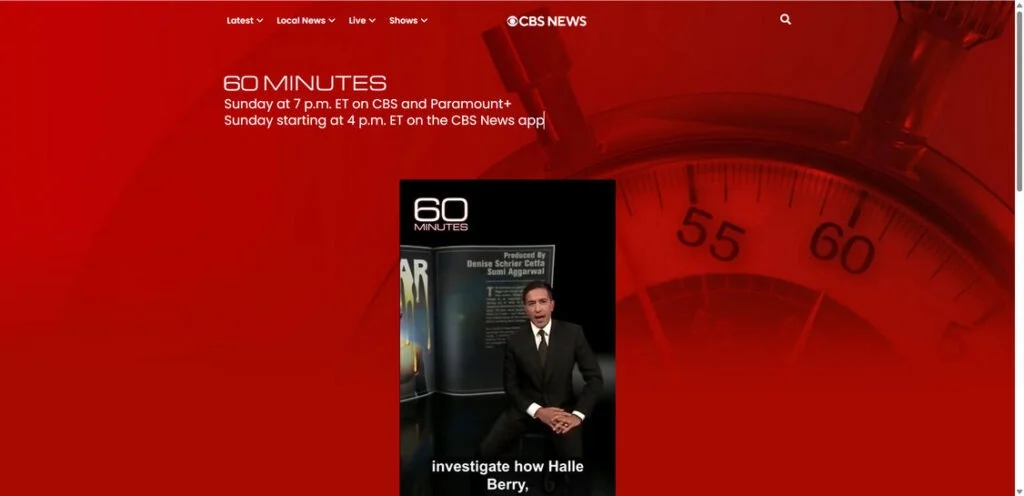
A fake article may resemble Today, CNN, Fox News, CBS, or another familiar outlet. It can include an interview layout, medical reviewer box, publication date, comments, and navigation menu.
The browser address is the reality check. If the domain does not belong to the outlet shown in the header, its logo and design are decoration, not proof.
The product changes faster than the story
A landing page can be edited in minutes. The advertiser can replace the bottle, price, merchant link, and product claims while keeping the expensive parts of the campaign, including the AI video and celebrity narrative.
This explains why viewers remember the baking soda trick but report different products. The story is the durable brand. The supplement is interchangeable inventory.
How the Scam Works
Step 1: The ad promises the complete recipe or ingredient list
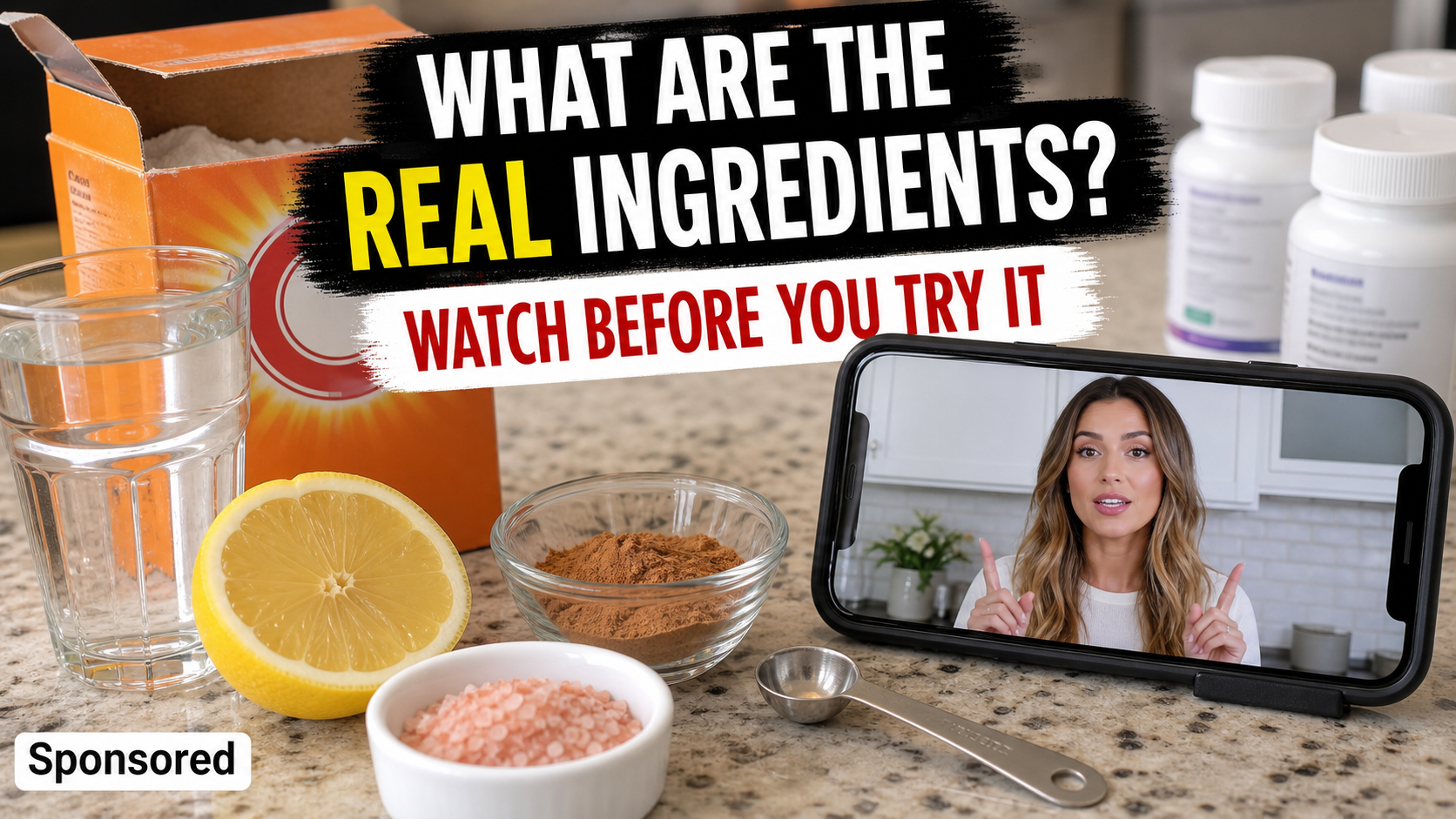
A sponsored post uses a glass of cloudy water, a spoon of baking soda, lemon slices, or a kitchen demonstration. The headline asks what the hidden ingredient is or claims that millions are making the recipe incorrectly.
The call to action says watch, learn more, or see ingredients. It avoids saying buy now because the campaign wants to feel educational at first.
Step 2: A celebrity or doctor appears to validate the discovery
The next clip may show Oprah, Dr. Jastreboff, Dr. Oz, or a television host. AI voice cloning, face animation, selective editing, and unrelated authentic footage can be combined into a false endorsement.
The fake speaker may claim that a network tried to remove the interview or that pharmaceutical interests want the recipe suppressed. This conspiracy framing discourages viewers from trusting real corrections.
Step 3: A fake news page repeats the promise
The click opens an advertorial built to resemble a trusted publication. Headlines, logos, dates, comments, and medical-review labels are placed around a video or personal success story.
Buttons that appear to lead to references, author profiles, or related stories may all send visitors to the same sales destination. The domain usually has no legitimate connection to the copied outlet.
Step 4: The video stretches a simple question into a long presentation
Instead of listing ingredients, the narrator describes failed diets, hidden causes of weight gain, dramatic transformations, and an alleged breakthrough. Each chapter promises that the recipe will be explained shortly.
The presentation may prevent fast-forwarding or reveal controls only after several minutes. That is a sales technique, not a sign that the information is medically important.
Step 5: A supplement becomes the essential final ingredient
The narrator says the ordinary kitchen items work only with a proprietary blend. A supplement such as Soda Fit, EvoSlim, AlkaSlim, or another rotating name suddenly appears as the simplest way to obtain the full effect.
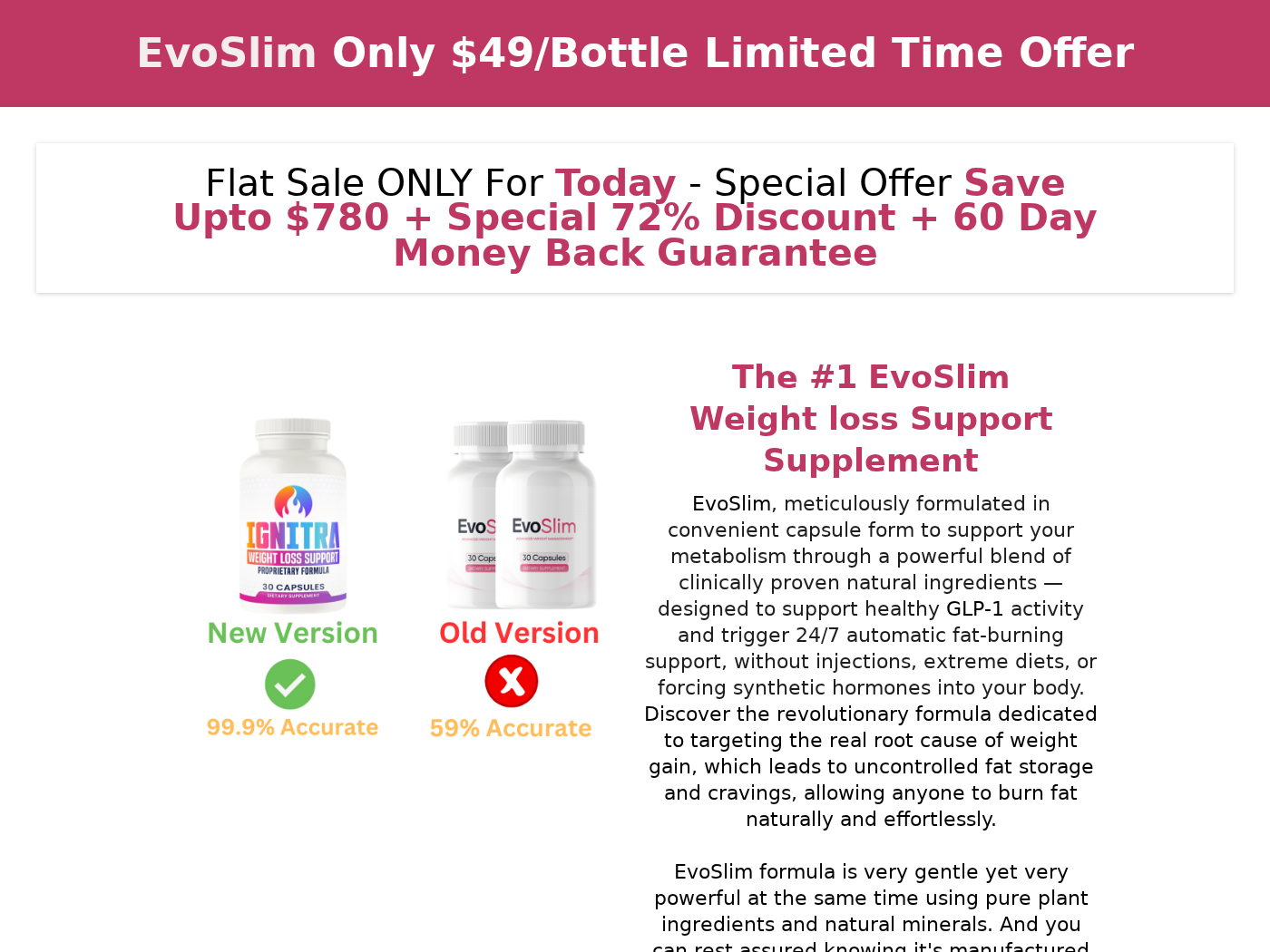
The campaign may say the formula is doctor-formulated, natural, made in the USA, FDA registered, or produced in an approved facility. Those phrases do not prove that the product treats obesity or that the named celebrity endorsed it.
Step 6: The checkout emphasizes bundles and urgency
Several bottle packages appear, with the largest order marked as most popular or best value. A low per-bottle figure dominates the page while the full charge is less prominent.
Timers, stock warnings, visitor counters, and expiring discounts pressure buyers to skip the policies. Optional warranties, shipping protection, digital programs, and add-on products may increase the total.
Step 7: Refills, refunds, and support become the real test
Some checkout pages sell a one-time bundle. Others may include autoship language, continuity plans, or post-purchase refill offers. The only safe conclusion comes from the exact terms and confirmation for the transaction being made.
Problems begin when the card charge, number of bottles, or later shipment does not match what the buyer expected. Returns may require prior authorization and tracked shipping to a fulfillment center before a narrow deadline.
The Biggest Warning Signs
- The headline promises ingredients, but the page requires a long video before revealing them.
- A celebrity or physician appears without confirmation on an official channel.
- The page copies a news brand that does not match the domain in the address bar.
- Different advertisements describe different ingredients but lead to similar products.
- Medical phrases are used without product-specific clinical evidence or meaningful dosage information.
- The product appears only after an emotional story and conspiracy claim.
- The order page highlights a per-bottle price instead of the complete immediate charge.
- The seller, manufacturer, fulfillment company, and card descriptor are difficult to connect.
A single warning may have an innocent explanation. Several appearing together, particularly a false endorsement, copied news identity, hidden seller, and pressured bundle, show that the safest choice is to close the page and keep your payment information private.
Company, Address, and Fulfillment Checks
The bottle name can disappear, but the merchant charge remains
Identify the legal company accepting the order. Compare the checkout, terms, privacy policy, confirmation email, package, and card statement. A vague brand name gives you little recourse when the storefront disappears.
A fulfillment address is often presented as a company headquarters
Search the listed address before ordering. It may be a shared return warehouse, virtual mailbox, residential location, or property connected to unrelated businesses. Package handling does not prove who formulated the product or approved the advertising.
Generic support contacts can become a dead end
Call the number and write to the email before paying. Ask whether support handles the exact product, whether the order renews, what the complete charge will be, and where returns go. No answer, contradictory answers, or one inbox serving many unrelated brands are serious warnings.
Untraceable manufacturing can make the supplement dangerous
Rapidly launched private-label products may be mass-produced overseas, including in China, then packaged under short-lived brand names. Country of origin alone does not establish safety or danger, but an unknown manufacturer and missing quality records make the seller’s dramatic claims impossible to verify.
Look for a complete Supplement Facts panel, actual ingredient amounts, warnings, lot number, manufacturer, and independent testing tied to that batch. If those basics are absent, do not swallow the product.
What to Do if You Have Fallen Victim to This Scam
- Preserve every version of the offer. Save the social ad, fake article, video page, checkout, terms, receipt, messages, package, label, and card transaction. URLs and screenshots may disappear quickly.
- Compare the promise with the transaction. Write down the quantity expected, total displayed, amount charged, renewal terms shown, and what arrived. This creates a clear record for the merchant and bank.
- Cancel directly and in writing. Request cancellation of the order and any recurring plan. Ask for a return authorization and written confirmation that the seller will not charge or ship again.
- Contact the card issuer promptly. Dispute unauthorized quantities, hidden renewals, or misrepresented transactions. Ask whether the merchant can be blocked and whether the card should be replaced.
- Use tracked returns only. Confirm the return destination first, photograph the bottles, keep the tracking number, and save proof of delivery. Do not send a package to an address found only in an unrelated advertisement.
- Secure the device and browser. If you downloaded anything or granted unusual permissions, scan with Malwarebytes. Use AdGuard to block malicious advertising, trackers, and repeat funnel redirects.
- Get medical guidance for symptoms. Stop taking an unknown product and contact a clinician or Poison Control if you feel ill. Keep the packaging, ingredient panel, and lot details.
- Report the campaign. Report the advertisement to the platform and file a report with the FTC. Include the merchant descriptor, support details, and domains involved.
Frequently Asked Questions
What are the real baking soda weight loss recipe ingredients?
There is no verified secret recipe behind these advertisements. Versions contradict one another and commonly use baking soda, water, lemon, salt, cinnamon, or vinegar as bait before introducing a supplement.
Does baking soda burn belly fat?
No reliable clinical evidence shows that drinking baking soda causes meaningful fat loss. It can neutralize acid, but that does not establish the metabolic effects claimed by sales videos.
Is the homemade GLP-1 recipe real?
A kitchen drink does not reproduce a prescription GLP-1 medicine. The phrase homemade GLP-1 is advertising language unless supported by credible, product-specific clinical evidence, which these funnels do not provide.
Why do the advertisements hide the ingredient list?
Delay keeps viewers watching and allows the seller to reframe a free recipe search as a reason to purchase a proprietary product. If the list appeared immediately, the long sales presentation would lose its leverage.
Are Soda Fit, EvoSlim, and AlkaSlim the same product?
They are separate brand names and should not be assumed to have identical formulas or owners. They illustrate how similar baking soda narratives can be connected to different products over time.
Does every offer contain an automatic subscription?
No. Some visible offers are one-time bundles, while others may include autoship or later refill options. Verify the precise checkout, written terms, order confirmation, and subsequent statements.
The Bottom Line
The baking soda weight loss ingredients story is built around an answer that never arrives. A simple recipe search is stretched into a fake expert presentation, copied news page, rotating supplement offer, and pressured checkout.
Do not judge the campaign by the kitchen ingredients in its opening scene. Judge it by the fake endorsement, missing evidence, hidden merchant identity, and complete transaction placed at the end.








