

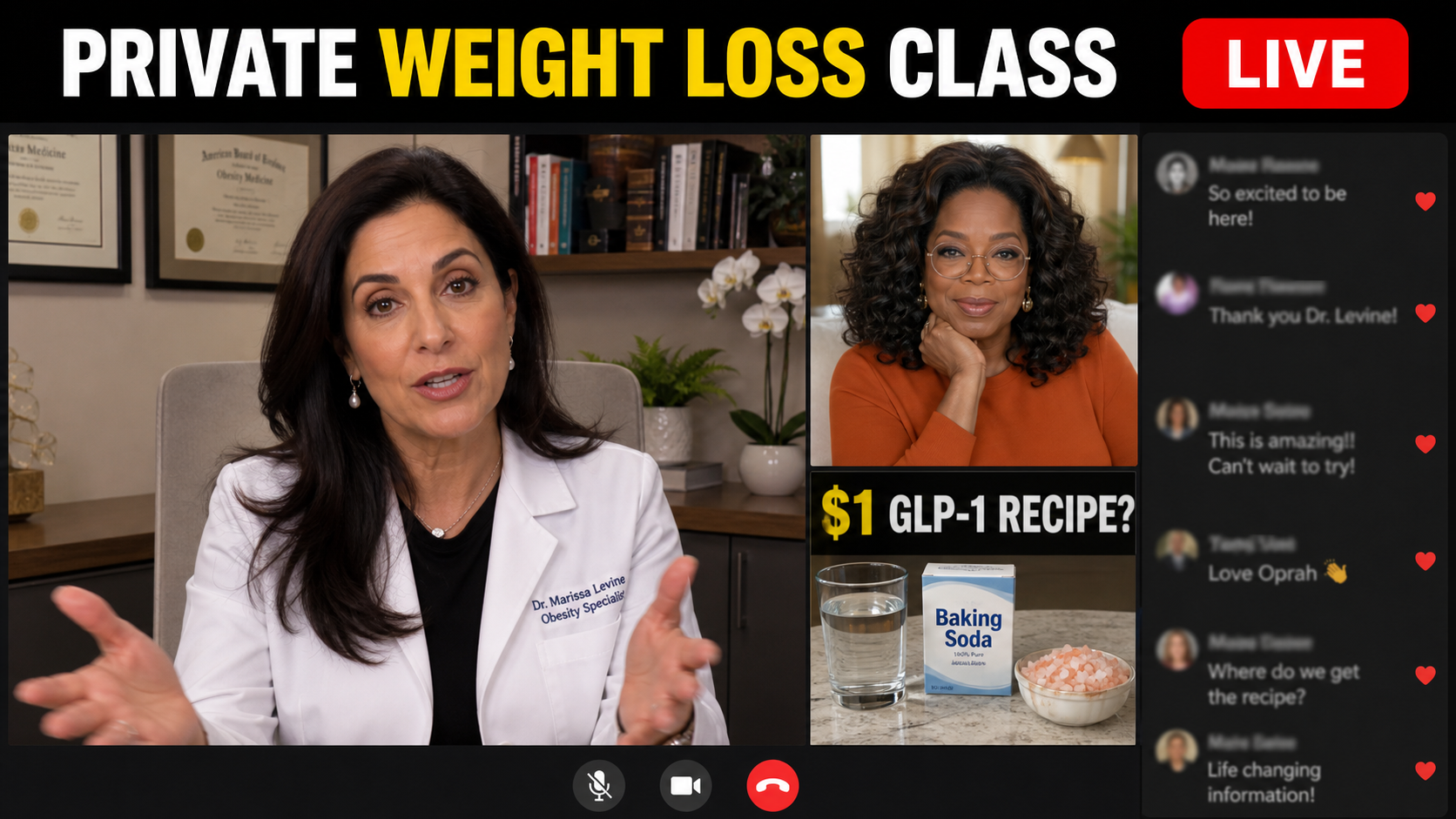
A familiar doctor appears on screen, a live chat fills with success stories, and a supposedly private weight-loss class promises to reveal the recipe that ordinary physicians will not discuss. It looks spontaneous and convincing. Almost every part of that presentation, however, may have been built to sell.
The Dr. Ania Jastreboff weight loss recipe campaign is not a genuine medical webinar. It is an impersonation funnel that borrows a real specialist’s identity, uses AI-generated or manipulated video, and eventually steers viewers toward rotating supplement offers.
Overview
A real specialist is placed inside a fabricated sales story
Dr. Ania Jastreboff is a real Yale obesity-medicine specialist. That fact gives the scam its persuasive foundation. The advertisements then manufacture the part that matters most, the claim that she recorded a secret class, endorsed a household recipe, or recommended the supplement sold at the end.
Yale has publicly warned that videos using Dr. Jastreboff’s identity in weight-loss promotions are fraudulent and AI-generated. The institution also states that she has no connection to the promoted recipes or products.
The supposed live class is a carefully controlled recording
The page may look like a webinar room. A presenter speaks, viewer numbers rise, comments appear at convenient moments, and people in the chat claim they have already lost weight. These details create the impression that other viewers are watching and buying alongside you.
In reality, the event can be a prerecorded sales video embedded in a template. The countdown, chat messages, limited spaces, and attendance counter may continue on the same schedule whenever a new visitor opens the page.
The recipe is bait, while the checkout is the destination
Viewers arrive expecting baking soda, pink salt, lemon, or another simple kitchen formula. The video delays the answer, dismisses familiar methods, and builds suspense around a missing ingredient. Near the end, the promised recipe becomes a reason to buy capsules, drops, or a powder.
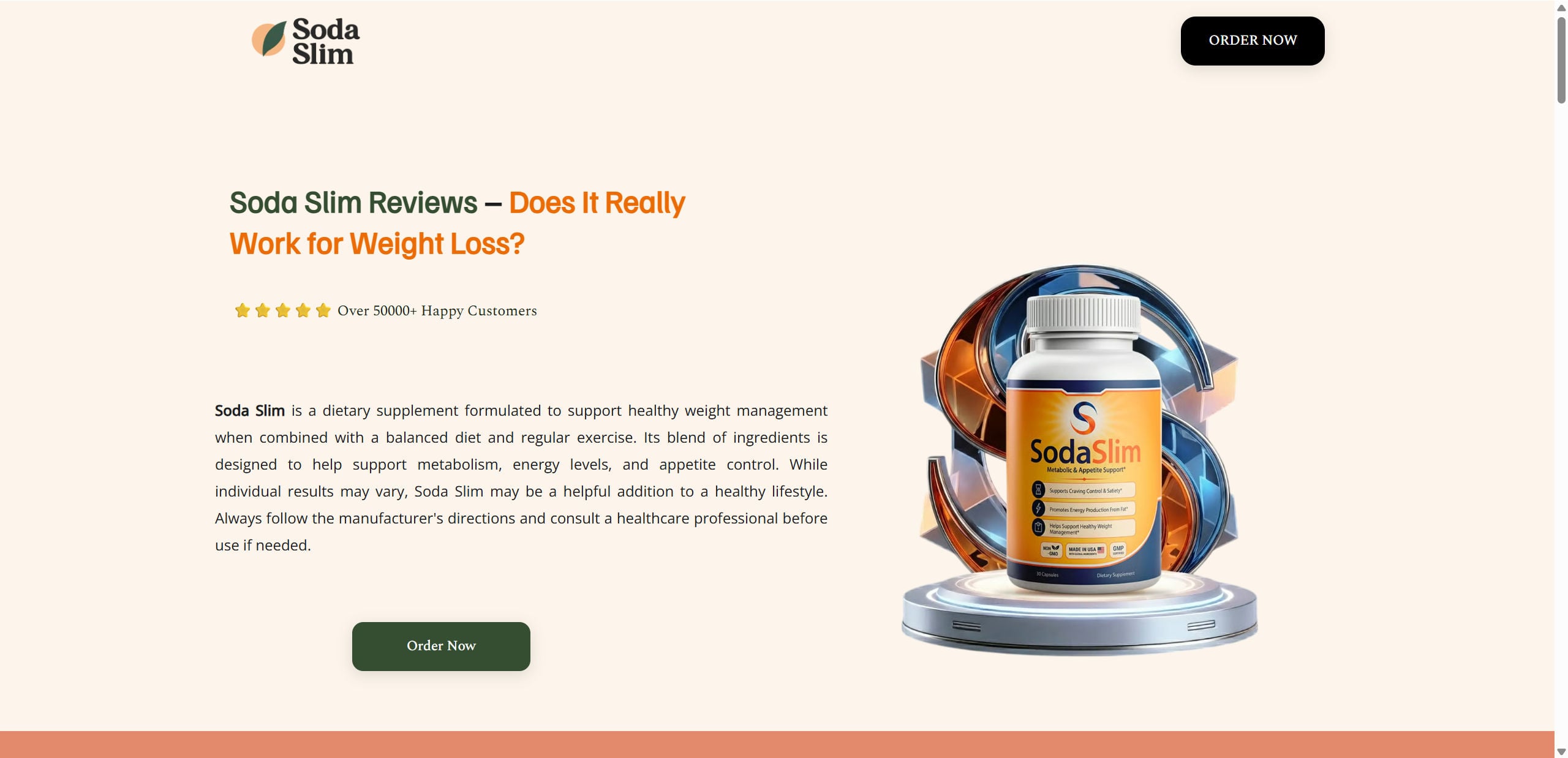
The bottle can change from one campaign to another. Names such as AlkaSlim, AlkaLean, SodaSlim, SlimSoda, and similar products have appeared around this style of story. The reusable asset is the endorsement narrative, not the label.
- The named doctor and celebrity have not authenticated the presentation.
- The supposed live class can be a prerecorded sales video with simulated chat.
- The free household recipe is delayed until a paid supplement appears.
- The bottle and merchant can change while the impersonation story stays the same.
Why the Dr. Ania Jastreboff Video Is Not a Real Medical Webinar
A legitimate medical education event tells viewers who organized it, where the evidence can be reviewed, what conflicts of interest exist, and how claims should be interpreted. It does not hide a supplement checkout behind a mystery recipe.
The fake webinar reverses that order. It presents authority first, withholds the commercial purpose, and reveals the seller only after the viewer has invested considerable time and emotion.
AI makes the impersonation feel personal
Modern face animation and voice cloning can make a real person’s photograph appear to speak. Short clips may look persuasive on a phone because compression, captions, quick cuts, and background music conceal visual or audio defects.
Watch the lips, teeth, jawline, blinking, hand movements, and transitions between sentences. The voice may have unnatural emphasis, missing breaths, inconsistent room tone, or a rhythm that never sounds fully conversational.
None of those clues is conclusive by itself. The decisive check is whether the claimed expert and institution confirm the endorsement. In this case, Yale’s denial directly contradicts the sales story.
Oprah imagery adds a second layer of borrowed trust
Some versions pair Dr. Jastreboff with Oprah Winfrey, a television host who resembles her, or a clip edited to imply a friendly interview. This is designed to connect medical authority with a highly recognizable weight-loss story.
Oprah has also warned consumers about fraudulent weight-loss advertisements using her name and image. A video that combines both identities is not stronger proof. It is two impersonations placed in the same funnel.
What the Campaign Is Really Selling
The story may describe a cheap recipe, but the transaction usually involves a branded supplement. Offers are commonly arranged as two, three, or six bottles, with the largest bundle marked as the best value.
A low price can be shown per bottle while the checkout charges the entire bundle. Shipping, taxes, warranties, priority processing, digital programs, or additional products may appear later in the process.
Some funnels use one-time orders. Others include continuity terms, autoship options, post-purchase upsells, or later refill offers. A consumer should not assume every campaign has identical terms, but should never rely on a sales-video promise that is absent from the checkout and written policies.
Why the supplement name is deliberately replaceable
If complaints accumulate around one label, advertisers can connect the same video to a different bottle. The fake webinar, emotional testimonials, and celebrity storyline remain useful because they never depended on verified evidence for the original product.
This is why searching only the latest product name can provide false reassurance. A recently registered brand may have few complaints simply because it has not been visible for long.
Why the health claims deserve extra caution
There is no credible evidence that a household baking soda mixture recreates prescription GLP-1 treatment or produces dramatic, effortless fat loss. The National Institutes of Health notes that there is little scientific evidence supporting most weight-loss supplements and that some ingredients can cause harm or interact with medicines.
Sodium bicarbonate also carries real medical considerations. People with high blood pressure, heart failure, kidney disease, sodium restrictions, or interacting medicines should not treat it as an unlimited wellness ingredient.
How the Scam Works
Step 1: A dramatic social media video stops the scroll
The first advertisement is short and emotionally precise. It may claim that a doctor was censored, that a television segment was removed, or that a simple recipe is making the weight-loss industry nervous.
The video may use Dr. Jastreboff’s face, an Oprah-like interviewer, prescription imagery, or before-and-after photographs. Captions make the story understandable even with the sound turned off.
Step 2: The ad opens a fake article or registration page
Instead of going directly to a store, the click often leads to a page dressed like a news report, clinic notice, or private class registration. Familiar colors, logos, medical titles, and interview formatting lower the viewer’s suspicion.
Checking the address bar usually reveals that the page is not hosted by Yale, the doctor’s verified professional page, a recognized medical publisher, or the celebrity’s official website.
Step 3: A prerecorded video pretends to be live
The webinar begins with a story rather than verifiable information. Fake chat messages praise the presenter, ask perfectly timed questions, and announce rapid results. Viewer counts and countdowns create pressure to stay.
Reloading the page later may restart the same event. A real live class does not normally repeat identical comments, reactions, and timing for every new visitor.
Step 4: The presentation delays the promised recipe
The viewer is told that calorie counting, exercise, common supplements, and medical advice have all missed a hidden biological switch. Each delayed revelation increases the time already invested in the presentation.
The ingredients may be described vaguely, but practical measurements and safety guidance remain absent. The delay is intentional because the campaign needs the viewer to hear the sales argument before learning that a product is involved.
Step 5: A rotating supplement becomes the missing ingredient
The video eventually introduces capsules, drops, or powder as the convenient version of the recipe. A product image appears beside unverified claims about metabolism, GLP-1, fat burning, appetite, or inflammation.
The seller may change the bottle without changing the video. That disconnect is a major warning sign because a genuine doctor’s recommendation would identify a specific formulation and evidence, not a replaceable private-label product.
Step 6: The order page pushes a larger bundle
The landing page emphasizes a multi-month supply and may warn that stock is running out. The price most visible is often the per-bottle calculation, not the total amount charged today.
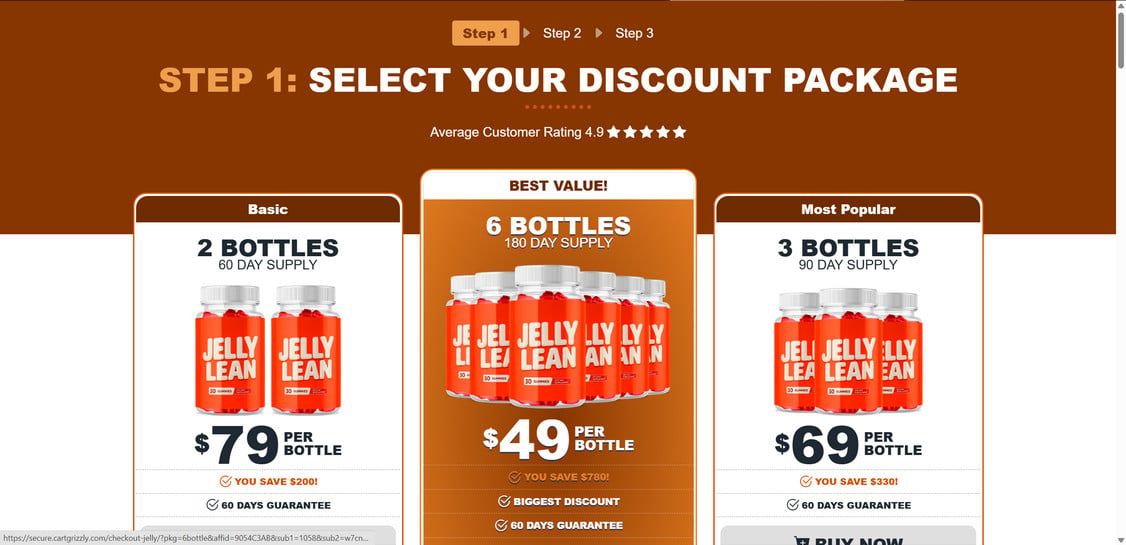
Buyers should inspect the final total, quantity, shipping charge, optional boxes, and renewal language before submitting payment. Screenshots should be taken before and after the order.
Step 7: Cancellation and refunds can become difficult
If an order includes refills or an unexpected bundle, the customer may discover the problem only after seeing a larger card charge or receiving multiple bottles. Support details may point to a call center or fulfillment warehouse that handles many unrelated brands.
Refund policies can require an authorization number, tracked return shipping, unopened containers, and a short deadline. A guarantee headline is less important than the exact written conditions.
Warning Signs You Are Looking at the Fake Weight Loss Class
- The video claims Dr. Jastreboff revealed a secret recipe, despite Yale’s public denial.
- The page uses Oprah imagery or a lookalike to suggest an endorsement.
- The web address does not belong to the expert, Yale, or the news outlet shown on screen.
- A supposedly live chat repeats perfectly timed praise and purchase announcements.
- The promised recipe remains vague until a supplement is introduced.
- The product name can change while the testimonial and webinar story remain identical.
- Large bundles and per-bottle prices obscure the amount charged immediately.
- The page offers dramatic results but no product-specific clinical evidence.
Company, Address, and Fulfillment Checks
The brand name may hide the company taking your money
A bottle label is not enough. Find the legal entity in the terms, privacy policy, checkout, receipt, and card descriptor. If different entities appear without a clear explanation, you may have difficulty identifying the responsible merchant.
A return warehouse is not a trustworthy headquarters
Some sellers list a fulfillment center, virtual mailbox, residential property, or address used by many unrelated products. A warehouse can receive packages while knowing nothing about the medical claims, advertising, formulation, or refund decision.
Silent phone lines and generic inboxes leave buyers stranded
Call the published number before ordering and ask about the exact brand, total charge, autoship status, cancellation process, and return destination. An unanswered line, generic email domain, or support contact reused by unrelated stores is a serious warning.
Unknown manufacturing turns a marketing problem into a safety risk
Private-label supplements can be mass-produced overseas, including in China, then relabeled for rapidly changing online brands. That does not prove a product is contaminated, but an unverifiable manufacturer, missing lot details, incomplete Supplement Facts panel, or unsupported medical claim removes basic accountability.
Do not use a supplement when you cannot identify who made it, where it was manufactured, or what each dose contains. The possible risk is not limited to wasted money. Undisclosed ingredients, incorrect amounts, allergens, and medicine interactions can cause real harm.
What to Do if You Have Fallen Victim to This Scam
- Save the evidence immediately. Capture the advertisement, webinar page, checkout, order confirmation, policies, emails, bottle labels, package, and card descriptor. Record dates and every phone call.
- Contact the merchant in writing. State clearly that you dispute the unauthorized endorsement, unexpected quantity, renewal, or billing. Request cancellation, a return authorization, and written confirmation that no future charges will occur.
- Call your bank or card issuer. Explain exactly what was represented and what was delivered or charged. Ask about a dispute, chargeback, merchant block, and replacement card if recurring transactions continue.
- Do not return the package blindly. Ask for the correct return address and authorization first. Use tracked shipping, photograph the contents, and keep the receipt.
- Protect your email and accounts. Change any reused password and enable multi-factor authentication. Be cautious of refund agents who ask for remote access, gift cards, cryptocurrency, or one-time codes.
- Check the device used for the order. If the page requested a file, browser extension, or notification permission, run a scan with Malwarebytes. Use AdGuard to reduce malicious advertising and repeat tracking.
- Speak with a medical professional. Stop using the product and seek advice if you feel unwell, take prescription medicines, or cannot verify the ingredients. Keep the bottle and lot number available.
- Report the advertisement. Report it to the social platform and the FTC. Include the domain, merchant descriptor, phone number, and copies of the claims.
Frequently Asked Questions
Did Dr. Ania Jastreboff create a weight loss recipe webinar?
No credible evidence supports that claim. Yale says fraudulent AI-generated videos are using her identity and that she is not connected to the recipes or products promoted in them.
Is the Dr. Ania Jastreboff video a deepfake?
Campaigns can use face animation, cloned audio, misleading edits, or a lookalike. The exact technique matters less than the false endorsement. Confirm medical claims through the expert’s institution, not the sales page.
Is Oprah connected to the baking soda recipe?
No credible evidence shows that Oprah endorses this recipe or its rotating supplements. She has publicly warned that scammers use her name and image in fraudulent weight-loss advertisements.
Does the baking soda recipe produce GLP-1 weight loss?
There is no reliable evidence that a household baking soda drink reproduces prescription GLP-1 treatment. Claims of dramatic fat loss without ordinary medical assessment should be treated with extreme caution.
Are all products in these videos sold by subscription?
No. Some are one-time bundles, while others may use autoship, continuity language, or post-purchase offers. Read the exact checkout, terms, receipt, and later card statements for the specific seller.
Why does the supplement name keep changing?
The impersonation story attracts the buyer, so advertisers can replace the bottle when a campaign becomes saturated or complaints accumulate. A new name does not make the underlying endorsement genuine.
The Bottom Line
The Dr. Ania Jastreboff weight loss recipe is a fabricated sales narrative, not a genuine medical class. It uses a real specialist’s credibility, AI-assisted impersonation, fake social proof, and delayed product disclosure to move viewers toward a supplement checkout.
Ignore the apparent production quality. Verify the speaker through Yale, inspect the seller and complete billing terms, and never let a countdown replace medical evidence or informed consent.








