

Have you stumbled across a viral video or headline promising that a simple pumpkin seed recipe from “Dr. Emma Clark” can melt away 30 pounds in a month? Maybe it showed before-and-after pictures, a tearful testimonial, or a mysterious doctor in a lab coat revealing a long-lost secret. Before you click “buy,” you need to ask the real question: Is this pumpkin seed weight loss miracle real, or is it just another online scam?
This article unpacks everything behind the Dr. Emma Clark weight loss hype. We’ve investigated the claims, followed the marketing trail, and compiled all the red flags you need to be aware of. Let’s break down the operation and show you how it works—and what to do if you’ve already been misled.
Overview of the Dr. Emma Clark Pumpkin Seed Recipe Claim
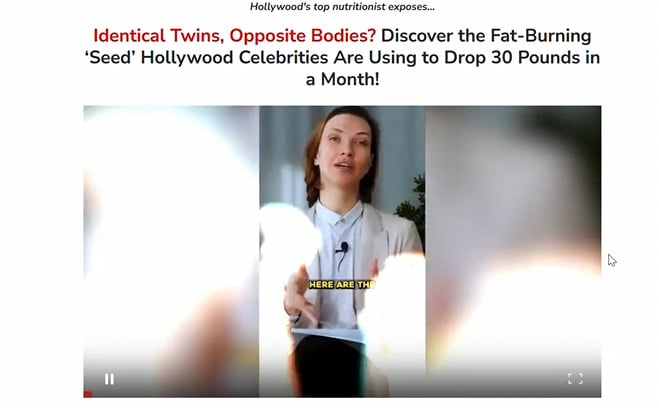
The viral weight loss trend centers around a woman who identifies herself as Dr. Emma Clark, described as “Hollywood’s top nutritionist” with over 12 years of experience in “functional weight loss.” Her name appears in video ads, social media posts, and clickbait articles promoting a supposed seed-based remedy for extreme fat loss. These promotions claim her method is backed by science and can result in dramatic body transformations within 30 days.
The pitch usually starts with a visually appealing video. It shows a talking head—often an AI-generated or filtered presenter—discussing a hidden fat-burning “seed” allegedly used by celebrities and endorsed by elite doctors. Viewers are teased with hints about a home remedy involving pumpkin seeds or a bedtime tea. But that’s just the surface.
Dig deeper, and you’ll find that no clear recipe is ever given. Instead, viewers are funneled into watching a long, suspense-filled sales video that gradually introduces a product called “Gut Drops.”
Here’s what stands out from the marketing content:
- No credible presence for Dr. Emma Clark: There are no verifiable academic records, medical licenses, or credible professional profiles to validate her identity.
- Recycled media: Images and videos used to promote the method often feature stock photography, AI-generated visuals, or altered celebrity photos. Some clips have been traced back to old, unrelated news articles.
- Dubious testimonials: Supposed success stories often lack full names, and photos are overly polished. Many appear to be stock images or AI-generated people.
- False claims of FDA approval: The promotional sites claim that the product is “FDA approved,” which is legally inaccurate. The FDA does not approve dietary supplements.
- No real product transparency: There is no ingredient list, manufacturer information, or safety data disclosed for the Gut Drops product.
- Misleading academic name-dropping: Institutions like Harvard or the “London Journal of Medicine” are referenced in vague ways to make the product seem credible.
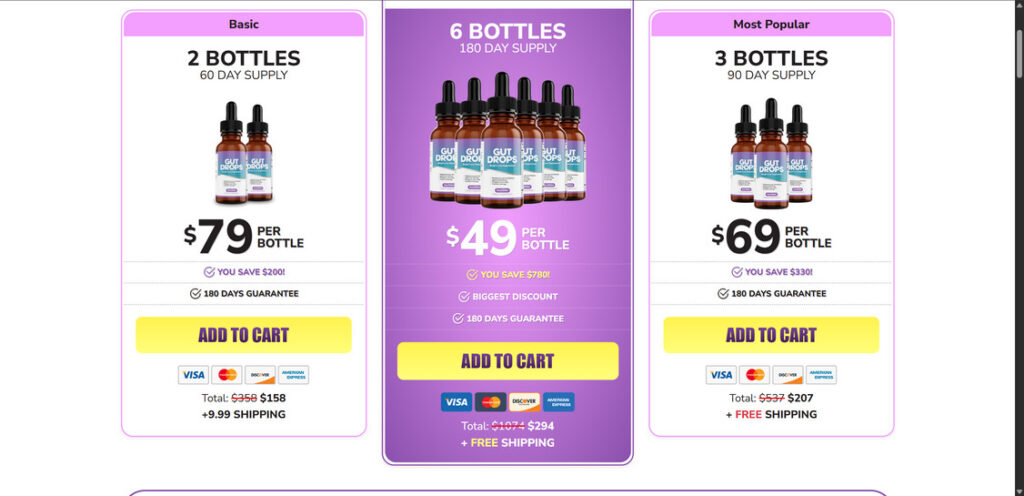
- Price manipulation: The only product available is an overpriced bottle of supplements ($69–$79), sold under urgency tactics like “limited stock” or “expires in 24 hours.”
The underlying goal is not to educate you about pumpkin seeds or a homemade remedy. It’s to move you down a carefully crafted sales funnel toward purchasing an unknown supplement from a shady vendor.
How the Operation Works
Here’s a detailed look at how the scam typically unfolds from the moment you encounter an ad to the moment you realize you’ve been misled:
Step 1: The Hook
You encounter a provocative headline: “Identical Twins, Opposite Bodies?” or “1 Sip Before Bed Melts Fat Overnight.” These are engineered to pique curiosity and create an emotional response. They use transformation stories, celebrity images, and urgent language to draw you in.
Step 2: The Click
You’re directed to a landing page with a dramatic headline and a video. The video promises to reveal a natural recipe, but only if you keep watching. The page may mention Dr. Emma Clark and show vague credentials, sometimes even fabricated reviews from major publications.
Step 3: The Long Video
The video plays out like a documentary, complete with somber music, emotional testimonials, and pseudoscientific claims. However, it never actually delivers a real recipe. Instead, it gradually shifts the narrative toward a product pitch—usually the “Gut Drops.”
Step 4: The Supplement Pitch
After investing time and trust, you’re offered a “limited-time” deal for Gut Drops. You’ll see phrases like “only 9 bottles left,” “free shipping expires in 5 minutes,” or “as seen on Shark Tank” (which is false). These pressure tactics push you toward a purchase.
Step 5: No Transparency
When you reach the checkout page, you’ll find that the product has no clear ingredient list, no company address, and often only a generic email or disconnected phone number for customer support. Once you place an order, there’s little assurance you’ll actually receive anything—or know what’s in the bottle.
Step 6: Follow-Up Scams
Many users report recurring credit card charges or being upsold on additional mystery products. There’s also a risk of having your personal data sold or used for future scams.
Step 7: The Exit Vanishes
By the time you realize something is wrong, the website may have disappeared, changed names, or redirected to a new product pitch under a different name. The scam continues in cycles, reusing the same script with small tweaks.
What to Do If You’ve Fallen Victim to This Scam
If you’ve purchased a product based on Dr. Emma Clark’s pumpkin seed recipe pitch or entered personal information into one of their sites, here’s what to do:
1. Contact Your Bank Immediately
Ask them to cancel the transaction and flag the merchant as potentially fraudulent. Request a chargeback if applicable.
2. Monitor Your Credit Card Statements
Check for recurring charges and report any unauthorized transactions right away. Many users report being charged again weeks later for unfamiliar products.
3. File a Complaint
Submit reports to the following authorities:
- Federal Trade Commission (FTC): www.reportfraud.ftc.gov
- Better Business Bureau (BBB): www.bbb.org
- Your State Attorney General’s Office: Look up your state’s consumer protection division.
4. Change Your Passwords
If you created an account or used a common password on the site, change your login information on any other platforms where you may have reused it.
5. Leave Reviews and Warnings
Help others avoid the trap by posting reviews on scam-reporting forums, Trustpilot, Reddit, or scamwatch communities.
6. Avoid Responding to Emails
Scammers may follow up with more offers or fake refund requests to re-engage you. Do not reply or click any new links.
7. Use Scam-Checker Tools
Before buying supplements online, research the company name, product, and “doctor” on scam databases and fact-checking sites.
FAQ: Dr. Emma Clark Pumpkin Seed Recipe Scam
What is the Dr. Emma Clark Pumpkin Seed Recipe?
The Dr. Emma Clark Pumpkin Seed Recipe refers to a viral online ad campaign that claims a simple bedtime remedy involving pumpkin seeds can melt away body fat rapidly. The video typically features a woman introduced as Dr. Emma Clark, a so-called expert in weight loss. However, no actual recipe is ever provided. Instead, viewers are redirected to purchase an unverified supplement called “Gut Drops.”
Is Dr. Emma Clark a real person?
There is no verifiable evidence that Dr. Emma Clark exists. Searches for her name yield no legitimate academic, medical, or professional credentials. Her presence appears to be limited to promotional videos and scam websites. Most likely, she is a fictional or AI-generated character used to lend fake credibility to the product.
What are Gut Drops?
Gut Drops are the actual product being sold under the guise of the pumpkin seed recipe. Despite marketing claims, these drops do not list their ingredients clearly and have no scientific validation. They are not FDA approved, and there is no transparency regarding the manufacturer. Customers have reported recurring charges and zero results.
Is there an actual pumpkin seed recipe for weight loss?
No. The campaign heavily implies a homemade recipe, but it never delivers one. The supposed pumpkin seed tea or drink is a bait tactic to hold viewer attention while transitioning to a high-pressure sales pitch for the Gut Drops supplement.
Are the before-and-after pictures and testimonials real?
Many of the before-and-after images used in these ads appear to be either AI-generated, taken from stock photo libraries, or stolen from unrelated celebrity transformations. The testimonials are vague and unverifiable, often using first names only or no names at all.
Is the product FDA approved?
No, the product is not FDA approved. The FDA does not approve dietary supplements. Any claim suggesting FDA approval in this context is misleading and likely illegal.
What should I do if I bought Gut Drops or shared my information?
If you made a purchase or shared personal data, take the following steps:
- Contact your bank to cancel the charge and report the vendor as fraudulent.
- Monitor your credit card statements for recurring or unauthorized charges.
- Report the scam to the FTC at reportfraud.ftc.gov and your state attorney general.
- Change your passwords if you created any accounts during the purchase process.
- Warn others by posting reviews on scam forums or watchdog websites.
How do I know if a weight loss ad is a scam?
Watch for these red flags:
- Promises of rapid weight loss without exercise or diet changes.
- No clear ingredient list or scientific backing.
- Use of fake doctors or untraceable experts.
- High-pressure sales tactics like countdown timers or “limited stock” alerts.
- Claims of FDA approval for supplements.
Has this scam been reported before?
Yes. Variations of this scam have been circulating for years under different names. They often reuse the same video format, voiceovers, and marketing language. The only thing that changes is the “doctor’s” name and the product branding.
What legal action can be taken?
You can report the scam to consumer protection authorities like the Federal Trade Commission (FTC), Better Business Bureau (BBB), or your state’s attorney general. If enough complaints are gathered, legal investigations can be launched. However, these scams often operate overseas or behind shell companies, making enforcement difficult.
Can I get my money back?
You may be able to get a refund through your credit card issuer by requesting a chargeback. It’s best to act quickly, as many scam sites disappear or disable contact information after a short period.
The Bottom Line
The Dr. Emma Clark Pumpkin Seed Recipe isn’t a breakthrough in weight loss. It’s a high-pressure marketing funnel built on manipulation, misinformation, and a product that lacks transparency. There is no credible evidence that Dr. Emma Clark exists, no real pumpkin seed tea recipe, and no FDA-approved supplement called Gut Drops.
What you’re seeing is a polished scam recycled across platforms to profit from desperate consumers. If you’re serious about losing weight, speak to a licensed nutritionist or doctor. Avoid miracle fixes that rely on secrets, urgency, and unverifiable claims.
Stay informed, stay skeptical, and always investigate before you buy. Your health—and your wallet—deserve better.








