

VitalBP arrives with the kind of promise that naturally catches attention. It offers a simple daily capsule for a problem many people already monitor closely.
The attractive page, medical language, and generous guarantee deserve a closer look before anyone enters payment details or changes an established health routine.
Overview
What VitalBP is selling
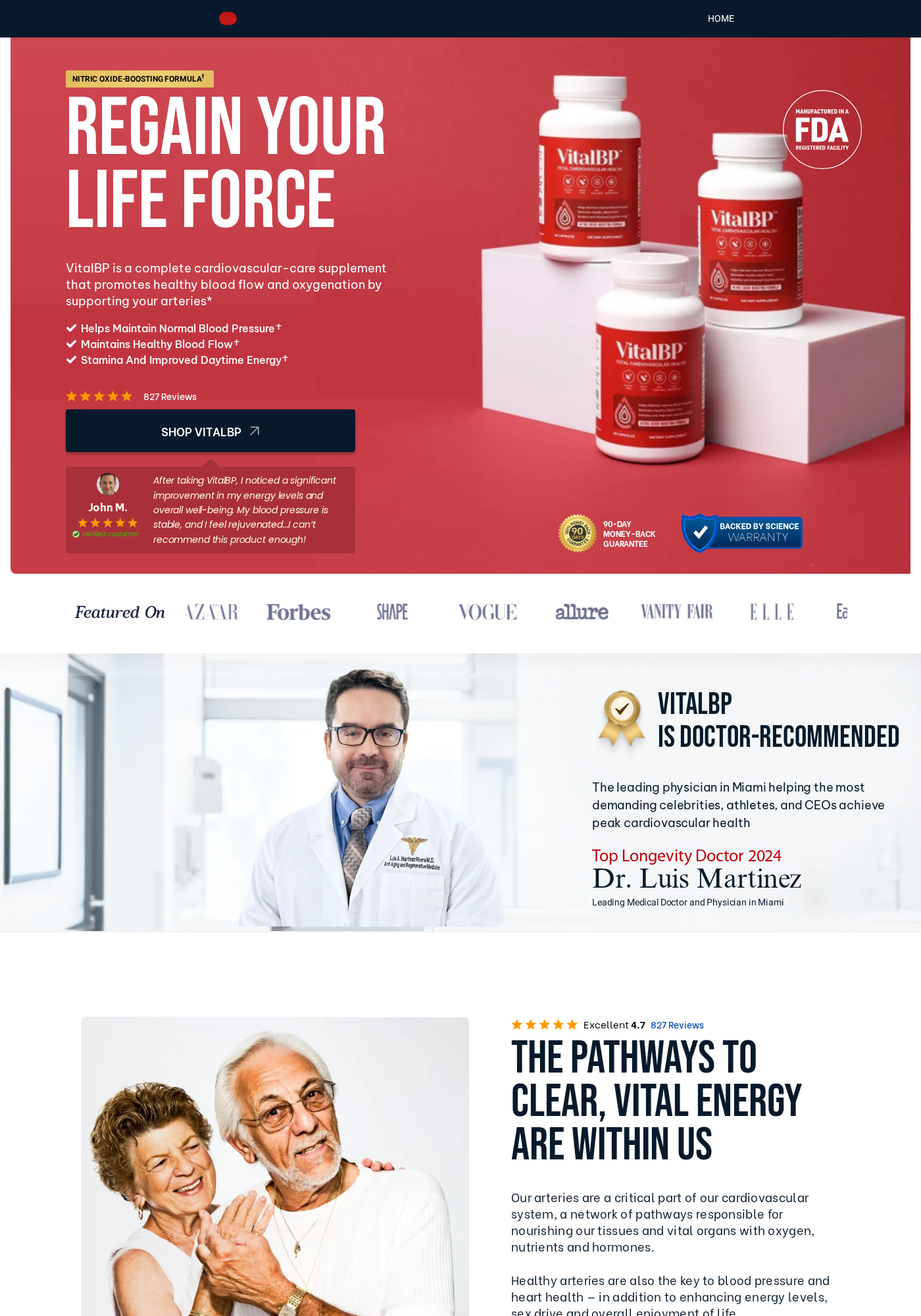
VitalBP is marketed as a cardiovascular supplement intended to support blood flow, normal blood pressure, stamina, oxygenation, and daytime energy.
The formula is presented around familiar ingredients, including L-citrulline, CoQ10, vitamin K2, vitamin D3, nattokinase, cacao, and wild blueberry.
Those ingredients are not secret inventions. Some have been studied individually, but research on an ingredient does not automatically validate this exact finished formula.
Why the advertising deserves scrutiny
The page uses a physician image, a “Top Longevity Doctor 2024” label, magazine logos, customer ratings, and language suggesting scientific support.
Each device adds credibility. Together, they can make a dietary supplement feel closer to a clinically proven treatment than the fine print supports.
The most important questions are not whether the page looks professional. They concern evidence, dosage, company identity, return conditions, and medical safety.
The main facts to check before ordering
A careful buyer should separate what the seller states from what independent evidence demonstrates. These are not the same standard.
- The seller describes VitalBP as a supplement, not an approved treatment for hypertension.
- The website displays health-support claims while also carrying the standard dietary-supplement disclaimer.
- The refund policy contains conditions that matter more than the large guarantee badge.
- The legal terms identify several related business names rather than only the brand on the bottle.
- Anyone taking medication should discuss the ingredient list with a qualified clinician.
Nothing on the page establishes that VitalBP can replace prescribed medication, medical evaluation, blood-pressure monitoring, diet, exercise, or other clinician-directed care.
Is VitalBP a Scam?
Our review did not establish that VitalBP is a nonexistent product or a purely fictitious checkout. The website identifies a seller and publishes terms and return rules.
That does not make every claim reliable. A real bottle can still be promoted through exaggerated benefits, selective evidence, confusing company names, or difficult refund conditions.
The responsible conclusion is narrower. VitalBP is a real supplement offer with marketing and policy details that consumers should examine critically before purchasing.
Calling every aggressively advertised supplement a criminal scam weakens useful warnings. The stronger approach is to identify the exact claims that remain unproven or unclear.
VitalBP’s landing page says it supports “normal” blood pressure. That phrasing matters because supplements cannot lawfully claim to diagnose, treat, cure, or prevent hypertension.
The footer disclaimer confirms that the statements have not been evaluated by the FDA and that the product is not intended to treat disease.
That disclaimer is easy to overlook after a page repeatedly connects the product with arteries, cardiovascular health, oxygenation, energy, and a doctor-led narrative.
What the Health Claims Actually Mean
“Supports normal blood pressure” is not a treatment claim
Marketing language often relies on verbs such as supports, maintains, promotes, or helps. These words sound reassuring while avoiding a direct promise to treat hypertension.
A buyer may still interpret the overall presentation as a medical solution, particularly when physician imagery appears beside blood-pressure and arterial-health language.
That gap between legal wording and consumer impression is where caution matters. Read the full label, not only the largest headline.
Ingredient studies do not prove the finished product works
CoQ10, L-citrulline, vitamin D, vitamin K, cacao compounds, and nattokinase have each attracted scientific interest for different reasons.
Evidence varies by ingredient, population, dose, preparation, study design, and outcome. It cannot be combined into a blanket promise for any capsule containing those names.
A finished supplement needs evidence about its own formulation, purity, dose, absorption, consistency, and safety. A list of scientific-sounding ingredients is not that evidence.
We did not find published clinical-trial results on the reviewed sales page demonstrating that VitalBP itself produces the broad outcomes highlighted in its advertising.
“FDA registered facility” does not mean FDA approved
The page displays a badge stating that the product is manufactured in an FDA-registered facility. That wording can easily be misunderstood.
Facility registration does not mean the FDA tested the bottle, verified every marketing claim, or approved VitalBP as safe and effective for high blood pressure.
Dietary supplements generally reach the market without the premarket approval process required for prescription drugs. Sellers remain responsible for lawful labeling and product safety.
The doctor endorsement needs independent verification
The website presents Dr. Luis Martinez as a leading Miami physician and “Top Longevity Doctor 2024.” The page does not clearly explain who granted that title.
Consumers should independently confirm a physician’s full name, specialty, active license, disciplinary history, practice address, and relationship with the seller.
A white coat, medical title, or polished biography does not demonstrate that the formula was independently tested or endorsed without compensation.
Likewise, publication logos should be checked individually. A row of famous names does not prove that each outlet tested or recommended the product.
How the VitalBP Sales Funnel Works
Step 1: The advertisement turns concern into urgency
The journey often begins with a health-focused advertisement discussing circulation, energy, arteries, nitric oxide, or readings that worry an older viewer.
The message feels personal because it names everyday concerns. It encourages the viewer to imagine one underlying problem connecting several symptoms.
That emotional framing can move attention away from the first medical question: what is causing the symptoms, and has a clinician evaluated them?
Step 2: The landing page layers credibility signals
Visitors see bottles, review counts, guarantee seals, publication logos, scientific vocabulary, ingredient graphics, and a physician-centered endorsement.
No single element proves deception. The concern is cumulative persuasion, especially when independent substantiation is less visible than the sales material.
Ratings shown on a seller-controlled page should not be treated like verified reviews collected by a neutral marketplace with transparent moderation rules.
Step 3: The offer emphasizes bundles and savings
Supplement funnels commonly make larger packages look economically sensible. Per-bottle prices fall as the buyer commits to more units.
Bundles increase the initial charge and complicate returns. A customer may assume every opened or unused bottle receives identical refund treatment.
That assumption can be wrong. The policy distinguishes single-pack purchases from multipacks and places specific obligations on the customer.
Step 4: The guarantee badge simplifies a detailed policy
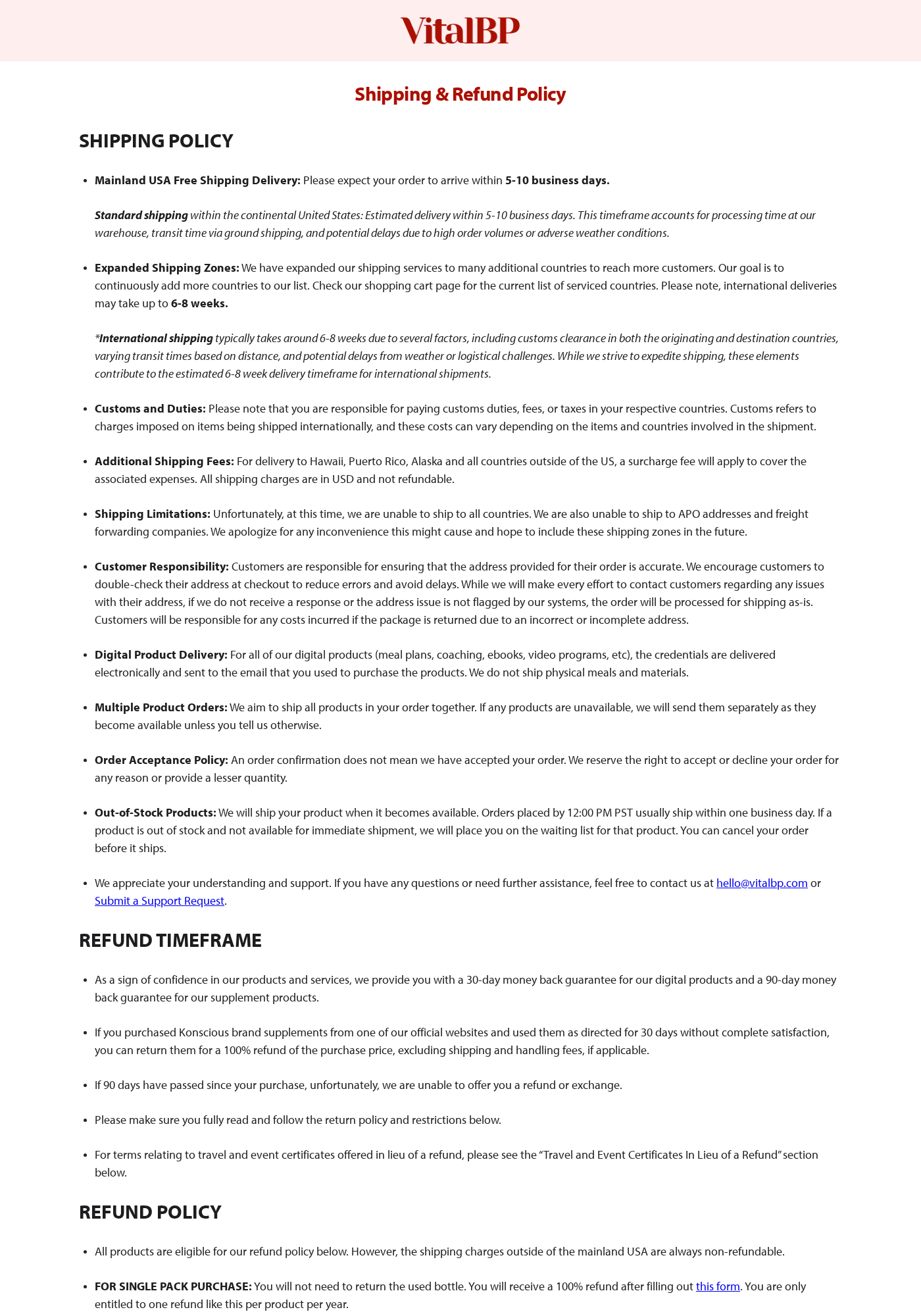
The sales page highlights a 90-day money-back guarantee. The policy explains that shipping and handling may be excluded from the refund.
For multipacks, the page says unused and unopened bottles must be returned. The customer may also face return-shipping costs and other stated deductions.
Orders cannot necessarily be canceled or modified after placement. That is important for anyone who notices a quantity mistake immediately after checkout.
Step 5: The buyer must manage health expectations separately
A refund policy addresses money, not medical risk. It does not make a supplement appropriate for every person or medication combination.
Someone who sees better home readings might credit the capsule while overlooking normal variation, measurement technique, other lifestyle changes, or prescribed treatment.
Someone who sees no improvement might delay care while waiting for a promised effect. Either interpretation can become dangerous without professional guidance.
Pricing, Returns, and Cancellation Details
Read the cart total before authorizing payment
Do not rely on the per-bottle figure printed beside a package. Confirm quantity, shipping, tax, discounts, and the final one-time charge.
Take screenshots of the selected package and completed order summary. They become valuable if the receipt shows a different amount or quantity.
A 90-day promise has operational conditions
The policy says supplements receive a 90-day refund window. It also describes limitations involving shipping, handling, multipacks, and unused bottles.
Return eligibility can depend on when the request is opened, which bottles were used, whether unopened units are returned, and whether instructions were followed.
Ask support for written authorization before mailing anything. Keep tracking, packaging photographs, the return address, and every message exchanged.
Check for recurring billing at the payment stage
During our review, the public policy did not prove that every VitalBP order automatically enrolls customers in recurring shipments.
Still, buyers should inspect the actual checkout for preselected subscription options, continuity language, future-delivery schedules, or discounted recurring prices.
The definitive evidence is the order screen and receipt, not assumptions based on another supplement sold through a similar-looking funnel.
Safety Questions to Ask Before Taking VitalBP
Blood pressure is not a cosmetic metric. Extremely high readings, chest pain, weakness, confusion, shortness of breath, or neurological symptoms need urgent medical attention.
Do not stop or reduce prescribed medication because a supplement advertisement promises natural cardiovascular support. Abrupt changes can create serious risk.
Nattokinase may be relevant to bleeding risk, particularly for people using anticoagulants, antiplatelet medicines, or preparing for surgery.
Vitamin K can matter for certain anticoagulant regimens. L-citrulline and other ingredients may also affect blood pressure or interact with medications.
Pregnancy, kidney disease, liver disease, allergies, upcoming procedures, and multiple prescriptions all warrant individual professional advice.
Bring the complete Supplement Facts panel to a pharmacist or clinician. Brand slogans do not provide the dose-level detail needed for an interaction review.
Company, Address, and Fulfillment Checks
The bottle name is not the complete business identity
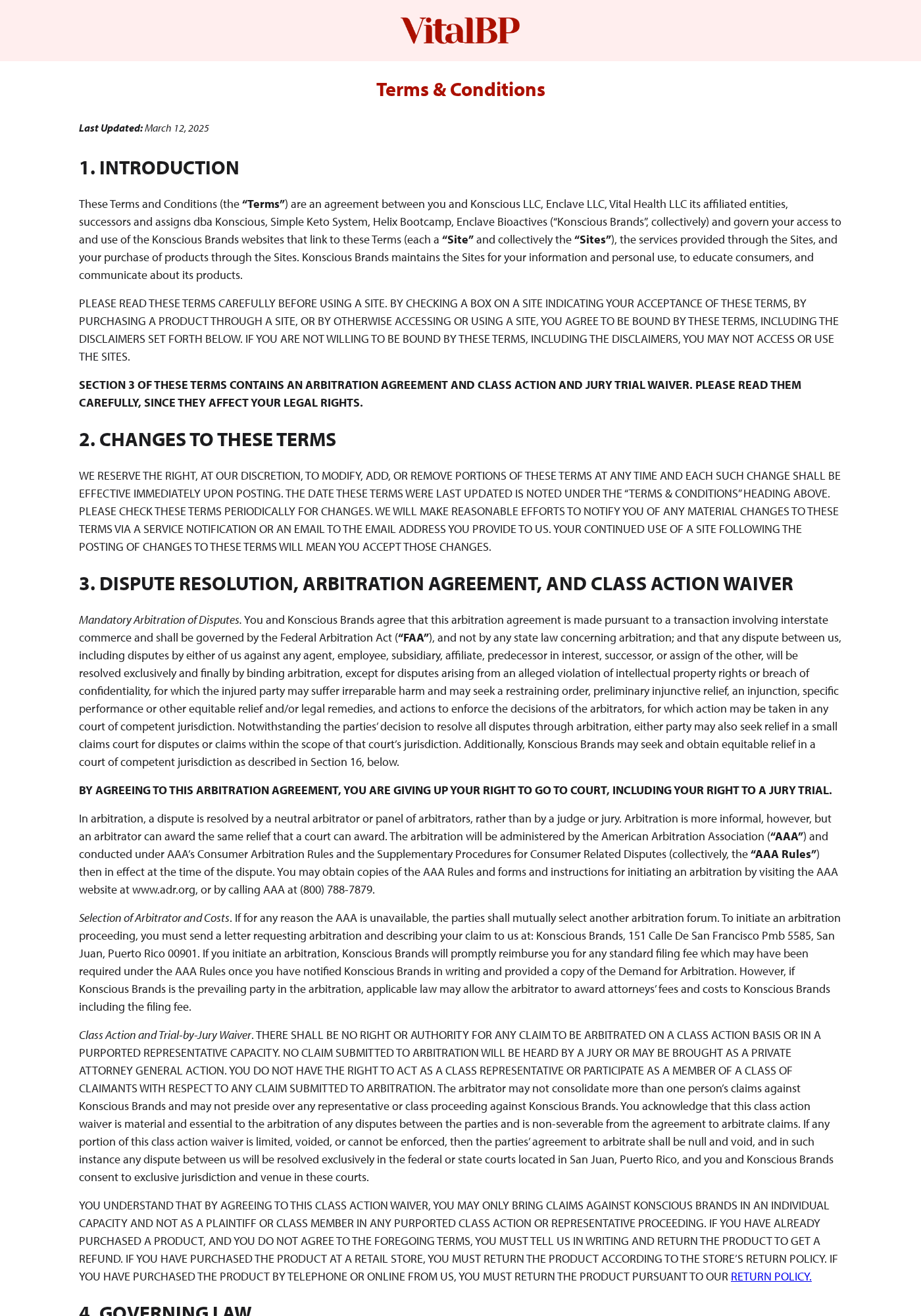
The reviewed terms mention Konscious LLC, Enclave LLC, Vital Health LLC, and several brand aliases. That is more complex than the single VitalBP name.
A legitimate corporate network can use multiple entities. Consumers still need to know which entity charged the card and which one handles returns.
Compare the checkout descriptor, email receipt, package label, privacy policy, terms, and bank statement. Material differences deserve written clarification.
An address must have a clear purpose
The terms list 151 Calle De San Francisco, PMB 5585, San Juan, Puerto Rico 00901 for formal notices connected with Konscious Brands.
A PMB can be a commercial mailbox rather than an operating headquarters, factory, laboratory, or returns warehouse. Those functions are not interchangeable.
Never mail a return to a legal-notice address unless support confirms it in writing. Unauthorized returns can be rejected or become difficult to trace.
Support should answer precise questions
Before ordering, ask whether the purchase is one-time, how many bottles will arrive, what appears on the card statement, and where returns go.
Useful support provides direct, consistent answers. Repeated scripts, silence, shifting instructions, or refusal to confirm cancellation terms are practical warning signs.
Save the full conversation. A promise made in chat or email can help if the delivered order conflicts with the stated terms.
Supply-chain transparency matters for ingestible products
The reviewed page says the product is made in an FDA-registered facility, but that phrase does not identify a manufacturer or prove independent batch testing.
Ask for the Supplement Facts panel, lot number, expiration date, country of manufacture, responsible distributor, allergen statement, and accessible quality documentation.
Unknown mass-produced supplements can contain inconsistent doses, contaminants, undeclared compounds, or ingredients unsuitable for particular conditions.
A fulfillment center can ship bottles while knowing nothing about formulation or medical claims. Shipping capability is not evidence of manufacturing quality.
What to Do if You Bought VitalBP and Regret It
- Do not change prescribed treatment. Continue clinician-directed care unless your prescriber advises otherwise. Seek urgent help for severe symptoms or dangerously high readings.
- Document the order immediately. Save the advertisement, checkout, receipt, package selection, policy, card descriptor, delivery label, and every support exchange.
- Check the exact quantity and charge. Compare the receipt with the package you selected. Report unexplained additions or duplicate charges promptly.
- Contact support in writing. State the order number, purchase date, requested remedy, and policy provision. Ask for a case number and return authorization.
- Follow the return instructions carefully. Keep unopened bottles sealed when required. Use tracked shipping and photograph the package before sending it.
- Monitor the payment method. Look for later charges. If an unauthorized charge appears, notify the issuer and ask about dispute options.
- Report misleading health claims. In the United States, complaints can be sent to the FTC and adverse reactions can be reported through FDA MedWatch.
- Secure the device used for checkout. If a suspicious advertisement redirected through unfamiliar pages, scan with Malwarebytes and use AdGuard to reduce malicious ads and trackers.
Stay calm and work from records. Clear dates, screenshots, tracking numbers, and written requests are more effective than repeated calls without documentation.
Frequently Asked Questions
Is VitalBP an FDA-approved blood-pressure treatment?
No. VitalBP is sold as a dietary supplement. A claim about an FDA-registered facility does not mean the product is FDA approved.
Can VitalBP replace blood-pressure medication?
No advertisement should be used to make that decision. Only a qualified clinician who knows your history should adjust prescribed medication.
Does the 90-day guarantee cover every cost?
Not necessarily. The published policy describes exclusions and conditions involving shipping, handling, multipacks, unused bottles, timing, and return procedures.
Is every VitalBP purchase a subscription?
We did not verify that every purchase automatically renews. Inspect the selected checkout option, recurring-delivery language, receipt, and later statements.
Are the ingredients automatically safe because they are natural?
No. Natural substances can cause side effects, interact with medicines, affect surgery, or be unsuitable for particular medical conditions.
What is the biggest VitalBP red flag?
The central concern is the distance between persuasive medical-style presentation and the limited product-specific evidence visible to an ordinary buyer.
The Bottom Line
VitalBP appears to be a real supplement offer, but its polished medical framing should not be mistaken for proof that it treats hypertension or replaces professional care.
Check the formula, seller identities, checkout, guarantee conditions, and interactions before paying. If the claims feel stronger than the evidence, walking away is reasonable.








