

A cheaper insurance quote is tempting when your renewal notice has just arrived. MidasRates offers a quick route to compare options.
The price you might save is only one part of this decision. It is worth knowing what happens to your information along the way.
Overview
A comparison form, not an insurance carrier
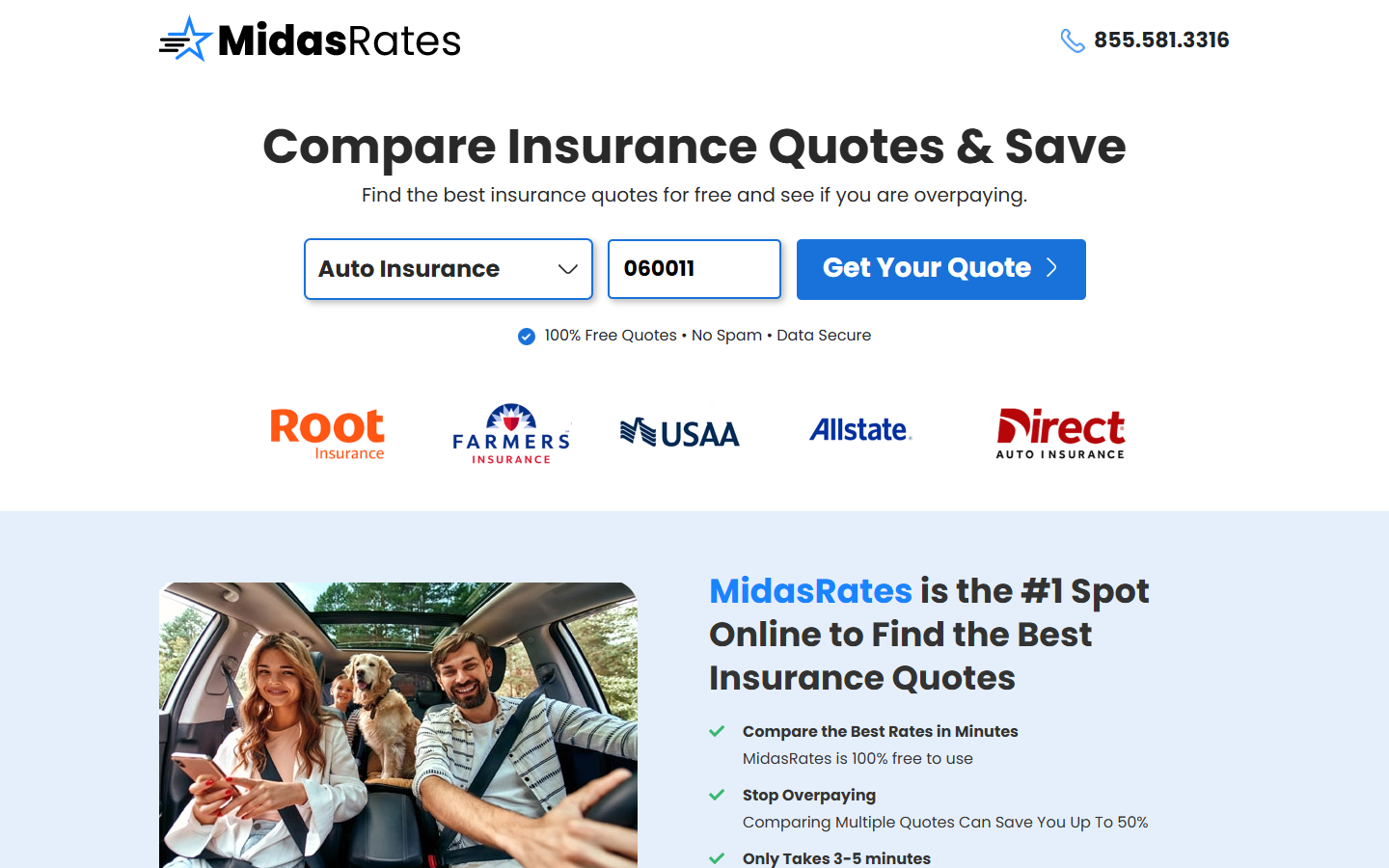
MidasRates invites visitors to seek insurance quotes through a short online form. Its marketing emphasizes free quotes, data security, and no spam.
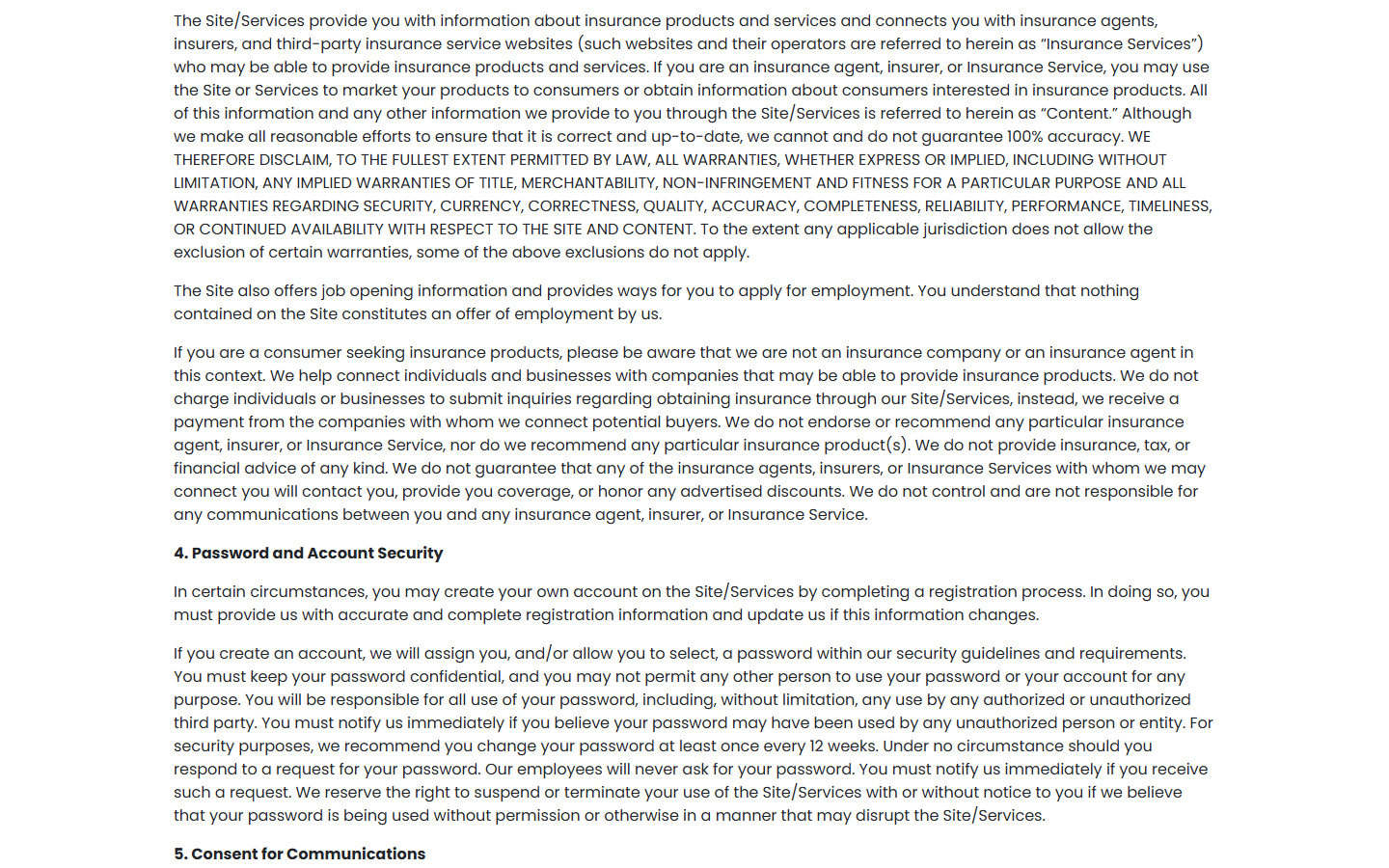
It does not sell or underwrite a policy itself. Its privacy policy describes a lead-generation business connecting people with insurers, agents, or comparison partners.
That business model is not inherently fraudulent. Insurance comparison services often earn referral fees while letting consumers submit an inquiry without paying.
The important issue is whether the visitor understands the full exchange: a quote opportunity in return for contact and potentially other personal data.
The privacy policy says information may be sold
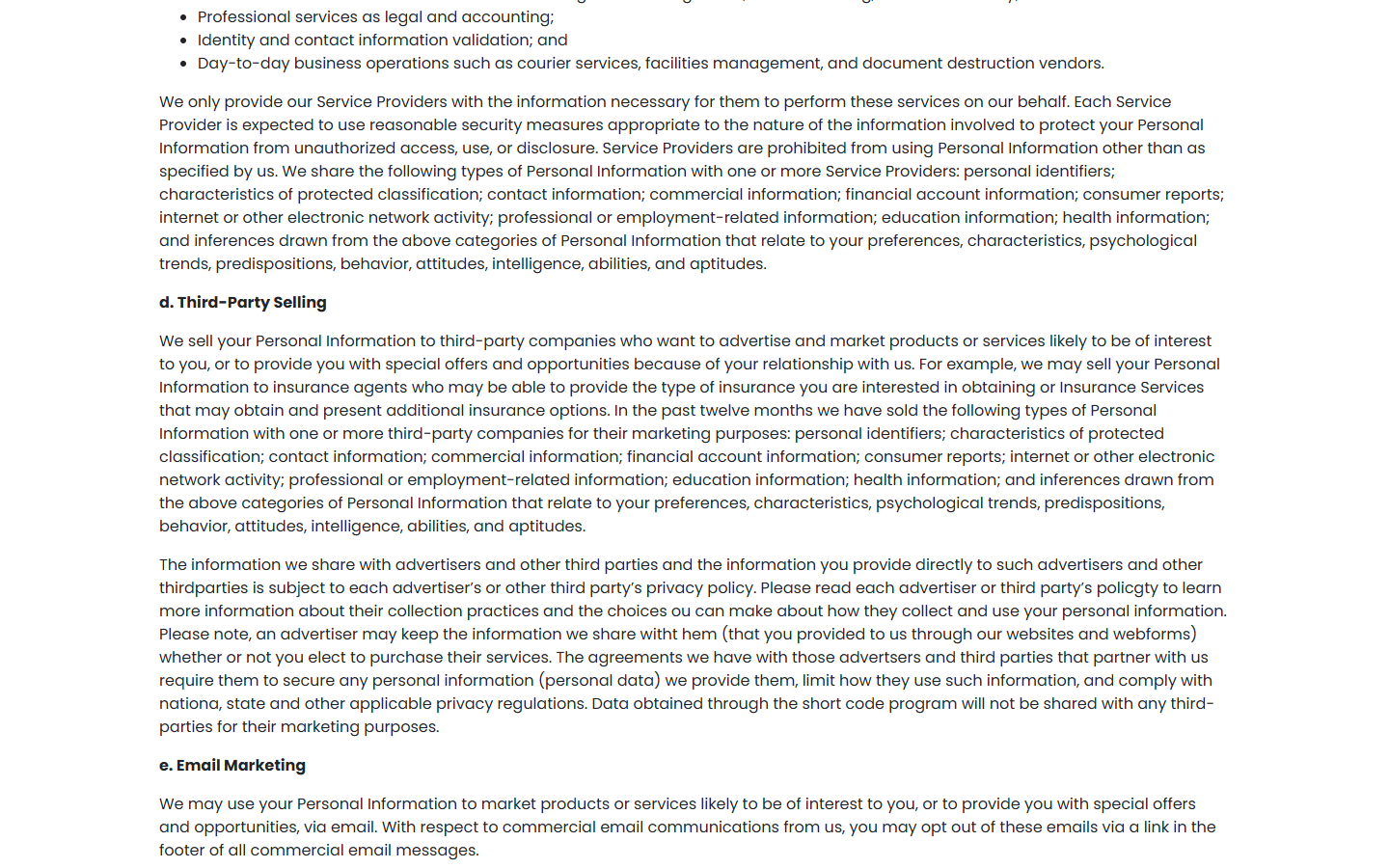
The policy includes an unusually direct section titled “Third-Party Selling.” It says the company sells personal information to outside companies for marketing.
Those companies may include insurance agents who can present coverage options. The policy also describes categories of data shared with service providers and partners.
That is materially different from a private calculation inside one insurer’s website. Your information may travel beyond the page where you entered it.
Why the homepage promise needs context
“No spam” sounds reassuring, but the same site’s policy describes promotional emails and contact from partners. Those statements deserve to be read together.
They are not automatically contradictory. The company may distinguish authorized marketing from spam. A consumer may experience repeated outreach very differently.
We did not submit a real person’s details, so we cannot count the calls or emails any particular visitor would receive.
- MidasRates is an insurance lead and comparison service, not the company that would issue your policy.
- The homepage promotes free quotes and says “No Spam.”
- The privacy policy says personal information may be sold to third parties.
- Partner contact, targeted marketing, and tracking are described in the legal disclosures.
- These findings support a privacy warning, not a claim that the service is a confirmed scam.
What You Give Up for a Free Insurance Quote
Contact details are the core asset
An insurance application can request a name, phone number, email, ZIP code, vehicle details, home information, and current coverage.
Those details help match you with a quote. They also make you a valuable sales lead for companies seeking potential policyholders.
MidasRates explains that it may earn money when a person is connected with an insurer or related provider. Free to you does not mean unmonetized.
Ask who will receive your information before you type it. An agreement allowing broad partner sharing can be more consequential than the first quote.
If you only want to compare premiums, see whether an insurer offers a direct quote without sending your details to multiple marketers.
“Secure” does not mean “shared with nobody”
A site can use encryption and still intentionally transfer data under its privacy policy. Technical security and the business purpose of sharing are separate questions.
Look beyond padlock symbols and payment badges. Those indicators do not describe how many companies may use your contact information later.
The policy lists service providers, advertisers, and other third parties in different roles. Each category may have a different reason for receiving information.
Check whether a recipient acts only on MidasRates’ instructions or uses the data for its own marketing. That distinction matters for opt-outs.
Once a lead has reached an independent partner, deleting one account may not automatically erase every copy already lawfully transferred.
The categories go beyond a telephone number
The policy describes personal identifiers, contact information, commercial information, internet activity, and inferences about preferences and behavior.
It also lists categories that can include financial information, consumer reports, health information, and employment-related information in certain contexts.
That broad list does not prove every visitor supplies every listed field. It describes what the policy permits or says was handled.
Before completing a form, check each field. If a question feels unnecessary for the quote you seek, consider using a direct carrier site instead.
Do not invent answers to get past a form. Inaccurate insurance information can make a quote useless and create problems with an eventual policy.
Website behavior can be observed too
The policy describes collection of browsing interactions and technologies that may record sessions or activity on the site.
That can help a business diagnose forms and measure advertising. It also means the data exchange may begin before you hit Submit.
Review cookie choices where available and avoid entering sensitive details into a form you do not intend to send.
Closing the tab may not reverse data already collected through cookies or scripts. Browser privacy settings can limit some future tracking.
For a careful comparison, use a separate email address or telephone screening option if the form permits it. Never provide a number you cannot monitor.
How the MidasRates Quote Journey Works
Step 1: A savings claim catches your attention
A driver facing a higher renewal rate searches for a cheaper policy. The site offers a free, convenient way to compare possibilities.
The pitch is plausible because shopping around genuinely can produce different premiums. That does not tell you how the comparison service makes money.
Pause on the homepage and find the privacy policy before beginning the questionnaire. The most important terms may not fit beside the call-to-action button.
Step 2: The form narrows your insurance profile
Questions about location, vehicle, driving history, or household help partners decide which leads they want and which quotes they can offer.
Provide only information required for a legitimate quote. If the page asks for a Social Security number at an early comparison stage, reconsider.
We did not run a completed application, so we cannot describe every field or consent box shown to every visitor.
Step 3: Consent may authorize future contact
Read the text directly above the final button. Consent wording can allow calls, texts, or emails from the site and marketing partners.
Check whether consent is required to get a quote and whether an automated dialer is mentioned. Do not rely on the homepage’s “No Spam” slogan alone.
Save a screenshot of the consent text. If outreach later feels excessive, you will know which communications were represented as authorized.
Step 4: A lead can move to several companies
MidasRates says it may sell personal information to third parties interested in advertising services likely to appeal to the visitor.
An insurer, agency, comparison site, or marketing partner may then evaluate the inquiry. Some may contact you promptly; others may not offer a useful quote.
Being contacted is not proof that an identity was stolen. It may reflect the consent and data sharing built into the lead-generation model.
Step 5: The eventual policy is a separate transaction
If an agent calls, verify the agent and carrier independently. Search the company name and licensing information through your state’s insurance department.
Ask for written premiums, coverage limits, exclusions, deductibles, fees, and the policy issuer’s full name before giving payment details.
Do not assume the first offer is the lowest or that a comparison page checked every insurer in the market.
Step 6: Marketing may continue after the quote
The site’s policy discusses promotional messages and opt-out methods. An unsubscribe from one sender may not stop outreach from every independent recipient.
Keep a simple log of callers, dates, and businesses. It makes requests to stop contact more precise and helps identify repeat offenders.
If a caller claims to be your current insurer, hang up and use the number on your policy card or official account.
How to Check the Company and Its Data-Sharing Terms
Identify the intermediary before the insurer
The MidasRates terms of use and privacy policy are the first documents to read. They describe the website’s role and limits.
Do not confuse a quote-comparison brand with a regulated insurance carrier. The carrier is the entity that would issue and honor a policy.
Ask whether MidasRates itself is acting as an agent in your state or simply passing the inquiry to licensed professionals.
If a partner later claims that your quote is approved, ask for the carrier’s identity and written underwriting terms before making any payment.
A comparison company can operate a legitimate business while offering a limited selection of partners. Ask which carriers participate and which do not.
If the answer is vague, compare a direct quote from at least two carriers outside the platform. That gives you a reference point.
Follow the contact trail
Search the legal operator named in the site’s current terms, then compare the same name with any consent notice and confirmation email.
If different entities appear, ask what role each plays. One may run advertising while another buys leads or sells a policy.
Do not use an incoming call as the only evidence of a business’s identity. Find the carrier’s official website independently and call its published number.
Keep the names of every entity you speak with. That record makes later privacy requests and complaints easier to direct.
Find the opt-out route before submitting
A readable privacy policy should explain how to request access, deletion, or a stop to sale or sharing where applicable.
Use the exact method specified rather than replying to every unknown number. Keep copies of your requests and any confirmation.
Consumer privacy rights differ by location, and an opt-out may not retroactively remove information already shared for a lawful purpose.
If multiple companies contact you, address each identified recipient separately. One company’s unsubscribe does not necessarily bind another company.
Compare the quote, not just the headline
A lower monthly premium may hide a higher deductible, reduced liability limit, missing driver, or a shorter policy period.
Get each quote in writing and compare the same coverage levels. Otherwise the apparent savings are not an apples-to-apples result.
For auto insurance, confirm whether roadside assistance, rental coverage, and comprehensive or collision protection are included only when needed.
For home coverage, examine replacement-cost rules, flood exclusions, and wind or hurricane deductibles rather than focusing only on the first annual price.
A licensed independent agent can also compare options. Ask that agent how your data will be used and whether it goes to other marketers.
Pay attention to effective dates. A cheap quote starting next month may leave a coverage gap if your present policy ends earlier.
Likewise, a promotional payment schedule can differ from the full term’s cost. Ask for the total premium and all installment fees.
Before canceling existing coverage, make sure the new insurer has accepted the application and issued proof of active coverage.
What to Do if You Already Submitted Your Details
- Save the submission context. Record the exact domain, date, form confirmation, consent wording, and any emails that arrived afterward.
- Separate legitimate quotes from marketing. Ask callers to identify their company, carrier relationship, and the source of your lead. Verify them independently.
- Use the published privacy choices. Request the available opt-out or deletion option through MidasRates, and keep a copy of the request.
- Contact each persistent sender. Unsubscribe from emails and tell identified callers to stop where appropriate. Maintain a log if contact continues.
- Protect sensitive data if overshared. If you entered a Social Security number or financial account detail, ask a trusted identity-protection authority about freezing credit or securing accounts.
- Challenge false charges separately. A free quote should not itself require a mystery payment. Contact the card issuer if an unauthorized charge appears.
Receiving a few sales calls after submitting an insurance lead is not automatically evidence of criminal misuse. The policy itself describes marketing and data sharing.
Still, you can reduce the nuisance and prevent a genuine impersonator from exploiting the situation. Never give a caller a one-time verification code.
If a stranger already knows your name and car model, that familiarity does not prove they work for an insurer. Verify through an official number.
If you submitted a driver’s license image, policy document, or detailed household information, consider a more focused privacy and identity review.
Ask which recipient received those materials and how long they are kept. A general email unsubscribe does not answer that question.
Frequently Asked Questions
Is MidasRates an insurance company?
No. Its policy describes a comparison and lead-generation role. Any policy you purchase would come from an identified insurer, subject to that insurer’s terms.
Is MidasRates a confirmed scam?
Our review does not establish that. The documented concern is commercial data sharing and marketing that a visitor may not expect from the homepage pitch.
Why is a free quote valuable to the site?
A completed inquiry can be sold or referred to agents and other providers. The site may earn revenue even if you pay nothing.
Does “data secure” mean my information stays private?
No. Security addresses unauthorized access. The privacy policy separately allows intentional sharing and sale under its stated terms.
Will every visitor receive many calls?
We cannot predict that. The number of contacts depends on your submission, consent, partners, and local marketing rules.
Can I stop my information from being sold?
Check the current policy for available privacy requests. Make the request promptly, and contact any partner that already received your data if necessary.
The Bottom Line
MidasRates offers a real comparison route, but the trade is not merely a few minutes of your time. Its policy expressly permits selling personal information.
Read the consent and privacy terms before submitting. If you proceed, compare written policies carefully and verify every agent who follows up.








