

You need money quickly, and a page offers to compare loans in minutes. The form looks simple: choose an amount, answer a few questions, and wait.
With Crezu, the first question is not whether the button works. It is who receives your details after you press it.
Overview
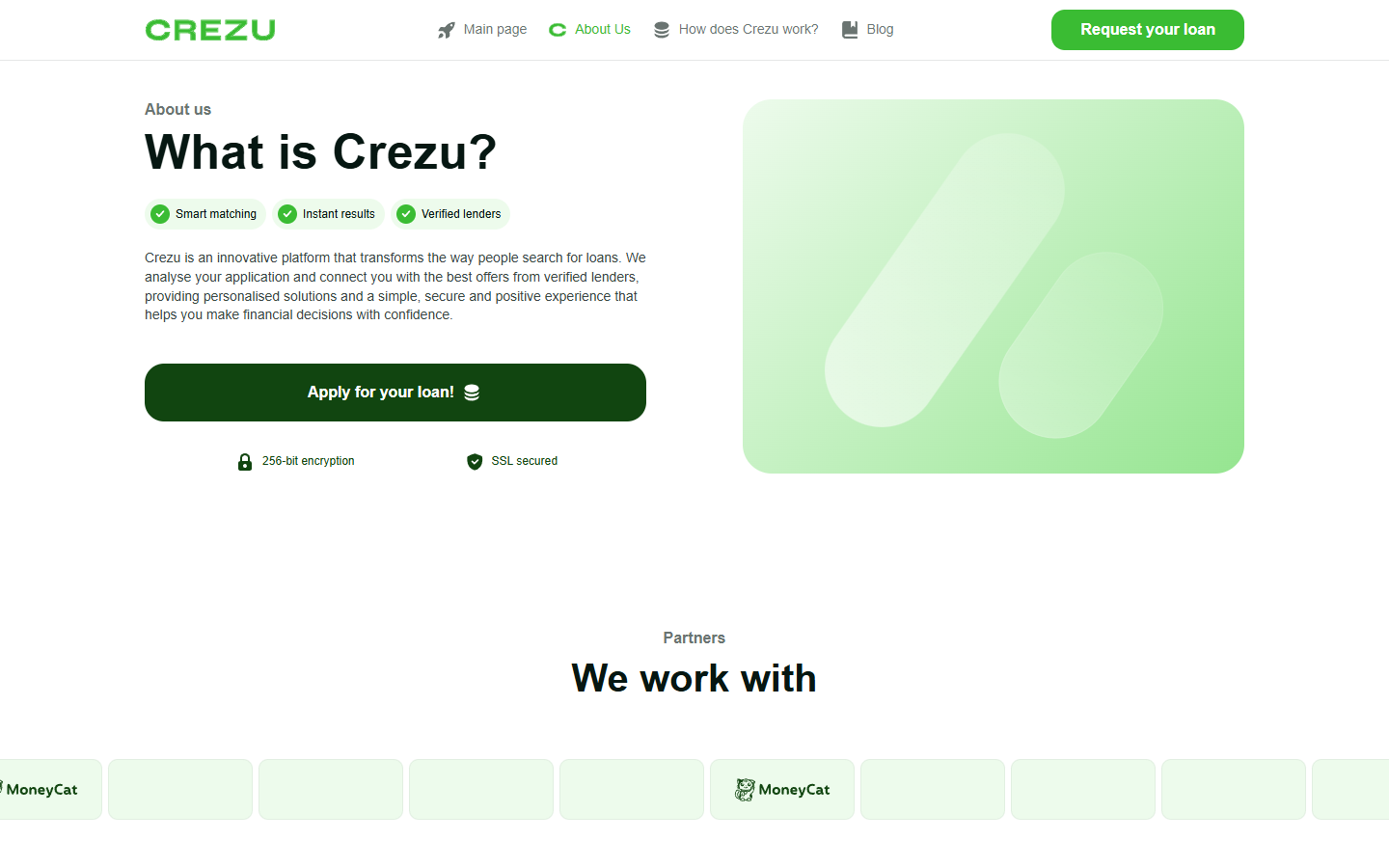
Crezu is a matching service, not the company lending money
Crezu.ph presents itself as a way to find personal loan offers. Its terms say it is not a lender and will not provide financing directly.
The site collects an application and presents it to one or more lenders or financial-service providers in its network.
If a provider accepts the application for consideration, the visitor may be sent to that provider’s website to continue.
That makes Crezu a lead-generation and comparison step. Approval, interest, repayment terms, and collection practices belong to the eventual lender’s agreement.
The headline rate is not a personal loan offer
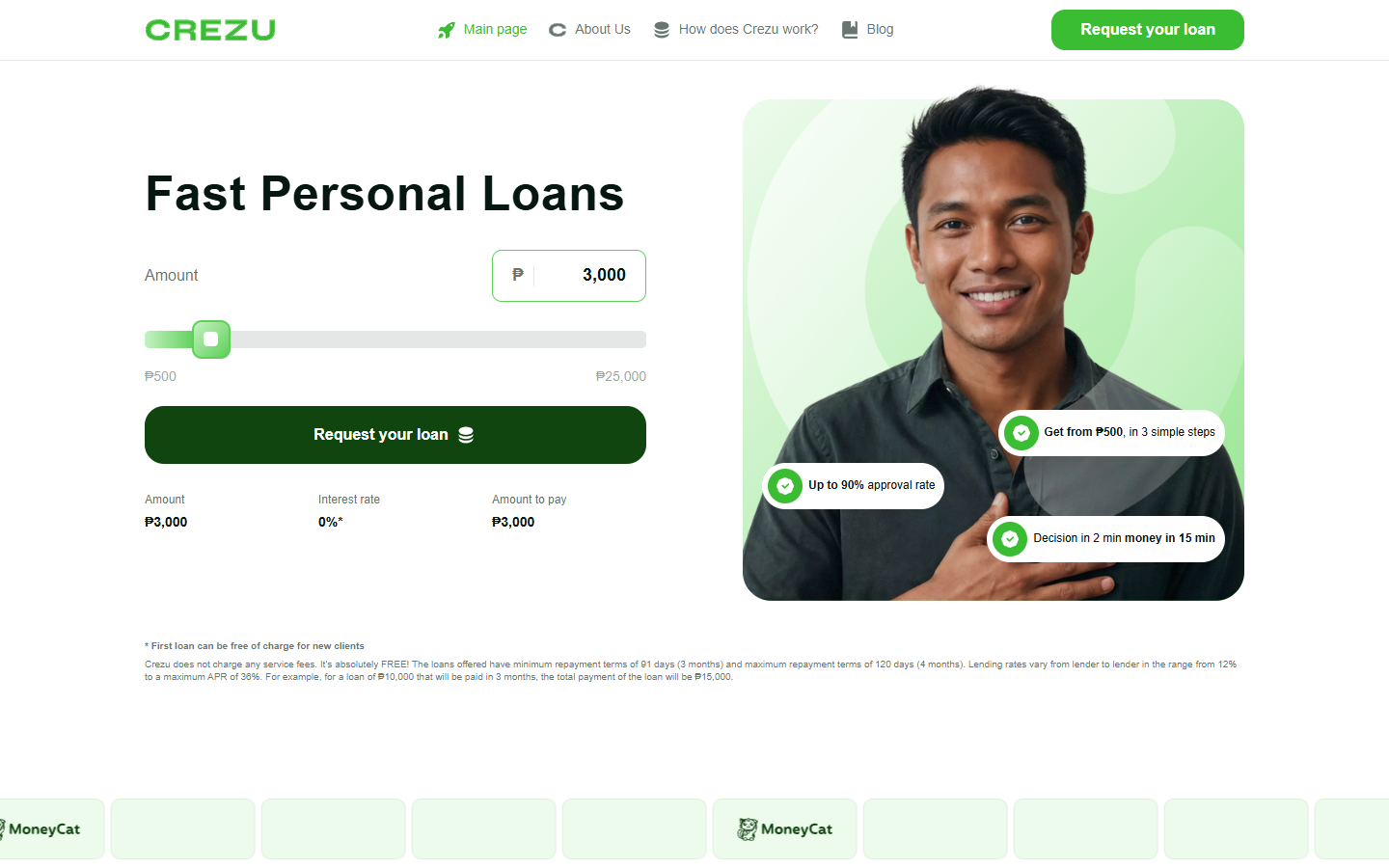
The homepage we inspected displayed a promotional 0% example beside a loan amount. Smaller text described conditions for first-time customers.
Crezu’s own terms warn that representative amounts and rates are examples, not a guarantee of what a particular lender will offer.
Even a quick match does not promise approval. Lenders can assess credit history and other financial details before making a decision.
The safest comparison is the actual written offer from the named lender, including the annual percentage rate, fees, payment schedule, and total repayment.
Submitting the form can spread sensitive information
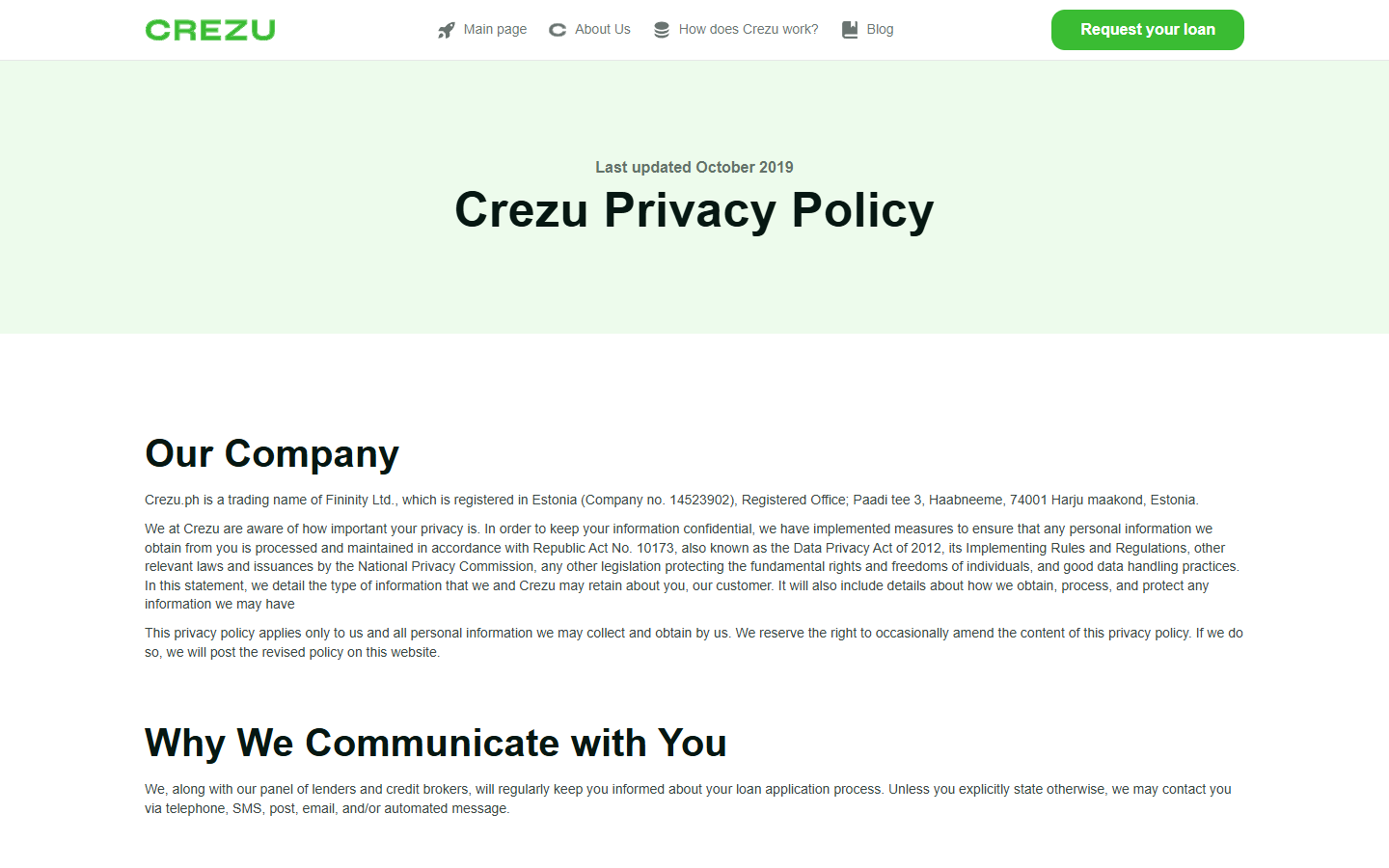
Crezu’s privacy policy lists name, address, birthdate, income, bank-account details, phone number, and other application information.
It says information may go to lenders, credit brokers, and, under stated circumstances, third parties for marketing.
Its terms say the service may be paid by a lender for connecting a customer. The site says it does not charge the applicant a service fee.
We found an operating service with detailed policies. This is not a finding that Crezu itself is a scam. The issues to inspect are:
- Whether you want a lender comparison or a direct loan application.
- Which companies will receive your financial information.
- Whether the displayed rate is conditional or merely illustrative.
- How to withdraw marketing consent and request data removal.
- Whether the eventual lender is properly authorized in your location.
What the Fast-Loan Screen Does Not Show in Large Type
A borrower sees a fast process and may assume Crezu makes the credit decision. The terms describe a different sequence.
Crezu collects details, checks partner criteria, and routes the application. One or more providers can see the request before an offer appears.
The site says a partner may pay it for a successful introduction. That does not automatically mean the suggested loan is the cheapest available.
Comparison platforms are limited by their participating network and commercial arrangements. A customer should compare outside the platform too.
Crezu also says it is not responsible for a lender’s final interest rate or decision. That matters when an advertisement creates an impression of certainty.
Take the attractive sample figure as a reason to read further, not as a quote addressed to you.
The same caution applies to time claims. A quick matching decision is not identical to signed financing or funds in a bank account.
How the Crezu Loan-Matching Journey Works
Step 1: A fast-loan message attracts a borrower
The homepage uses speed, a simple slider, and a visible example rate to lower the friction of beginning an application.
For someone facing rent, medical bills, or overdue payments, the promise of a quick decision can be emotionally powerful.
Slow down before entering any information. Financial pressure makes it easier to miss the difference between “request a loan” and “receive a loan.”
Check the full page and its footnotes. Rates, eligibility, and repayment periods may be narrower than the headline suggests.
Step 2: The form requests personal and financial information
Crezu’s privacy notice describes information ranging from identity and contact details to income and bank-account data.
That is sensitive material. A visitor should know the operator and purpose before treating the form like a casual price calculator.
Do not provide passwords, one-time codes, or card security codes to someone claiming a preapproval. Those details are not ordinary comparison inputs.
If the form sends you to another domain, verify the new lender’s identity before providing further documents or payment information.
Step 3: The application is shown to partner providers
Crezu’s terms say it may present an application to one or more lenders or providers in real time, based on lending criteria.
The process can continue until one provider accepts the application for further consideration or all partners decline it.
Being routed onward is not the same as a final loan approval. The receiving lender may still conduct credit, identity, and affordability checks.
Ask exactly which partner received your details. Keep a record of redirects and messages if you later need to identify a caller.
Step 4: A lender displays its own terms
The lender, not Crezu, determines the binding credit offer. A sample rate on an introduction page cannot replace the lender’s disclosure statement.
Compare the annual percentage rate with the actual total repayment. Fees, term length, and late-payment consequences can matter more than the first installment.
Philippine regulators require clear disclosures from authorized lending and financing companies. Read them before accepting a loan.
If a provider refuses to name its legal entity or provide written loan terms, stop. A rushed phone promise is not enough.
Step 5: Follow-up messages may continue
The policy says Crezu and associated providers may contact applicants by phone, SMS, email, post, or automated message.
It also describes marketing uses and a way to withdraw consent. That means a comparison request can produce more contact than one loan quote.
Not every later message is necessarily from Crezu. Confirm the sender before responding to requests for additional data or a fee.
A genuine lender can explain its company name, authorization, terms, and official contact channel without asking you to trust an unknown text link.
Step 6: Information may remain after the decision
Crezu’s privacy policy says application information may be retained for at least six years after the relationship ends, subject to stated reasons.
It also says an applicant can request access, correction, objections, or erasure under applicable conditions.
Withdrawal from marketing does not necessarily erase a loan application already sent to a lender. Each recipient may have its own retention duties.
If privacy is your main concern, make a specific written request and ask which partners received the data.
Company, Address, and Lender Checks
The Crezu brand is not the lender’s legal entity
The Crezu.ph terms name Fininity Ltd in Estonia; the page footer refers to Fininity OÜ with the same registration number.
We can verify what the website says, but did not independently reconcile the corporate naming in an Estonian registry during this review.
More importantly, the actual loan contract should identify the Philippine lender or financing company responsible for repayment and support.
The Estonia address does not identify your credit provider
The published address is for the platform operator. It is not proof that a specific local lender works from that address.
Before signing, verify the lender’s own registered name, physical address, official website, and authorization status through relevant Philippine channels.
The Philippine SEC publishes lending-related notices. Check the named provider, not just the comparison brand.
Support requests should go to the right party
Crezu lists contacts for privacy and complaints. A loan-payment or collection issue may need the actual lender’s customer-service channel.
Do not assume one unsubscribe request resolves every lender contact. Ask for the partner names and make separate requests when necessary.
Keep copies of all correspondence. A dated request is useful if marketing messages continue after an opt-out.
The data chain is the main supply chain here
There is no physical product or return warehouse to investigate. The meaningful chain is applicant, platform, broker, lender, and any marketing recipient.
Crezu’s policy describes sharing with lenders and brokers, possible credit checks, and some third-party marketing. Those flows deserve the same scrutiny as price.
The Philippine National Privacy Commission has addressed loan-related data practices. A borrower can ask how their information was processed.
How to Compare a Real Offer Instead of a Headline
Write down the amount you would actually receive after any deductions. Then identify every required repayment and its due date.
Next, read the annual percentage rate and the total cost of credit. The quoted rate should describe your offer, not merely a promotional example.
Ask whether an early payoff changes the cost. Check late fees, collection terms, and whether an automatic debit is requested.
Confirm the lender’s full legal name. A logo and friendly app name are not enough to identify the party holding the debt.
Compare at least one alternative through a bank, credit union, or authorized lender. A matching platform is a starting point, not the entire market.
Reject any “release fee” paid to a personal account or cryptocurrency wallet. An unknown caller who says money is waiting after a fee needs independent verification.
Save the disclosures before accepting. A borrower may need to reference them if the first collection notice does not match the agreed schedule.
Consider the cost of a rejected application too
A borrower who receives no loan can still have supplied valuable personal information. That is why consent and data-retention terms matter before pressing submit.
Write down which fields you completed and the point at which you left the process. This helps when asking whether the application was transmitted.
If you are contacted by a lender you do not recognize, ask how it obtained your details and which Crezu submission it is referencing.
Do not confirm sensitive numbers merely because the caller already knows your name. That information can circulate through legitimate marketing or unauthorized channels.
Ask the caller to send its legal name and offer through an official channel. Then look up the company independently before returning the call.
If the outreach is unwanted but legitimate, use the opt-out mechanism described by that organization. Record the date and the number used.
If outreach becomes threatening or involves contact-list harassment, preserve the messages. Philippine privacy and lending authorities have addressed abusive online-loan practices.
Do not assume an unknown collector speaks for Crezu. The matching site and eventual lender are distinct, and an impersonator can exploit that confusion.
For someone applying from outside the Philippines, stop before entering personal data. The Crezu.ph terms and disclosures are written for the Philippine service.
Compare the precise local site you visited. Crezu uses several country domains, and terms from another market may not describe your application.
Finally, avoid applying to several matching sites at once without records. Multiple introductions can make later calls difficult to trace or evaluate.
A simple spreadsheet of site, date, consent choice, partner, and result can save hours if you later request deletion or challenge a loan inquiry.
What to Do If You Submitted Information to Crezu
- Identify the partner. Check confirmation emails, redirects, and texts to see which lender or broker received your application. Do not assume the first caller is authorized.
- Review any actual contract. If you accepted a loan, find the lender’s written rate, fees, payment dates, and customer-service details.
- Withdraw unwanted marketing consent. Use Crezu’s published unsubscribe or compliance channel, then keep the dated confirmation and any later messages.
- Ask about your data. Request access or deletion where applicable and ask which third parties received the application. Each lender may have separate retention requirements.
- Check credit and bank activity. If you shared bank details, watch for unfamiliar debits. Ask your bank about protections if any transaction is unauthorized.
- Report impersonation separately. A demand for advance fees or one-time codes from an unknown caller may be a separate scam, not evidence that Crezu sent it.
- Use the correct regulator for a dispute. The Philippine SEC and National Privacy Commission provide channels for lending and privacy concerns, depending on the issue.
If you merely opened the homepage and entered no data, there is no reason to assume your income or bank details were shared.
If you began but did not finish a form, ask what information was saved. Do not guess based on whether you received a confirmation screen.
Frequently Asked Questions
Does Crezu lend the money itself?
No. Crezu.ph says it matches applicants with lenders or providers and does not finance loans directly.
Is the 0% rate guaranteed?
No. The site’s own terms say representative rates are examples. Eligibility and the final written offer depend on the lender.
Does Crezu charge an application fee?
Its site says it does not charge users a service fee and may receive payment from lenders for introductions. Verify any later lender charges separately.
Can my details go to more than one company?
Yes. Crezu’s policies describe sharing an application with lenders or credit brokers, and certain marketing uses.
Will opting out remove every copy of my application?
Not necessarily. Marketing withdrawal, platform deletion, and lender record retention are different processes. Request specifics from each relevant party.
Is Crezu itself a scam?
We found a functioning matching site with published terms. The material risks are data sharing, misunderstood promotional rates, and confusing the platform with a lender.
The Bottom Line
Crezu can introduce borrowers to lenders, but it cannot promise the rate, approval, or treatment that a particular lender will provide.
Read the final loan contract, identify every recipient of your data, and compare offers outside the platform. The quick form is only the beginning of the decision.








