

A crypto post arrives from a familiar voice just as a new token starts trending. The chart is rising, the comments are excited, and the invitation sounds personal.
Before you connect a wallet or send funds, pause on one question: who actually benefits from this promotion?
Overview
The appeal of a trusted online personality
A crypto influencer scam uses a creator’s apparent credibility to push a deceptive token, fake giveaway, phishing page, or investment group.
Sometimes the creator is an impersonator. Sometimes a real account is compromised. In other cases, a real person promotes a project without clearly explaining compensation or risk.
Those situations are not identical. A paid endorsement is not automatically fraud, and a volatile token is not automatically a scam.
The red flag is a misleading claim paired with a request that exposes your money, wallet, recovery phrase, or account credentials.
What this report does and does not establish
OnlineThreatAlerts describes fake influencer promotions, token hype, giveaways, and signals as recurring crypto scam patterns.
That report is a lead, not proof that a particular creator or token committed fraud. We have not independently traced one named project’s transactions.
Regulators have documented related concerns. The SEC’s celebrity promotion case illustrates why undisclosed compensation matters, without making every endorsement criminal.
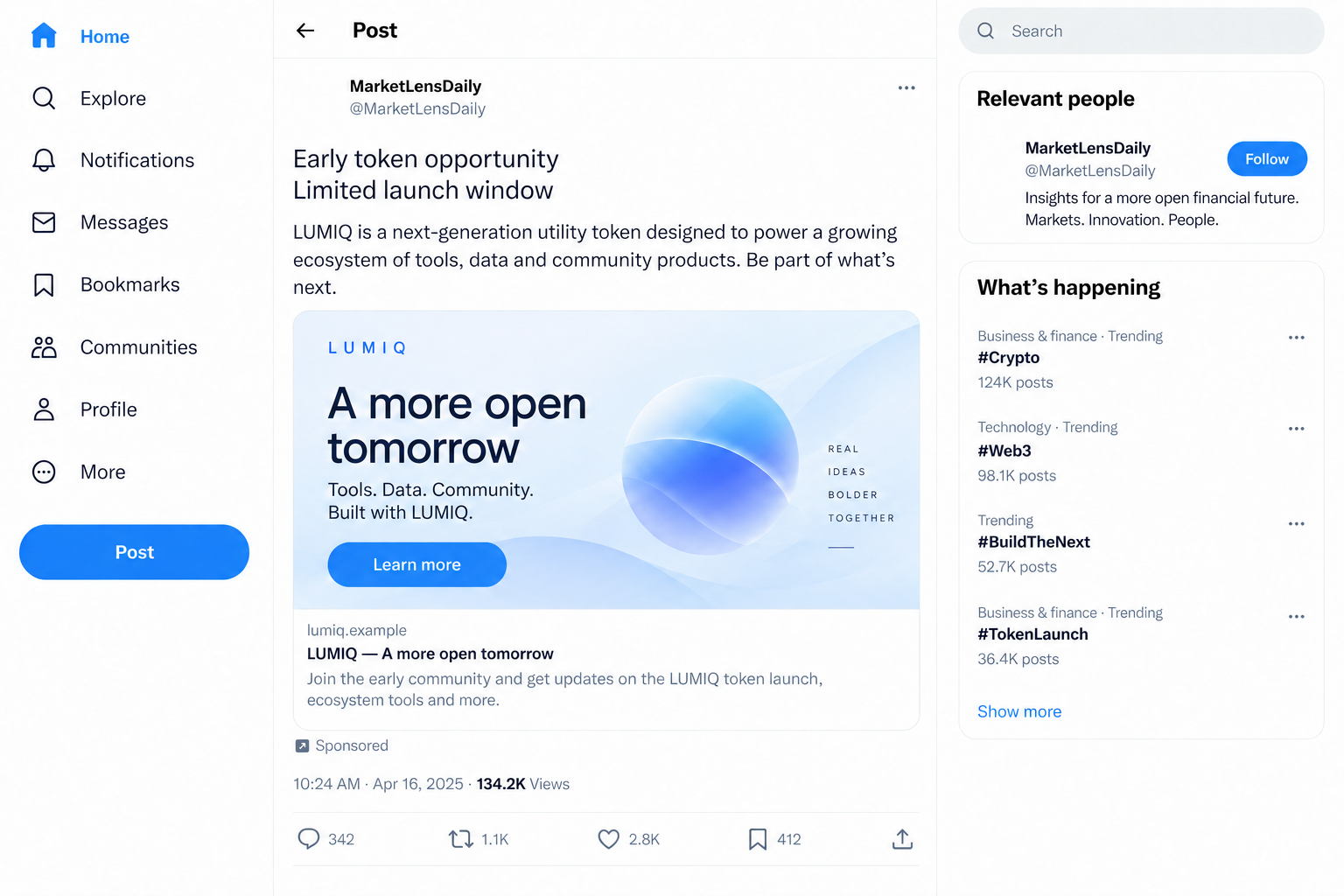
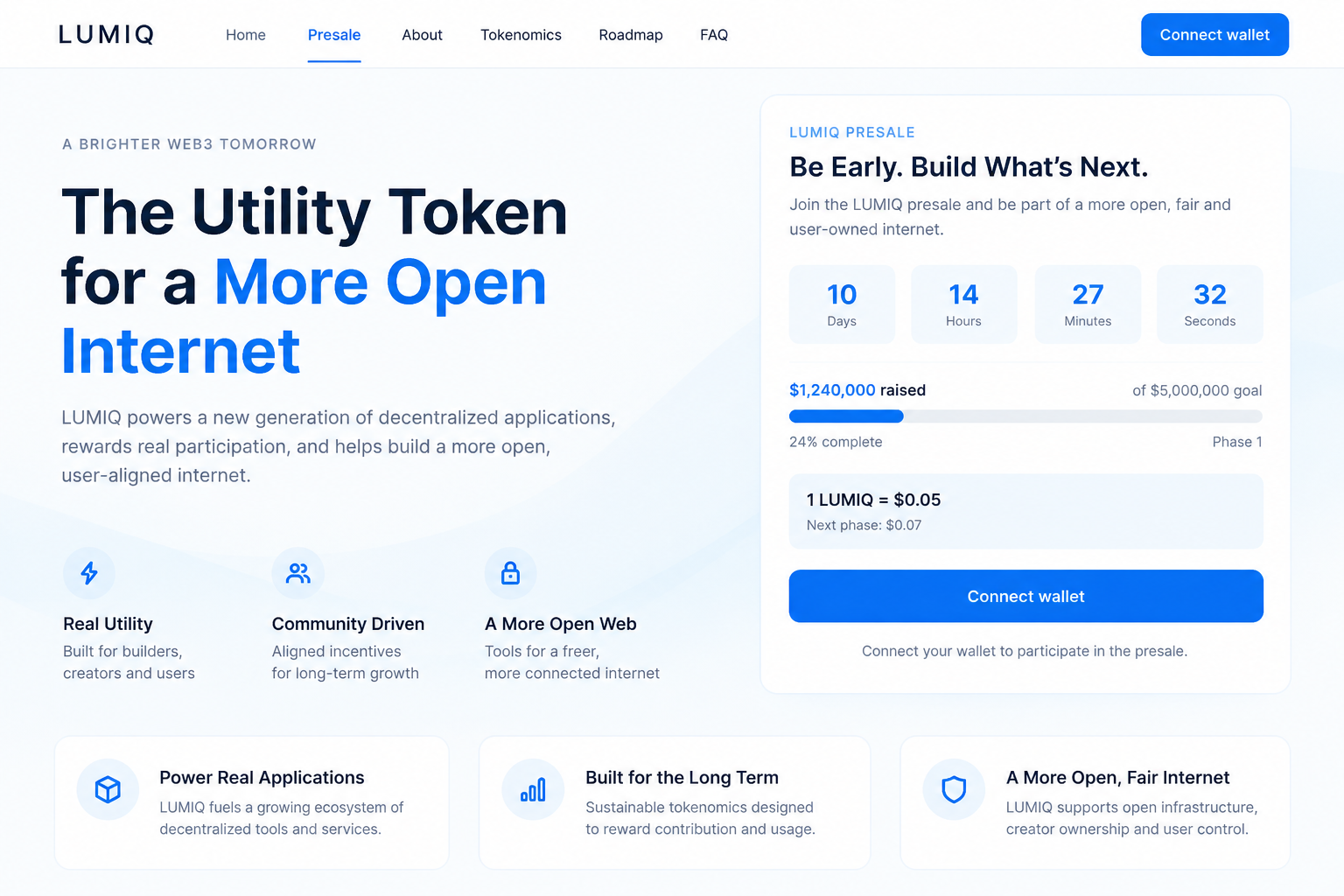
The two images in this article are fictional interface reconstructions. They illustrate decisions a reader may face, not evidence against an actual account.
Warning signs worth checking before you act
- A post promises guaranteed returns or says losses are impossible.
- The account demands a deposit, wallet connection, or transfer before you can receive a supposed reward.
- A link uses an unfamiliar domain, even though the profile photo and username look convincing.
- Comments repeat generic praise while substantive questions disappear or go unanswered.
- The promoter will not explain payment, token holdings, lockups, or referral incentives.
- A private group claims its signals are secret, risk-free, or available only for the next few minutes.
One clue alone may have an innocent explanation. Several together justify stopping until you can verify the account and the offer independently.
Why Crypto Promotions Are Easy to Misread
Popularity is not due diligence
A large follower count can reflect years of genuine work. It can also reflect purchased followers, a hijacked account, or borrowed photos.
Social platforms reward speed and excitement. Financial decisions require the opposite: time to check who controls the project and what the transaction authorizes.
A creator may present a token as something discovered before everyone else. That framing turns ordinary uncertainty into a fear of missing out.
Price screenshots add pressure, but a short chart cannot show liquidity, ownership concentration, selling restrictions, or the promoter’s position.
Different traps can sit behind the same post
One link may lead to a fake exchange sign-in page. Another may request a wallet signature that grants a smart contract spending permission.
A giveaway may ask you to send cryptocurrency first. A presale may collect deposits and never deliver a tradable asset.
A group may simply encourage buying while insiders sell into the resulting demand. The exact mechanism matters because the remedy depends on what you did.
Do not assume a wallet is safe just because you never typed a password. A malicious approval or exposed recovery phrase creates a different problem.
How the Crypto Influencer Scam Works
Step 1: The promoter builds a familiar-looking identity
Scammers can copy a creator’s avatar, biography, and older posts. A slight change to the username may be hard to notice on a small screen.
A compromised genuine account can be more persuasive. Followers may see an established posting history and assume a new financial announcement is authentic.
Some promotions originate from real creators. In that case, ask whether the recommendation is independent, paid, or tied to the creator’s own holdings.
The SEC has warned that paid digital-asset promotions may involve disclosure obligations. That concern is separate from whether a specific token is fraudulent.
Step 2: The post offers a compelling shortcut
The hook may be an early-access token, a giveaway, a private signal, or a supposedly limited presale allocation.
It often describes an ordinary investment choice as a narrow window that will close before you can research it.
Impressive percentages may come from selected timeframes or invented screenshots. Even a real price move says nothing about what a late buyer can recover.
The goal is to move you from reading to clicking while the emotional story is stronger than the evidence.
Step 3: Social proof reduces your hesitation
The post may collect enthusiastic replies, reposts, and testimonial screenshots. None of those establish that the buyers received profits.
In a private chat, moderators may claim that other members are already withdrawing. These claims can be easy to manufacture and difficult to check.
A person who asks for contract code, audit scope, or withdrawal terms may be labeled negative. That is a reason to leave, not a reason to invest faster.
Search for the exact account handle and project name outside the promoter’s channels. Be cautious: scam operators may create their own review pages too.
Step 4: The link moves you away from the platform
A profile or direct message sends you to a landing page. Its design may imitate a known exchange or show a polished token dashboard.
The critical question is what the page requests. A genuine token purchase can still be risky, but a recovery phrase request is never an ordinary checkout step.
Some pages ask you to sign a transaction without explaining its effect. Another asks for an advance transfer to activate a reward.
Look at the actual domain and wallet prompt. If either is confusing, close the page and check through the project’s independently verified channels.
Step 5: The scam collects money or wallet permissions
Cryptocurrency transfers generally cannot be canceled after confirmation. A fake giveaway relies on that finality when it asks you to send a smaller amount first.
A malicious approval can let a contract move specific tokens later. The account balance may look untouched until the allowance is used.
A fake exchange page can capture credentials, then ask for a one-time code. An exposed recovery phrase can give another person broad wallet control.
Record the exact action you took. Recovery steps for a bank-funded transfer, an exchange account, and a self-custody wallet are not interchangeable.
Step 6: The promoter keeps the story alive
After deposits arrive, a group may show fabricated gains or demand another payment before a withdrawal supposedly becomes available.
If the token’s market is manipulated, buyers may find little liquidity after promoters exit. A falling price alone does not prove manipulation, however.
Impersonation accounts can disappear and reappear under new names. Screenshots saved before reporting may become important evidence.
Be wary of anyone promising to retrieve lost cryptocurrency for an upfront fee. A second approach may come from the same fraud network.
How to Check an Influencer Promotion Without Joining It
Verify the account through a separate route
Type the creator’s known website or account name yourself. Compare the current promotion with channels you previously followed, not links supplied in a message.
A matching profile photo proves little. Check username spelling, account history, recent abrupt topic changes, and whether other official channels acknowledge the offer.
Even confirmation by a genuine creator does not settle the investment question. It only helps establish who made the statement.
Ask what the transaction will really do
A wallet prompt should identify the network, contract, asset, and permission requested. If the screen hides those details, do not approve it.
Research a contract using a reputable explorer, but do not treat a verified source-code badge as a safety guarantee.
Look for independently verifiable information about project ownership, liquidity, token allocation, and withdrawal restrictions. Absence of details is itself relevant.
If a purported reward requires you to send money first, it is not a free reward. The FTC warns about cryptocurrency giveaway and investment fraud.
Separate disclosure from performance
A promoter who labels a post as sponsored is giving useful context. That disclosure does not establish that the asset is safe or suitable for you.
Ask whether the creator receives cash, tokens, referral fees, or discounted access. Each incentive can affect how the recommendation is presented.
No public forecast can guarantee future returns. A responsible analysis makes uncertainty visible instead of replacing it with a countdown timer.
Three Common Variations Behind the Pitch
The fake giveaway
An account announces that a well-known creator is giving back to followers. The landing page may show a live counter of supposed participants.
Its rules ask you to send cryptocurrency to a listed address and promise to return more. The transfer itself is the loss point.
On-chain activity displayed beside the offer may be real transactions, unrelated transactions, or a graphic designed to suggest a busy event.
Do not test the promotion with a small amount. A smaller transfer can still be lost, and it may identify you as someone willing to engage.
The private signal group
A creator or impersonator advertises a members-only chat with unusually accurate trades. Access may require a fee, a wallet connection, or an exchange account.
Once inside, members may see gains that cannot be independently reproduced. Losses may be deleted while profitable calls stay pinned.
Some groups send members to obscure trading platforms that display fictional balances. When withdrawal time comes, the platform requests more money.
Before paying, ask for a complete, independently audited track record. Screenshots of selected trades are not a substitute.
The promoted token with hidden incentives
A real token can still be promoted in a misleading way. The promoter might hold a large allocation and benefit when followers buy.
That does not prove an illegal pump-and-dump scheme. It does make holdings, payment, vesting, and liquidity essential context for a reader.
Check whether the project explains who can sell, when restrictions expire, and whether buyers face unusual transfer limitations.
If the promoter refuses basic questions while urging immediate purchases, there is no reason to let their timetable control your money.
What Evidence Would Change the Assessment?
Documents and transactions matter more than hype
A legitimate project may provide clear technical documentation, verifiable contract addresses, transparent token allocation, and risk disclosures. Those materials still require scrutiny.
For a suspected fake giveaway, the strongest evidence is often the payment instruction, receiving address, and absence of a credible independent organizer.
For a suspected account takeover, compare public statements across established channels and look for a platform notice. Do not infer a hack solely from unusual wording.
For undisclosed promotion, a regulator’s finding, contract, admission, or reliable records are stronger than speculation about why a creator posted.
Keeping those distinctions protects readers from two errors: trusting a polished scam and accusing an ordinary risky investment without enough evidence.
What to Do if You Have Fallen Victim to This Scam
- Stop sending funds and save the trail. Keep the post URL, account handle, chat messages, website address, wallet prompts, transaction hashes, receipts, and timestamps. Do not pay a withdrawal or tax fee demanded by the same group.
- Protect the wallet according to the exposure. If you disclosed a recovery phrase, create a new wallet using trusted software and move remaining assets promptly. If you signed an approval, inspect and revoke permissions through a reputable tool, then consider moving funds.
- Secure exchange and email accounts. Change passwords from a trusted device, enable strong multifactor authentication, review active sessions, and tell the exchange’s official support team what happened. Never give support your recovery phrase or one-time code.
- Contact payment providers quickly. If you funded the transfer with a card or bank account, notify the provider and ask what dispute or recall options exist. A confirmed blockchain transfer may not be reversible, so avoid anyone guaranteeing recovery.
- Check devices and report the accounts. If you downloaded software from the promotion, remove it and scan with a reputable security tool such as Malwarebytes. Report the impersonating profile and landing page to the platform.
- File an official report. In the United States, use FTC ReportFraud or FBI IC3. Elsewhere, contact your national cybercrime agency. Include transaction identifiers but never publish your recovery phrase.
Tell friends who received your forwarded link that the promotion may be unsafe. A brief correction can prevent another deposit.
Frequently Asked Questions
Is every sponsored crypto post a scam?
No. Sponsorship describes a relationship, not a verdict. Assess disclosure, the asset, the requested action, and independent evidence before deciding whether to participate.
Can a verified influencer account still promote a scam?
Yes. Accounts can be compromised, and genuine creators can make misleading or poorly researched promotions. A verification badge does not audit a token or transaction.
Is a wallet connection dangerous by itself?
A connection may only share your public address, but later prompts can request approvals or transfers. Read each request and disconnect if it seems unclear.
What if I already sent cryptocurrency?
Save the transaction hash, notify the exchange or payment provider involved, secure exposed accounts, and report the incident. Ignore paid recovery guarantees.
Does a rising token price prove the promotion was genuine?
No. Price movement does not verify a creator, underlying business, liquidity, or your ability to sell. Promotions can coincide with genuine volatility or manipulation.
Should I post my wallet address to ask for help?
Share details only with official support or investigators as needed. Never post a recovery phrase, private key, password, or one-time code.
The Bottom Line
A crypto influencer scam turns social trust into a financial instruction. The dangerous step may be a transfer, sign-in, wallet approval, or recovery phrase request.
Verify the account separately, understand the exact transaction, and walk away from guarantees and countdowns. A real opportunity will survive a careful check.








