

A coffee booster sounds like an easy addition to an already busy morning. Leanela’s offer wraps that idea in weight-management promises and reassuring wellness language.
This Leanela review follows the details a shopper might miss on the first visit. Some deserve a much closer look before the kettle goes on.
Overview
The Caffeine Disclosure Conflicts With the Sales Copy
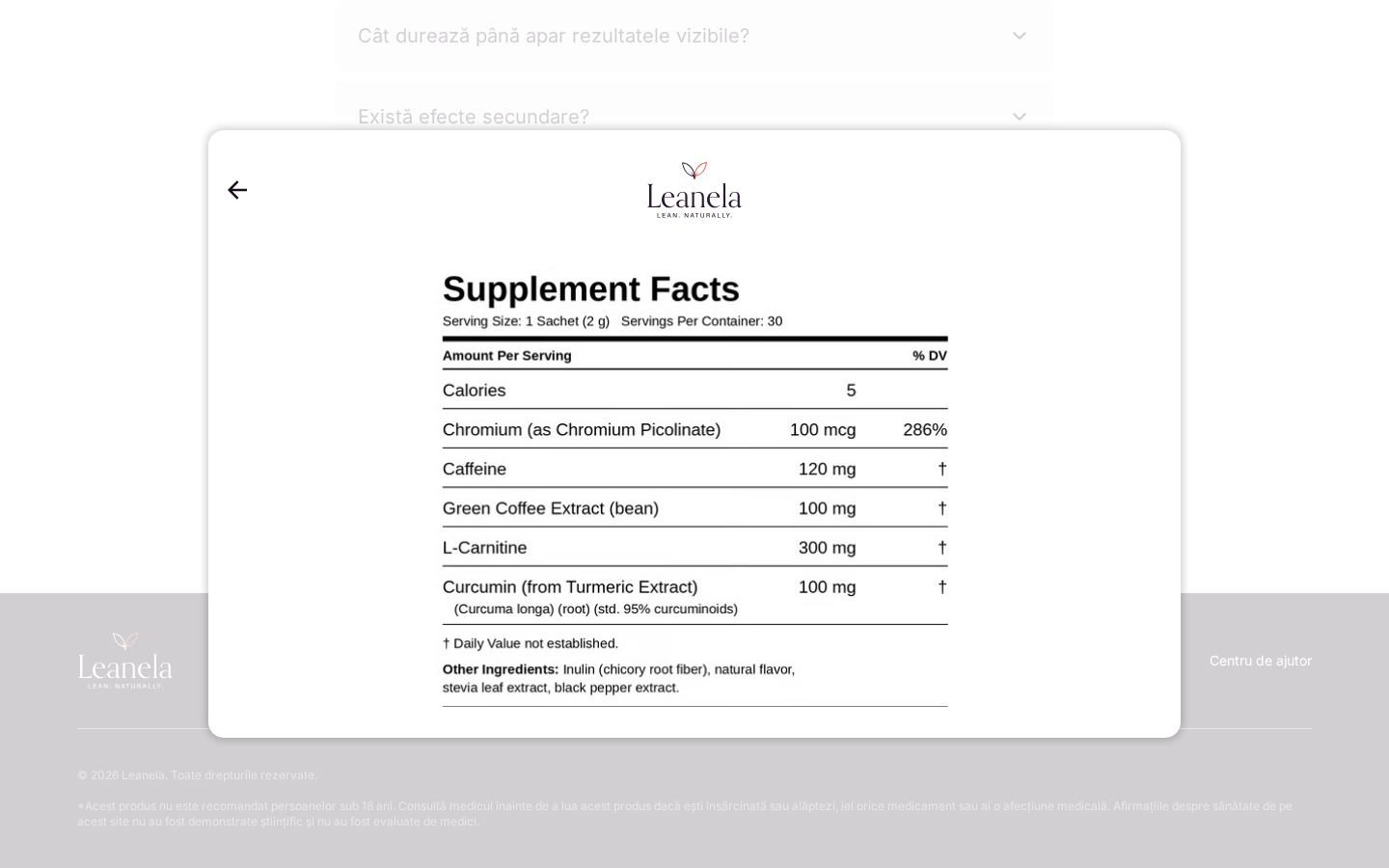
The Romanian Leanela page reviewed on October 4, 2026, described the formula as free from stimulants. Its ingredient popup listed 120 mg of caffeine per serving.
That is a direct, meaningful inconsistency. Caffeine is a stimulant, and a shopper avoiding stimulants could reasonably make the wrong decision from the main description.
The displayed panel described one 2 g sachet, with 30 servings per container. It also specifically warned that each serving contains caffeine.
We inspected the website’s label image, not a delivered batch. The contradiction concerns the seller’s own presentation, regardless of what later laboratory testing might show.
The Formula Story and Guarantee Also Need Answers
Sales paragraphs discussed berberine, green tea extract, and vitamin B12. Those ingredients were not listed in the panel opened through the site’s ingredient button.
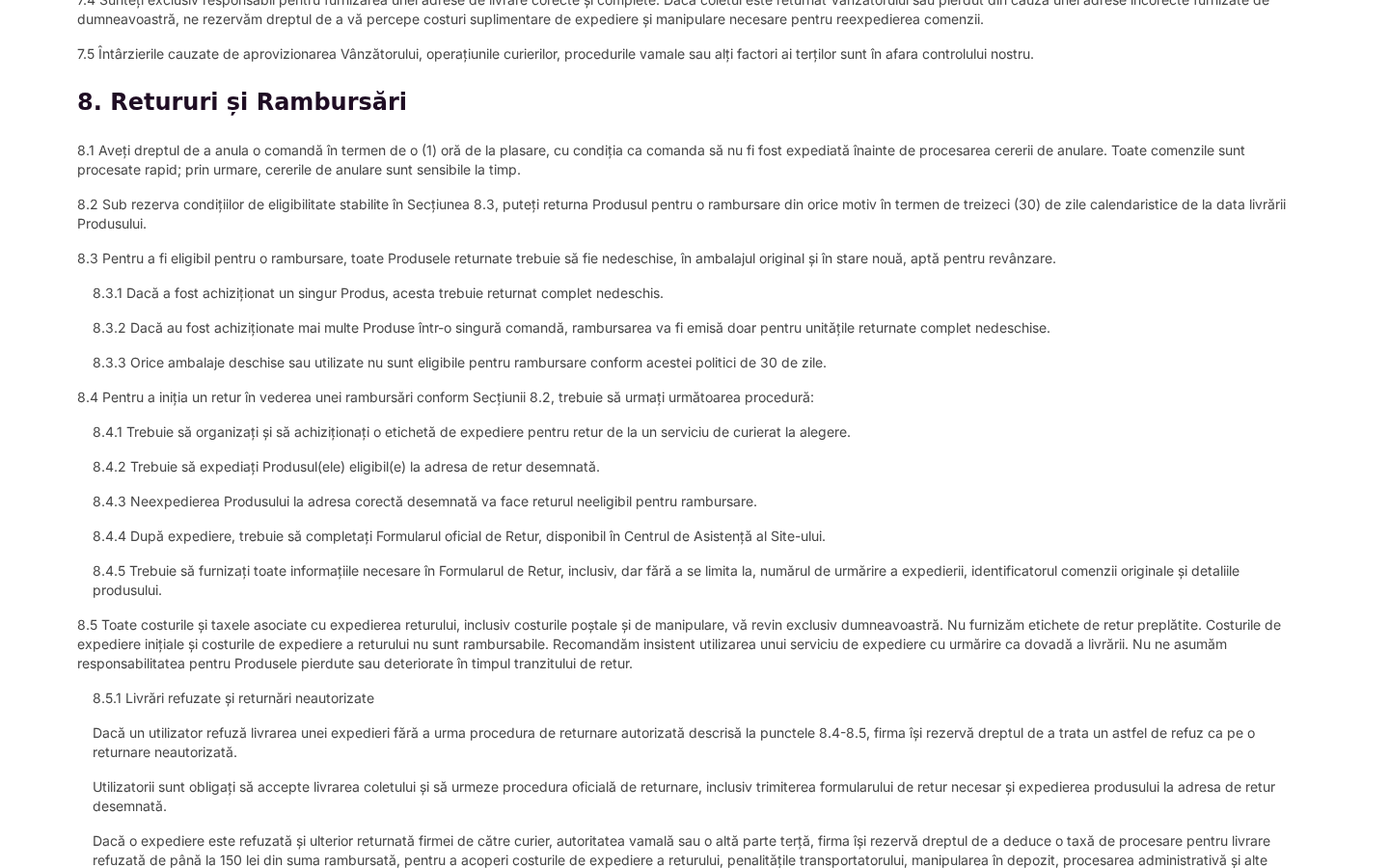
The page’s 30-day reassurance also needs to be read alongside its detailed rules. The terms restrict ordinary refunds to unopened products and exclude reduced-price purchases.
Meanwhile, the offer uses promotional discounts and encourages buyers to try the product. These messages do not fit comfortably with those refund exclusions.
- Stimulant-free copy conflicts with an explicit caffeine quantity.
- Several prominently discussed ingredients do not match the displayed panel.
- A three-box package appeared selected on the Romanian order page.
- The terms cover subscriptions, but we did not establish mandatory recurring billing for every order.
- The checkout’s FDA-approved-facility wording is misleading.
What This Investigation Establishes
Leanela raises substantiated marketing and purchase concerns. This is not a finding that every shipment is counterfeit, every buyer is subscribed, or the formula is manufactured in China.
We reviewed the localized storefront, label popup, visible ordering interface, and policies. No purchase, clinical trial, laboratory analysis, or customer-support response test was performed.
The recommendation is specific: do not order until the seller supplies a consistent current formula, accurate caffeine disclosure, and clear refund and billing terms.
A Coffee Booster Is Still a Supplement
Mixing a product into a familiar drink can make it feel less consequential than taking a capsule. That familiarity says nothing about its ingredients or commercial terms.
The displayed directions permit mixing a sachet with water or coffee. If coffee is your choice, the sachet’s caffeine is additional to whatever your drink already contains.
That is particularly relevant for somebody choosing the product because the page says it contains no stimulants. The reassurance and the ingredient warning lead in opposite directions.
A person who drinks several caffeinated beverages needs to consider the combined intake. Your own tolerances and medical circumstances matter more than another shopper’s testimonial.
We are not declaring 120 mg universally dangerous. The issue is informed choice: a stimulant-sensitive person should not discover the caffeine after paying or using a sachet.
Advertising should make an important ingredient easier to notice, not bury it behind a reassuring description. The popup does not cancel out the misleading main-page statement.
The Leanela Ingredient Mismatch
What the Displayed Panel Actually Lists
The opened image listed chromium as chromium picolinate, 100 mcg; caffeine, 120 mg; green coffee extract, 100 mg; and L-carnitine, 300 mg.
It also listed curcumin from turmeric extract at 100 mg. Other ingredients included inulin, natural flavor, stevia leaf extract, and black pepper extract.
These are quantities claimed in a seller-posted image. They are not independent measurements, and we cannot confirm that a particular delivery matches them.
The proper next step is to request the label for the exact variant being sold to you. Formula changes should be disclosed clearly across the purchase journey.
Why the Missing Advertised Ingredients Matter
The main page builds part of its explanation around berberine and green tea extract. It mentions B12 in connection with energy and fatigue.
Yet those names were absent from the full ingredient image we inspected. A buyer cannot determine from this inconsistency whether the copy or the image is outdated.
It could reflect a version mismatch or poorly maintained content. Whatever the cause, the seller needs to identify the correct formula before asking anyone to ingest it.
Do not combine scattered ingredient descriptions from affiliate pages to invent a complete label. They may concern different versions, different products, or inaccurate promotional copy.
If an agent claims an ingredient is present, ask for its amount and a matching package photograph. A generic “natural formula” answer does not resolve the discrepancy.
How the Leanela Sales Funnel Works
Step 1: A Small Daily Habit Is Presented as Weight-Management Support
The landing page begins with metabolism and weight-management language. It describes a natural addition to a balanced lifestyle rather than openly presenting a medical treatment.
That distinction should remain visible. Supporting normal metabolism is not the same as demonstrating substantial weight loss from this particular sachet.
The phrase “scientifically based ingredients” can sound like evidence about Leanela itself. Ask which finished-product study supports the advertised outcome, not merely whether an ingredient has been researched.
Relevant research would need a matching composition, dose, study population, and comparison. A familiar botanical name alone cannot answer whether this product will help you.
Step 2: Reassurance Reduces Attention to the Label
The page emphasizes natural ingredients, no genetic modification, and the absence of additives or stimulants. These statements create an impression of a gentle, uncomplicated product.
The caffeine panel breaks that impression. Its warning needs to be considered before purchase, especially when the product is suggested as an addition to coffee.
“Natural” is not a measurement of caffeine, a guarantee against interactions, or proof of weight-loss effectiveness. It does not substitute for a readable, consistent ingredient disclosure.
Open the ingredients button before progressing. If the headline and label disagree, stop there and ask for clarification instead of guessing which one to trust.
Step 3: The Package Default Moves the Order Beyond a Single Box
The Romanian offer showed one-, two-, and three-box choices. The three-box supply was marked as selected and presented as the bestseller.
A buyer planning a short trial needs to actively inspect that selection. The lower per-box figure on a larger package can distract from the higher total commitment.
This is a verified three-box default, not evidence of six boxes being shipped unexpectedly. We did not place an order or inspect anybody’s delivered parcel.
The single-box option carried postage, while other parts of the page advertised free shipping. Treat the actual package calculation as more informative than the general banner.
Count the boxes in the summary before payment. A 90-day supply purchased today and a new shipment every 90 days are two different arrangements.
Step 4: Broad Payment Language Sits Alongside Subscription Rules
The checkout checkbox referred to terms, refund and cancellation policies, and saving payment information for future purchases. It was not already checked in the view inspected.
We did not authorize it or submit card details. Its wording does not, on its own, establish enrollment in an automatic refill plan.
The separate subscription section does describe recurring orders and automatic charges. It also sets a cutoff of 48 hours before the next scheduled billing date.
These rules are worth investigating before paying, not proof that everybody is subscribed. Ask which exact purchase choice activates them and where renewal consent is recorded.
An actual refill agreement should specify its price, schedule, quantity, and cancellation method. If those details are unclear, do not infer that the order is safely one-time.
Step 5: A Trial Can Run Into the Unopened-Only Rule
The detailed policy limits routine order cancellation to one hour, provided dispatch has not already taken place. Afterward, returning eligible products becomes the relevant process.
Opening the box to try a sachet can matter under the stated refund conditions. The rules expressly distinguish unopened merchandise from opened or used packages.
There is also a reduced-price exclusion. Because the sales journey centers on discounts, shoppers need an explicit answer about whether the advertised guarantee covers that offer.
Get the destination and postage requirements before assuming a return will be straightforward. Neither of the corporate addresses is designated as an address for customer returns.
Company, Address, and Fulfillment Checks
The Legal Disclosures Connect Leanela and Virdexis
Leanela’s terms identify Haur B.V. as platform operator and Haruki Limited as product seller. The same two entities appear in the Virdexis terms we examined.
This is a documented connection between their commercial disclosures. It does not establish a shared factory, identical formulations, or fraud across every brand.
The operator states that it does not manufacture, test, or store the products. Buyers should therefore obtain quality answers from the entity responsible for the goods.
A polished brand presentation should not obscure that distinction. Identify who accepts the order, who supplies the product, and who must respond if its label is wrong.
Amsterdam and Cyprus Details Do Not Identify the Factory
The operator’s disclosed location is Amsterdam, Netherlands; the seller’s is Anglisides in Cyprus. Both corporate addresses carry warnings against sending customer returns there.
Those locations describe legal contact details, not the route your parcel will follow. We did not independently verify an office, depot, manufacturing site, or return facility.
The ordering page claims EU manufacturing but does not identify the factory in the information reviewed. A regional claim is not adequate batch traceability.
We have no basis to label Leanela a China-made product. Request its actual origin and responsible manufacturer instead of drawing conclusions from the style of its advertising.
A Help Center Is Not Proof of Easy Cancellation
The policy names hello@leanela.com and directs requests to support.leanela.com. We verified that these contact routes are listed, not that agents successfully resolve every request.
No private customer details were submitted, and no test order was created. We cannot claim the email is ignored or the service is deliberately unreachable.
Ask three pointed questions: which formula ships, whether your chosen offer renews, and whether opened discounted boxes qualify for the advertised guarantee.
Answers should concern your exact order, country, and offer. A canned reply about natural ingredients or satisfaction leaves the important issues untouched.
The FDA Wording Does Not Establish Approval
The Romanian order page displayed wording translated as FDA approved and described production in FDA-approved facilities. That language implies assurance the FDA does not provide.
The FDA explains that it does not independently approve manufacturing facilities. It also does not approve dietary supplements before they reach the market.
Registration, inspection, and compliance claims are not interchangeable with approval. A facility-related statement would not establish that this weight-management formula has proven clinical benefits.
Request the factory name and meaningful quality records. A regulator’s name beside a checkout should never do the work of actual product documentation.
What to Know About the Weight-Loss Claims
NIH’s consumer guidance on weight-loss supplements explains that evidence is limited for many products and that some ingredients can cause harm or interact with medicines.
That is general guidance, not a clinical verdict on Leanela. We found no finished-product trial that would let us quantify its effect for an individual buyer.
Feeling more alert after a caffeine-containing product is not the same as losing body fat. An energy testimonial cannot establish long-term weight-management performance.
Likewise, buying multiple months of sachets does not improve the quality of the evidence. It simply increases the amount committed before the result is known.
The correct questions are practical: what precisely is in this version, how much, what benefit was demonstrated, and what happens if it disappoints?
What to Do If You Bought Leanela
-
Record the caffeine contradiction first. Save the stimulant-free statement and the ingredient popup together. Include a timestamp and the regional page used.
Also retain your order summary and confirmation. Your complaint should show the specific representation that influenced you, rather than rely on a general distrust of supplements.
-
Do not use a formula you cannot identify. Compare the delivered panel with the website image. Ask a pharmacist about caffeine and interactions relevant to you.
Stop using the product and obtain medical advice if you develop concerning symptoms. Keep the sachets, box, lot identification, and any remaining contents.
-
Act promptly if you want the order stopped. Send cancellation through the listed help channel, quoting the order number and requesting written confirmation of dispatch status.
The reviewed policy gives a very short ordinary window. If the seller declines, preserve the reply rather than repeatedly submitting messages without a record.
-
Separate the first purchase from future billing. Ask whether your account contains an active subscription, saved-payment authorization, or another pending order.
If renewal exists, cancel it explicitly and request the effective date. Refund discussions about the first box should not leave a second charge unaddressed.
-
Ask about the discounted-offer exclusion. Tell support which guarantee appeared at checkout and ask whether section 8.9 applies to that purchase.
For opened packaging, also request an answer to the trial-versus-unopened conflict. Save any promise of an exception before paying for return postage.
-
Follow an authorized, documented return route. Obtain the proper destination and the exact eligible quantity. Photograph the package before sending and keep shipment tracking.
Do not send it to an address the terms expressly reject. Confirm all procedural requirements in writing so an avoidable paperwork issue does not derail the request.
-
Escalate a documented dispute to your payment provider. Explain the contradictory description, disputed quantity, unauthorized renewal, or rejected cancellation that actually occurred.
Ask what evidence and deadlines apply. A replacement card alone may not resolve a merchant subscription, so discuss recurring-payment controls separately.
-
Report misleading health or approval claims accurately. Provide the caffeine image and sales statement, or the FDA wording, to an appropriate authority.
Distinguish what the page says from what you personally experienced. Do not claim laboratory contamination, China manufacture, or nonexistent deliveries without evidence supporting those allegations.
Frequently Asked Questions
Does Leanela Contain Caffeine?
The ingredient image inspected listed 120 mg per sachet. This conflicts with stimulant-free marketing and should be clarified before use or purchase.
Is Leanela Automatically a Subscription?
We did not confirm compulsory renewal. Its terms describe subscriptions, but your specific enrollment choice, receipt, and billing schedule determine whether one applies.
Is the Leanela Formula FDA Approved?
No such approval was established. FDA does not preapprove dietary supplements or independently approve manufacturing facilities, despite the assurance suggested by the reviewed checkout.
Why Do Some Ingredient Descriptions Differ?
The sales copy named ingredients absent from the displayed panel. The seller needs to identify whether its copy, image, or formulation changed.
Can I Try Leanela and Return the Opened Box?
The reviewed ordinary policy excludes opened packages. Obtain a written explanation of any trial guarantee and discount exception before relying on a refund.
What Is Leanela’s Connection to Virdexis?
Both sites name the same operator and seller in their terms. That links the disclosed business arrangements, not necessarily their factories, ingredients, or outcomes.
The Bottom Line
The clearest finding in this Leanela review is not speculation: stimulant-free marketing conflicts with its caffeine label. The formula mismatch and refund restrictions add further reasons to pause.
Wait for consistent labeling, a credible explanation of the approval wording, and unambiguous purchase terms. A daily coffee habit should not become a guessing game.








