

A Zombies-themed room for $39.99? If that offer sent you looking for a CodGlow projector review, the appeal is easy to understand.
The pictures make the purchase feel simple. Before choosing a bundle, though, there are a few details worth reading beyond the glow.
Overview
The refund policy is the reason to stop before paying
Our assessment is straightforward: do not order CodGlow from Perksupply until the seller explains its return restrictions and supplies a real return destination.
The issue is not whether a decorative projector can exist. It is whether this particular offer gives buyers a clear, usable route back if something goes wrong.
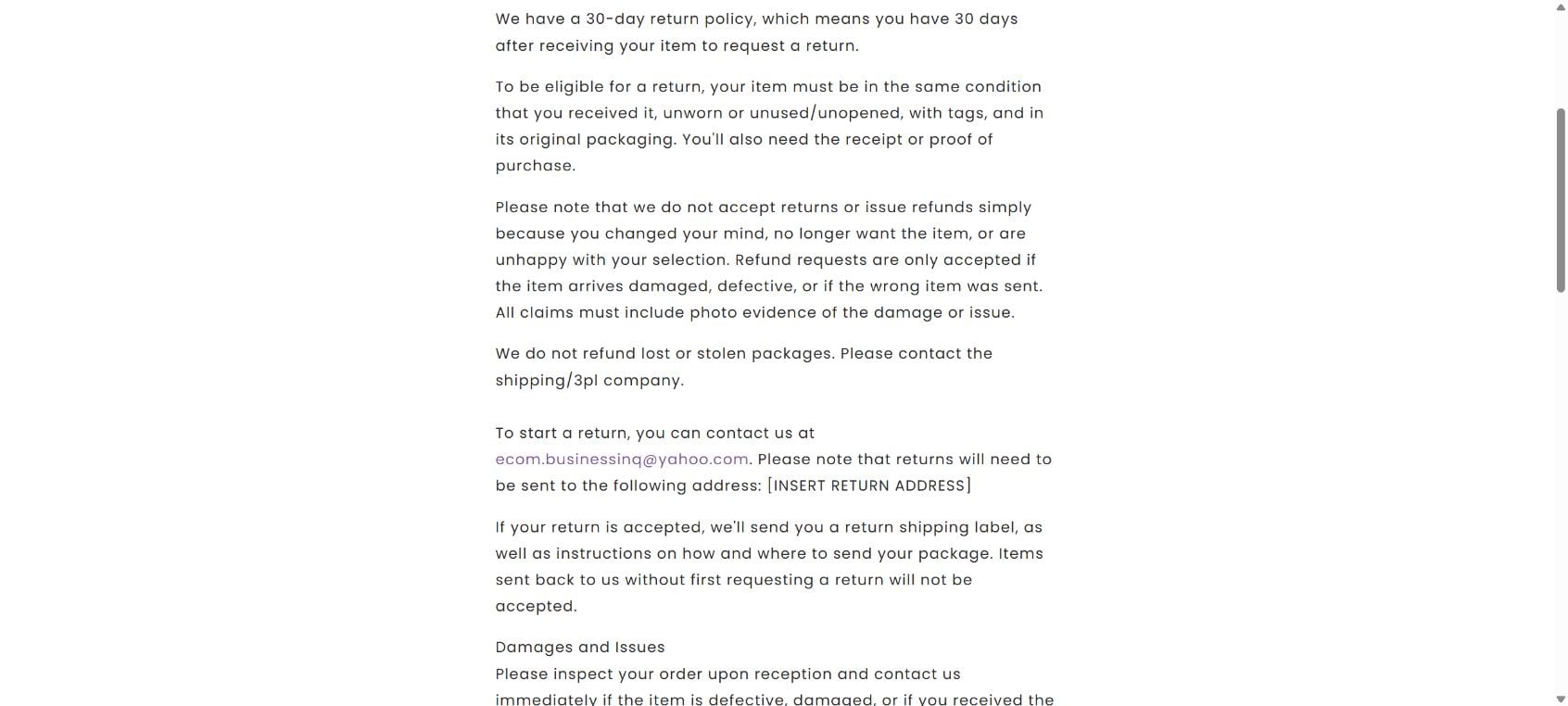
On October 6, 2026, the store’s refund page still contained the placeholder [INSERT RETURN ADDRESS]. That is unfinished purchasing information, not a minor spelling mistake.
The same policy starts with a 30-day return window, then limits refunds to damaged, defective, or incorrect goods and excludes sale items.
Meanwhile, the storefront promotes 50% OFF across its products. A buyer should not have to guess whether the advertised discount also removes the advertised return opportunity.
What the CodGlow offer actually shows
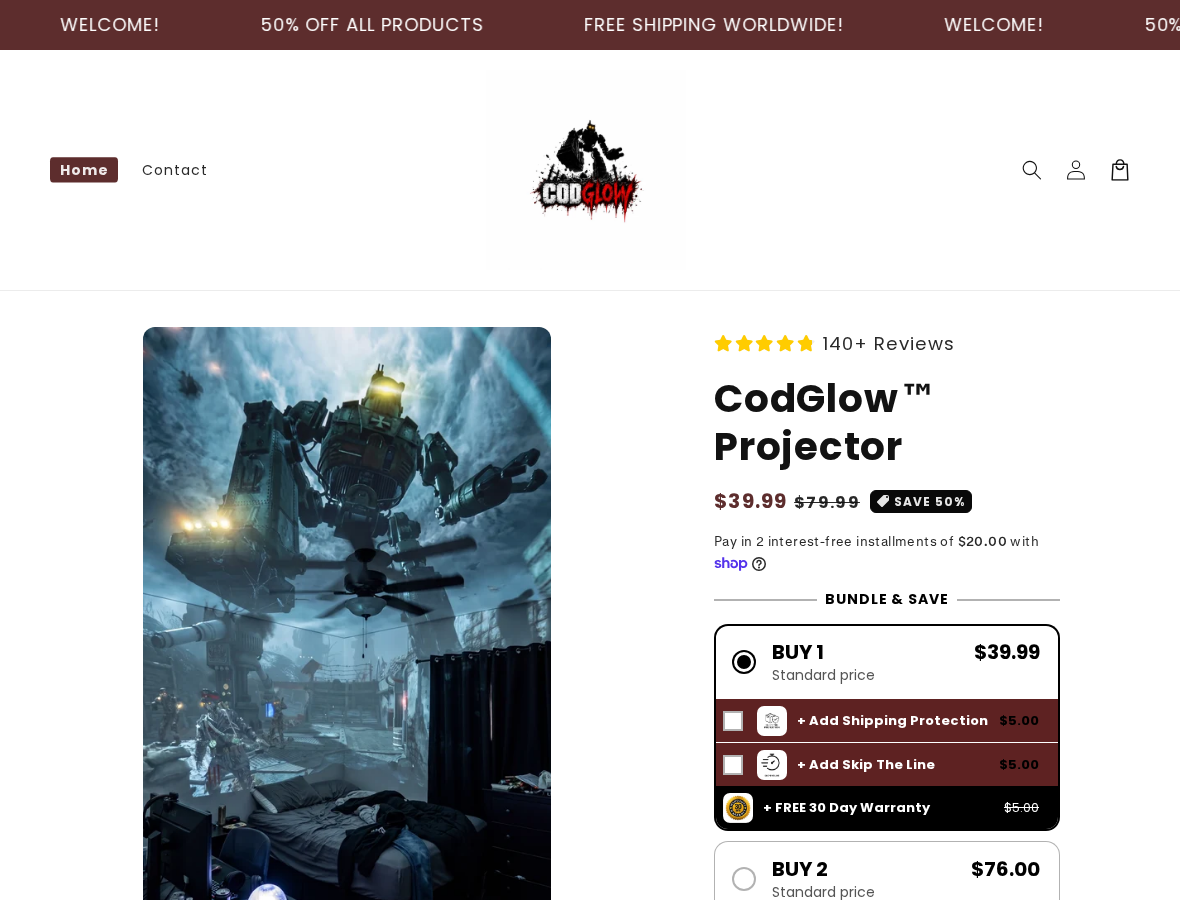
Perksupply.store markets CodGlow as a themed room projector, with imagery and language aimed at fans of Zombies-style gaming environments.
The visible one-unit offer was $39.99, compared with $79.99. Two units were listed at $76, while three were $108.
The bundle area also displayed shipping protection and a skip-the-line option at $5 each, alongside a 30-day warranty promotion.
These are seller-advertised figures, not evidence of an established former selling price, verified warranty performance, or a tested shipping service.
- The product is sold as decorative room lighting, not a game console.
- The homepage claims more than 140 reviews.
- Named testimonials appear on the seller’s own page.
- The policy names a Yahoo email address for return requests.
- A usable return address was missing from the reviewed policy.
- Sale exclusions and the 30-day promise need reconciliation.
This is a buyer-risk warning, not proof of every suspected allegation
We did not purchase or physically test CodGlow. The reviewed pages do not establish that every order goes undelivered or that the projector is unsafe.
They also do not prove Chinese manufacturing, AI-generated advertising, unauthorized subscriptions, or a connection to every similarly styled projector shop.
None of those allegations is needed to reach a useful conclusion. An unfinished, restrictive refund policy is enough reason to keep your payment details to yourself.
If the seller corrects these problems, the offer can be reassessed. Until then, the reassuring parts of the page are doing more work than the accountability details.
What You Are Buying, and What the Pictures Cannot Tell You
Atmosphere is not the same as projection performance
Decorative projection can be enjoyable without being technically impressive. A dark-room photo, however, leaves several practical questions unanswered.
How bright is the image? How much detail survives on a textured ceiling? How far must the unit sit from the wall?
A dramatic room picture does not establish those measurements. Exposure, darkness, positioning, and the photographed surface can greatly change how a projection looks.
Ask for an unedited demonstration showing the actual unit, room lighting, distance, and projected image together. A close-up of artwork is not that demonstration.
Also request the model identifier and a plain description of what comes in the box. Included scenes, controls, power accessories, and replacement parts affect everyday usefulness.
Do not assume you can upload custom clips, stream gameplay, or run a full-screen video simply because the product is called a projector.
Those features require specific hardware and software. If they are important to you, insist on explicit specifications before paying.
Gaming imagery does not establish an official relationship
The Zombies-themed presentation may look familiar to Call of Duty players. Familiarity is not the same thing as authorization from the game’s rights holder.
The offer reviewed did not supply documentary proof of an official licensing relationship. That does not, by itself, prove infringement.
It does mean shoppers should not infer that Activision manufactured, approved, or will support the device because the visuals evoke its games.
For an officially licensed collectible, a seller should be able to identify the license, manufacturer, and responsible distributor without relying on mood or typography.
The practical point is accountability. A fan-themed shop and an official accessory channel are different purchasing relationships, even when the pictures appeal to the same audience.
How the CodGlow Sales Funnel Works
Step 1: The room transformation makes you picture owning it
The storefront introduces a finished atmosphere rather than a technical comparison. You see what your gaming space could feel like, then encounter a purchase button.
That approach sells an experience. It can also encourage you to evaluate the scene before evaluating the equipment producing it.
Pause at that point. Decide what you need the device to do in your own room, not what the promotional image makes you imagine.
A useful checklist includes brightness, noise, power requirements, scene selection, projection distance, and the seller’s responsibility if the device does not match its description.
Step 2: The discount supplies a reason to decide quickly
The repeated 50% promotion gives the impression of a substantial saving. The $79.99 comparison also makes the $39.99 offer look inexpensive.
We did not verify a historical selling price of $79.99. Treat the crossed-out figure as the seller’s comparison, not independently established value.
The right comparison is what an equivalent, documented product costs from another accountable seller, including delivery and workable return terms.
A lower displayed price can be poor value when the specifications are thin or a disappointing purchase cannot reasonably be returned.
There is no need to decide while the banner is in front of you. Saving the page gives you time to compare the actual proposition.
Step 3: Bundles and extras change the amount you authorize
The purchase area moves from one projector to two or three, with different totals and promotional extras.
At the listed prices, two units cost $38 each and three cost $36 each. The savings require spending more overall.
That distinction matters if you came for a single device. An attractive unit price does not make an unwanted second or third unit useful.
For any $5 add-on, ask what it covers, who provides it, and whether ordinary seller obligations already address the same problem.
A skip-the-line label is especially incomplete without a concrete handling deadline. It should not be mistaken for a guaranteed arrival date.
We did not complete checkout or verify recurring charges. Review the final quantity and total yourself rather than assuming the first displayed price remains unchanged.
Step 4: Testimonials make the seller’s claims feel independently confirmed
The homepage displays a review-count claim and enthusiastic named testimonials. Those passages describe enjoyable room transformations and improved gaming atmosphere.
They remain content hosted by the business selling the item. Our review did not authenticate the buyers, purchase records, or total review count.
This is not a finding that every testimonial is fabricated. It is a reminder that seller-controlled praise cannot independently establish fulfillment or refund performance.
Look for detailed feedback describing the exact model, delivery experience, defects, and how support handled a problem. A string of compliments answers fewer purchasing questions.
Step 5: After payment, the refund details become much more important
A customer discovering the restrictions later may face a different proposition from the one suggested by the opening 30-day statement.
The policy rejects ordinary dissatisfaction and says goods must be unused or unopened. For a projector, assessing image quality normally requires opening and operating it.
That creates a practical distinction between a defective unit and a working unit that disappoints. The store does not promise the same remedy for both.
The sale-item exclusion adds another uncertainty. Ask specifically whether the discounted CodGlow you are buying qualifies for the stated defect and wrong-item remedies.
Finally, the placeholder address means you cannot estimate return logistics from the policy alone. A refund promise needs an operational process behind it.
Company, Return Address, Support, and Product Checks
Perksupply is a storefront name, not a verified manufacturer
The reviewed storefront identifies Perksupply as the trading brand. It does not clearly establish the incorporated company or factory responsible for CodGlow.
Request the legal seller’s name and business location. The answer should match the order confirmation and payment descriptor, or explain why they differ.
A Shopify-powered checkout indicates the platform being used. It does not certify the merchant’s product quality, refund behavior, or gaming-brand affiliations.
Similarly, payment logos tell you which methods may be offered. They are not endorsements of the product.
The return address is unfinished, not verified as fake
The literal address placeholder is a concrete defect in the policy. We cannot inspect a warehouse or office that the seller has not identified.
Ask for the complete return destination before purchase, including the country. International postage can materially change whether a $39.99 return is economically sensible.
If an address is supplied, check its purpose. A parcel-processing depot may be legitimate without being the merchant’s headquarters or manufacturing facility.
Do not mail goods to a guessed location or an address borrowed from another business with a similar name.
The Yahoo contact needs a working resolution process
The refund page directs customers to ecom.businessinq@yahoo.com. The separate contact page offers a form.
A free email service is not proof of fraud. However, the address alone does not establish response times, staff identity, or a reliable returns operation.
We did not send a test inquiry, so we are not claiming the mailbox is unmonitored. Buyers can request the missing terms before committing money.
A helpful response should answer the actual question. Repeating that customer satisfaction matters would not resolve the sale-item exclusion or missing destination.
Model and supply-chain information should travel with the product
The pages reviewed do not establish the factory’s country. Calling the unit Chinese-made without documentary evidence would add an allegation rather than useful consumer information.
Request a manufacturer, model number, power requirements, instruction manual, and details of any included adapter. These identifiers make safety and compatibility claims checkable.
Certification should correspond to the exact device or adapter, not merely a generic symbol in a promotional image.
Without physical testing, we cannot judge heat, durability, or projection quality. Missing specifications are a reason to pause, not permission to invent a dangerous-product finding.
The Questions That Should Decide the Purchase
Send a short inquiry addressing the points that affect your money. Keep it specific enough that an evasive answer is easy to recognize.
- Does the sale-priced CodGlow qualify for refunds if damaged, defective, or incorrectly supplied?
- Can a working projector be returned after opening if its performance is disappointing?
- What is the complete return address and who pays postage?
- Which model, accessories, and scenes will arrive?
- What delivery date does the optional priority service actually guarantee?
The website also includes an EU-specific 14-day clause. Local consumer protections may differ from a merchant’s general restrictions.
For a particular dispute, check guidance in your jurisdiction. This investigation does not determine how every provision would be enforced everywhere.
A responsive seller can reduce uncertainty by answering these questions in writing. If the answers never arrive, there is no good reason to fund the experiment.
What to Do If You Ordered CodGlow
- Save the purchase record before changing anything.
Keep the order confirmation, amount charged, quantity, selected extras, product page, and refund policy as they appeared when you bought.
Include the date of each screenshot. The policy you saw at purchase may matter more than a later revised version.
- Ask for cancellation or the missing delivery information promptly.
Write to the published contact, give your order number, and state the outcome you want. If you want cancellation, make that request explicit.
Do not assume a sent message means the order was canceled. Ask for a written confirmation and keep any reply.
- Document what arrives before throwing away packaging.
Photograph the shipping label, box, contents, and any damage. Record the model and accessories actually delivered.
If the projector malfunctions, take a short video showing the problem under ordinary operation. Stop using damaged electrical equipment.
- Describe the correct dispute, not an inflated accusation.
Identify whether the issue is nondelivery, a defect, an incorrect item, or a specific mismatch with the description.
Ask for return authorization and a complete destination. Preserve the seller’s response about the discounted item’s eligibility and shipping costs.
- Consult your payment provider if a documented problem remains unresolved.
The CFPB’s credit-card dispute guidance explains why prompt contact and written records matter.
Ask your issuer or payment service about the relevant process and deadlines. A chargeback is not automatic, and protections vary by method.
Do not report an authorized purchase as card theft merely because the product disappointed you. Give an accurate account of what happened.
- Avoid paying strangers to recover a small retail charge.
Someone promising an instant guaranteed refund for another fee creates a new risk. Deal directly with the seller and your established payment provider.
An ordinary projector dispute does not require remote computer access, cryptocurrency, or your banking password.
Frequently Asked Questions
Is CodGlow a confirmed scam?
The evidence establishes significant purchasing concerns, not confirmed fraud. The unfinished address and conflicting return language justify avoiding payment until the seller resolves them.
What was the advertised CodGlow price?
The reviewed offer displayed $39.99 for one, $76 for two, and $108 for three. Optional extras can alter the final charge.
Does the 30-day policy allow me to try the projector?
Do not assume that. The policy requires unused or unopened goods and restricts refunds to damaged, defective, or incorrect items.
Is the Zombies theme officially licensed?
The reviewed offer did not provide licensing documentation. Familiar gaming imagery alone establishes neither authorization nor infringement.
Does CodGlow come from China?
We did not verify its manufacturing country. Ask for the exact manufacturer, model, importer information, and packaging details rather than relying on visual resemblance.
Will buying CodGlow create a subscription?
No recurring-payment arrangement was established in this review. Check the final order summary for quantities, optional extras, and any payment terms before authorizing a charge.
The Bottom Line
This CodGlow projector review comes down to an unfinished return destination, sale exclusions, and a refund promise that is narrower than its opening sentence suggests.
Do not pay until Perksupply supplies clear written answers. A room-lighting purchase should not require guessing where a return goes or whether the discounted item qualifies.
If you already ordered, preserve the offer, request a specific remedy, and involve your payment provider promptly when a documented problem remains unresolved.








