

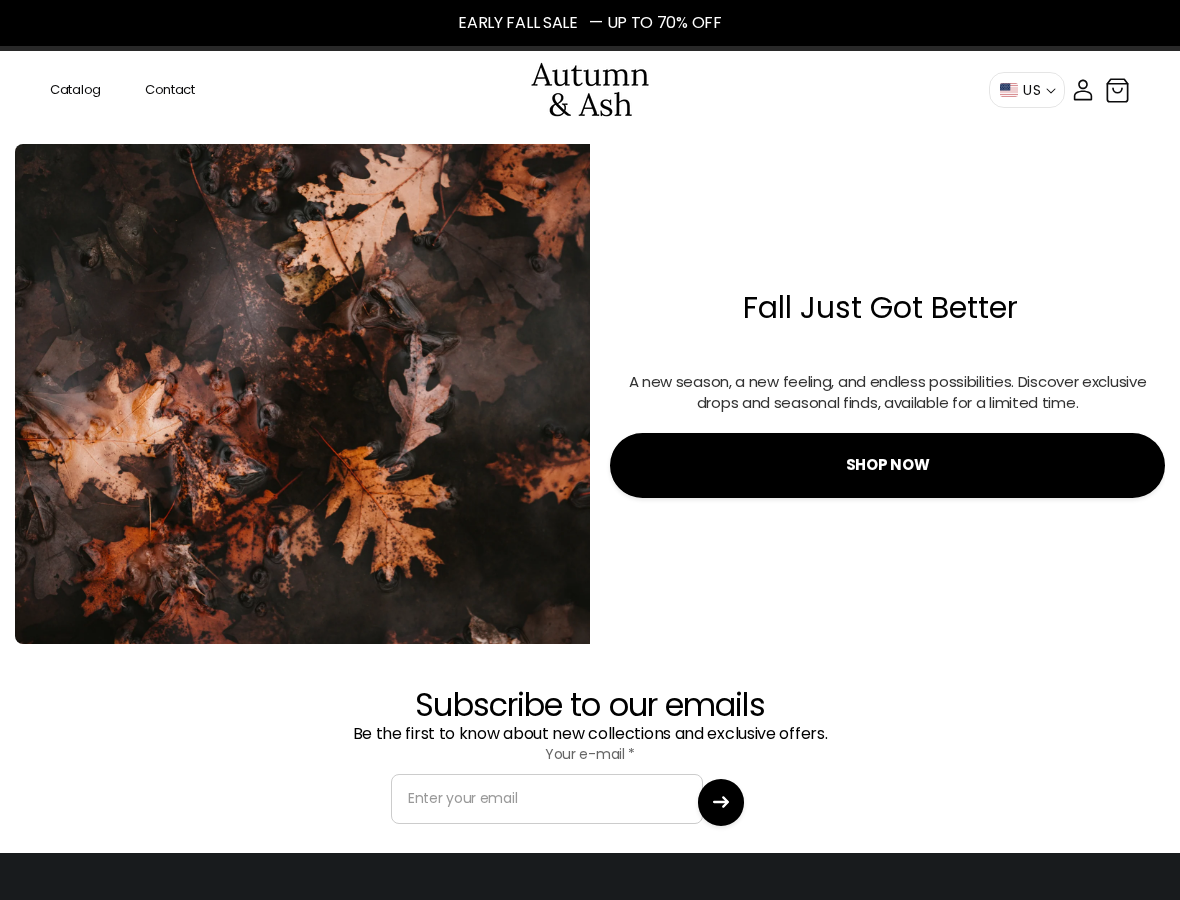
Autumn & Ash draws you in with fall colors and a sale banner, just as you start thinking about making your home feel a little cozier.
The colors are inviting and the sale looks generous. Before checking out, it is worth asking what happens if your purchase is not quite right.
Overview
The returns policy makes this a poor choice for flexible shopping
If easy returns matter to you, pass on autumnandash.co. Its reviewed policy gives the merchant considerable discretion while leaving shoppers a very short defect-reporting window.
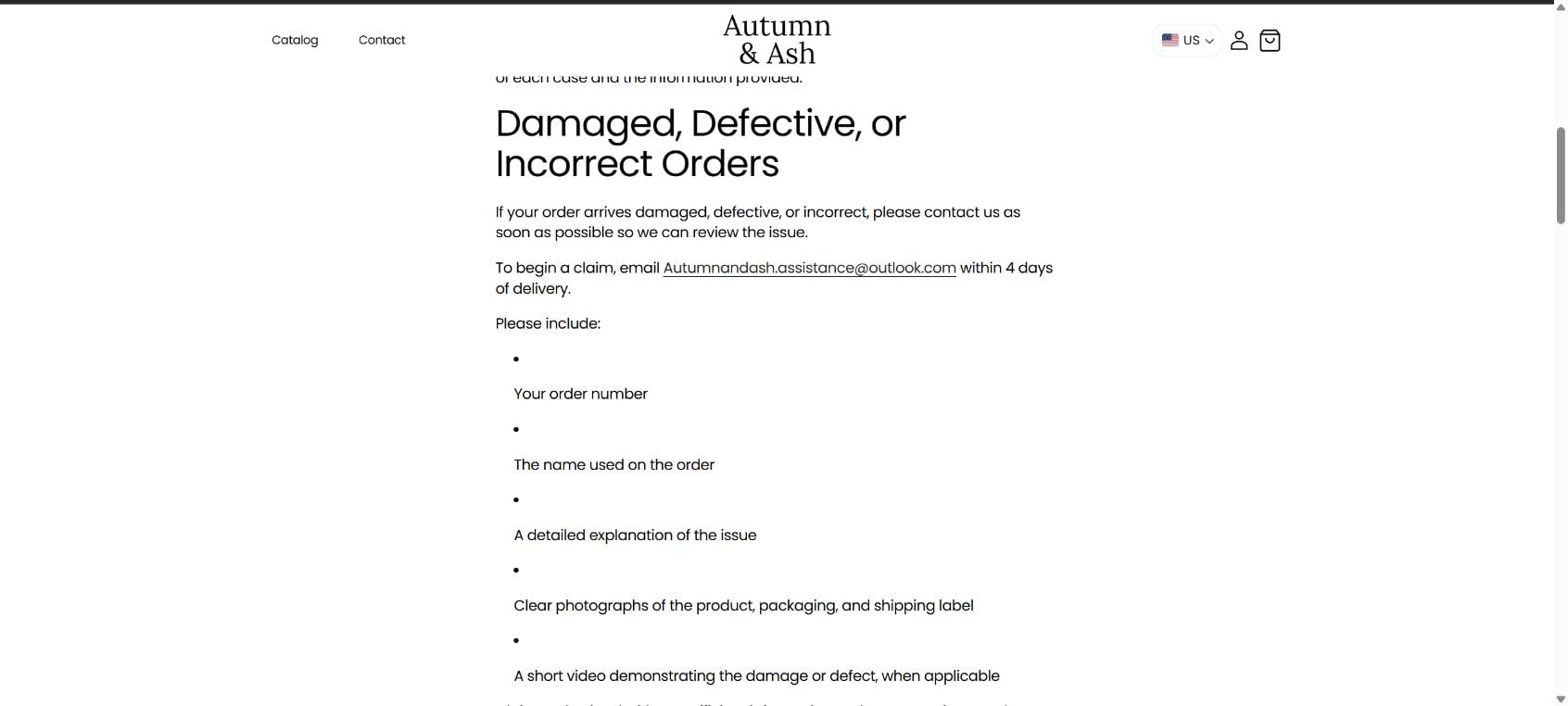
Customers are told to report damaged, defective, or incorrect orders within four days of delivery. Possible resolutions include a partial refund, replacement, or store credit.
That is not the same as a straightforward full-refund promise. Buying a seasonal item on impulse is particularly risky when ordinary changes of mind may not qualify.
The firm conclusion is about the purchase conditions, not a claim that every order is fraudulent or every product is worthless.
We reviewed the live store and formal policies on October 6, 2026. Their restrictions are enough to justify caution without inventing a criminal operation.
The seasonal discount is only one part of the transaction
The storefront promotes an early fall sale with savings of up to 70%. That is an advertising claim, not independently verified pricing history.
Its shipping policy separates processing from transit and allows longer waits during holiday demand. Custom-made items can require additional preparation.
The published contact email is Autumnandash.assistance@outlook.com. Reviewed formal pages did not clearly establish the legal company or physical return destination.
- Damaged or incorrect delivery claims have a stated four-day reporting window.
- Resolution is decided case by case, rather than promised as an automatic full refund.
- Wrong choices, mistaken purchases, and changes of mind may be excluded.
- Cancellation requests are allowed within 72 hours but are not guaranteed after processing begins.
- Processing and transit are separate parts of the estimated wait.
- The reviewed offer does not establish a refill or recurring product-payment scheme.
Keep the dot-co shop separate from similarly named businesses
This investigation concerns autumnandash.co. A similarly named Canadian decor and DIY studio uses autumnandash.com.
Those are different website addresses. We did not establish that the businesses share ownership, stock, policies, staff, or fulfillment.
Do not use the Canadian studio’s address or operating history to reassure yourself about an order placed with the dot-co shop.
Equally, do not attach this investigation’s concerns to that studio. Getting the merchant right matters before evaluating reviews or asking for assistance.
Why the Refund Terms Deserve More Attention Than the Sale
A reporting window can expire while a parcel is still unopened
Four days is a tight interval for recognizing and documenting a problem. A package may arrive while you are away or before you inspect a gift.
Consider a parcel delivered ahead of a weekend trip. Waiting until you return could already push your claim beyond the shop’s stated window.
That example is not a reported customer case. It illustrates why the deadline changes how you must handle delivery.
For seasonal goods, people often leave purchases wrapped until the occasion. Under this policy, putting the box aside is a poor strategy.
Ask when the period starts and whether the shop makes exceptions for defects discovered during first use. Preserve its answer.
Local rights and payment-provider protections may differ from the merchant’s wording. Do not assume a store policy conclusively settles every legal entitlement.
A remedy is not automatically a refund of everything you paid
The policy describes a review process and several possible resolutions. The business chooses an appropriate outcome after assessing the circumstances.
For a shopper, those outcomes are not interchangeable. Store credit ties your money to another purchase from the same merchant.
A replacement may help with a broken item, but it may not arrive before the occasion for which you ordered.
A partial refund leaves you bearing some of the cost. Before accepting one, establish what happens to the product and any outstanding claim.
There may be situations where a partial resolution is reasonable. The concern is buying without understanding that a complete reimbursement is not clearly promised.
Ask what the store offers for an unusable item, an incorrect order, and nondelivery. These are different issues requiring different explanations.
Changing your mind is different from receiving misdescribed goods
A product can be delivered and usable while still not being what you hoped for. Many return disputes start in that gap.
The shop’s exclusions may cover mistakes in choosing an item, size, color, or variation, as well as ordinary changes of mind.
That makes careful product selection essential. Save the description and measurements, not merely a small picture of the item in your cart.
If the delivered goods materially differ from the saved description, explain the specific mismatch. That is more useful than saying the product looks cheap.
Separate a stated material, dimension, function, or quantity from subjective preferences. Clear comparisons give support and payment providers something concrete to assess.
How the Autumn & Ash Shopping Funnel Works
Step 1: Seasonal presentation makes browsing feel time-sensitive
The storefront groups the purchase around fall shopping. Familiar seasonal imagery makes the products feel relevant to a moment that will soon pass.
The advertised sale can make comparison shopping feel like hesitation. You may start thinking about missing a discount before checking who will handle an order problem.
Nothing in a seasonal theme proves deception. The point is to notice what is directing your attention while material conditions sit elsewhere.
Open the policy pages before building a large basket. If their restrictions already make you uncomfortable, adding more items will not improve the transaction.
Step 2: The shopper evaluates the pictured item, not necessarily the delivered one
Online shopping removes the chance to inspect texture, construction, scale, and finish in person. Product descriptions therefore matter more than an inviting display.
For any item you choose, check materials, dimensions, included pieces, care requirements, and actual intended use.
We did not establish that the shop’s images were AI-generated or that its products came from China. Visual style is insufficient evidence for either conclusion.
However, an uncertain description is still a purchasing problem. Ask for a direct answer if a detail would determine whether you keep or return the item.
Do not let a warm boutique identity supply information that the listing has omitted.
Step 3: Checkout creates a commitment before the delivery estimate is tested
The shipping policy states processing of 1–3 business days, followed by an estimated 5–10-business-day transit period.
It also allows a total of 2–4 weeks during holidays and an additional 4–5 business days of preparation for custom-made goods.
Read the estimate attached to your chosen item. A made-to-order product and an ordinary stocked item may not follow the same timetable.
For a seasonal purchase, decide whether the longer estimate remains useful. A decoration arriving after its intended event may have little practical value to you.
The estimates do not independently reveal shipping origin. Slow transit alone cannot establish that a parcel is dispatched from a Chinese factory.
Before paying, verify quantity, shipping charges, tax, and optional extras. Save the final total so later comparisons are based on the authorized order.
Step 4: A cancellation request can race against processing
The refund policy permits a cancellation request within 72 hours. It also warns that cancellation or modification may be impossible once processing has begun.
That is not an unconditional three-day cooling-off promise. A customer requesting cancellation early could still be told the order is already being prepared.
If you notice an error, act immediately rather than waiting until the end of the stated period.
Ask whether the request was accepted and when the payment will be returned. A support acknowledgment does not necessarily confirm either.
For a planned purchase, request cancellation terms beforehand. A practical explanation should tell you what processing means and which milestone prevents a change.
Step 5: Delivery starts a short documentation deadline
Once goods arrive, the shop’s stated claim process becomes central. It asks for an order number, explanation, photographs, and a video when applicable.
The request can include images of the item, packaging, and shipping label. Discarding those materials immediately could make your claim harder to support.
Inspect promptly and describe the defect or wrong item accurately. Do not alter or misuse the product while trying to create a clearer demonstration.
Then ask for a specific remedy and keep the correspondence. A case-by-case policy makes written communication especially important.
The merchant also discusses carrier-confirmed delivery and shipping delays. A tracking entry may be relevant, but it does not answer every wrong-address or missing-contents dispute.
Company, Address, Support, and Fulfillment Checks
A boutique-style name does not disclose the merchant behind the payment
The dot-co site presents Autumn & Ash as its brand. The formal material reviewed does not clearly identify a registered legal entity.
Before purchase, ask which business issues the receipt and accepts the payment. Compare that answer with the card descriptor after ordering.
Different names may reflect a legitimate trading arrangement, but the relationship should be explainable. Brand presentation cannot replace merchant identification.
The terms discuss recurring marketing texts. That refers to messages, not evidence that shoppers automatically subscribe to recurring shipments or charges.
Do not fill an address gap with another company’s location
No clear physical return destination was established in the policy pages we examined. That leaves a practical question about where goods would go.
Request the country and complete address before buying. Postage, customs paperwork, and authorization requirements can materially affect the value of a return.
If the location is a logistics depot, identify it as such. A fulfillment warehouse is not automatically a fake address, corporate office, or factory.
The similarly named Canadian studio does not resolve this gap. Its location must not be assigned to the dot-co merchant without a verified relationship.
The Outlook mailbox is a contact route, not proof of service quality
The site publishes Autumnandash.assistance@outlook.com and says inquiries receive a response within 24 hours.
We did not test that promise. We therefore cannot say the mailbox is ignored, that staff never respond, or that cancellation is systematically refused.
A small business can legitimately use Outlook. The important issue is whether someone provides clear answers and carries out the resolution agreed in writing.
Before committing, ask about the four-day window and reimbursement for a defective delivery. A vague customer-care message would not settle those questions.
Manufacturing origin remains unverified
There is no verified basis in this review to label all the merchandise Chinese-made, counterfeit, or part of a particular dropshipping network.
Ask for product-specific manufacturer or supplier information where it matters, especially for electrical goods, children’s items, or products making performance claims.
A domestic-looking store can use overseas production legitimately. The useful distinction is transparent specifications and accountability versus unsupported premium positioning.
We did not purchase samples or compare factory records. Any conclusion about build quality or country of manufacture would require evidence beyond the store’s visual style.
What Would Make This Purchase Easier to Defend?
A workable policy should tell you what happens in ordinary, foreseeable situations. You should not need a dispute to discover the merchant’s preferred interpretation.
For this shop, seek written answers about damaged goods, late gifts, unwanted but accurately described products, and cancellation before shipment.
Ask whether the seller offers a full refund for an unusable item and whether shipping costs are reimbursed. Establish any return destination and authorization requirement.
Compare the answers with other sellers offering equivalent goods. Price is only one part of value; flexibility and predictable support count too.
An automated website score cannot settle those practical questions. Newness, HTTPS, and a storefront platform each provide limited information about merchant conduct.
Likewise, a critical review should not turn uncertainty into allegations. The policy here is restrictive enough to explain the recommendation without claiming facts we cannot establish.
What to Do If You Ordered From Autumn & Ash
- Check the receipt and act quickly on order mistakes.
Confirm the exact item, variation, quantity, total, and shipping address. If something is wrong, request correction or cancellation immediately through the published support email.
Refer to your order number and ask for written acceptance. Keep both the original request and the reply rather than relying on a conversation summary.
- Save the listing and the policies relevant to your purchase.
Capture the product description, measurements, material claims, expected delivery, and applicable return wording. Add the date and the order confirmation to the same folder.
These records help separate a genuine description mismatch from a preference issue. They also preserve what you were promised if the site later changes.
- Inspect the parcel as soon as delivery is recorded.
Because the shop states a four-day reporting period, do not leave the box unopened until a celebration or gift exchange.
Photograph the contents, outer packaging, and shipping label. Check the delivered variation and condition against your saved order details.
- Submit a focused claim with evidence and a requested outcome.
Describe exactly what is damaged, defective, missing, or incorrect. Include the photographs requested by the policy and a short video when useful.
Say whether you seek reimbursement, replacement, or another resolution. Ask what any proposed credit or partial refund means for the remaining complaint.
- Do not send goods back without clear instructions.
Obtain the complete destination, authorization, packing requirements, and responsibility for postage. Use tracking if you agree to return the item.
Keep the postage receipt and delivery record. A guessed address or untracked shipment can create another dispute rather than resolve the first.
- Discuss an unresolved issue with your payment provider promptly.
Explain the actual purchase problem and supply the receipt, seller correspondence, and comparison between the listing and what arrived.
Ask about deadlines and the process for your payment method. The CFPB explains credit-card dispute basics, including the importance of keeping written records.
A restrictive store policy does not determine every payment-provider or statutory remedy. Conversely, a dispute does not guarantee a refund.
- Report a documented misleading practice without embellishing it.
If appropriate, contact your consumer-protection agency with the specific advertisement, charge, promise, and response. Stick to events you can substantiate.
Do not identify an unrelated namesake as the merchant. Accurate reporting is more useful than broad accusations about a whole industry or country.
Frequently Asked Questions
Is autumnandash.co a confirmed scam?
This review establishes restrictive terms and merchant-transparency gaps, not confirmed fraud. Our recommendation is to avoid ordering if you need flexible, straightforward returns.
How long do I have to report a defective delivery?
The reviewed policy says to email within four days of delivery. Inspect promptly and preserve packaging, while checking any separate rights applicable to your purchase.
Does Autumn & Ash promise a full refund?
The policy describes discretionary resolutions, including partial refunds, replacements, and credit. Do not read that as an unconditional promise to reimburse the entire order.
Can I cancel within 72 hours?
You can request cancellation in that period, but the store says processing may prevent it. Ask immediately and obtain explicit confirmation.
Is this the Canadian Autumn + Ash decor studio?
This article concerns the dot-co store. We did not establish an ownership relationship with the similarly named Canadian business at autumnandash.com.
Are the items shipped from China or sold on subscription?
Neither claim was verified. Shipping estimates do not establish factory location, and recurring marketing messages are not recurring product payments.
The Bottom Line
The Autumn & Ash review points to a clear purchasing decision: skip this shop if you want an uncomplicated return or flexibility after ordering.
The short claim window, discretionary remedies, and incomplete merchant identification outweigh the appeal of a seasonal discount. Stronger accountability should come before payment.
For an existing order, inspect immediately, document any mismatch, request a precise resolution, and check payment-provider deadlines instead of letting a policy dispute drift.








