

PWR Posture Align Pro reviews catch your attention when another long day at a desk leaves you wondering whether a simple brace could help.
The promise is easy to picture: put it on, stand straighter, and feel more comfortable. The details behind that purchase deserve the same attention.
Overview
The clearest problem is conflicting return information
PWR Posture sells the Align Pro posture corrector through an active storefront. Our investigation found conflicting refund and cancellation conditions across its own pages.
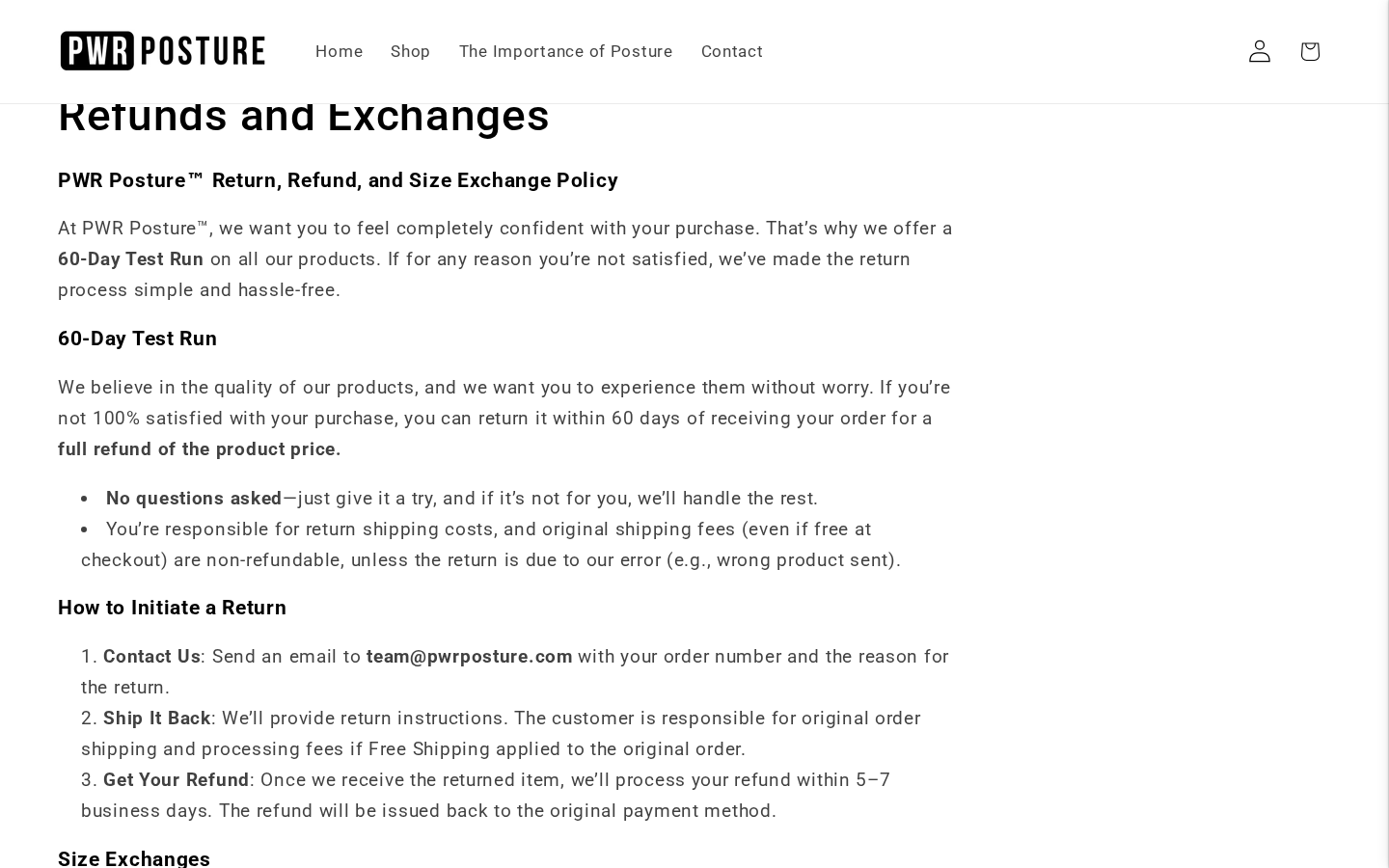
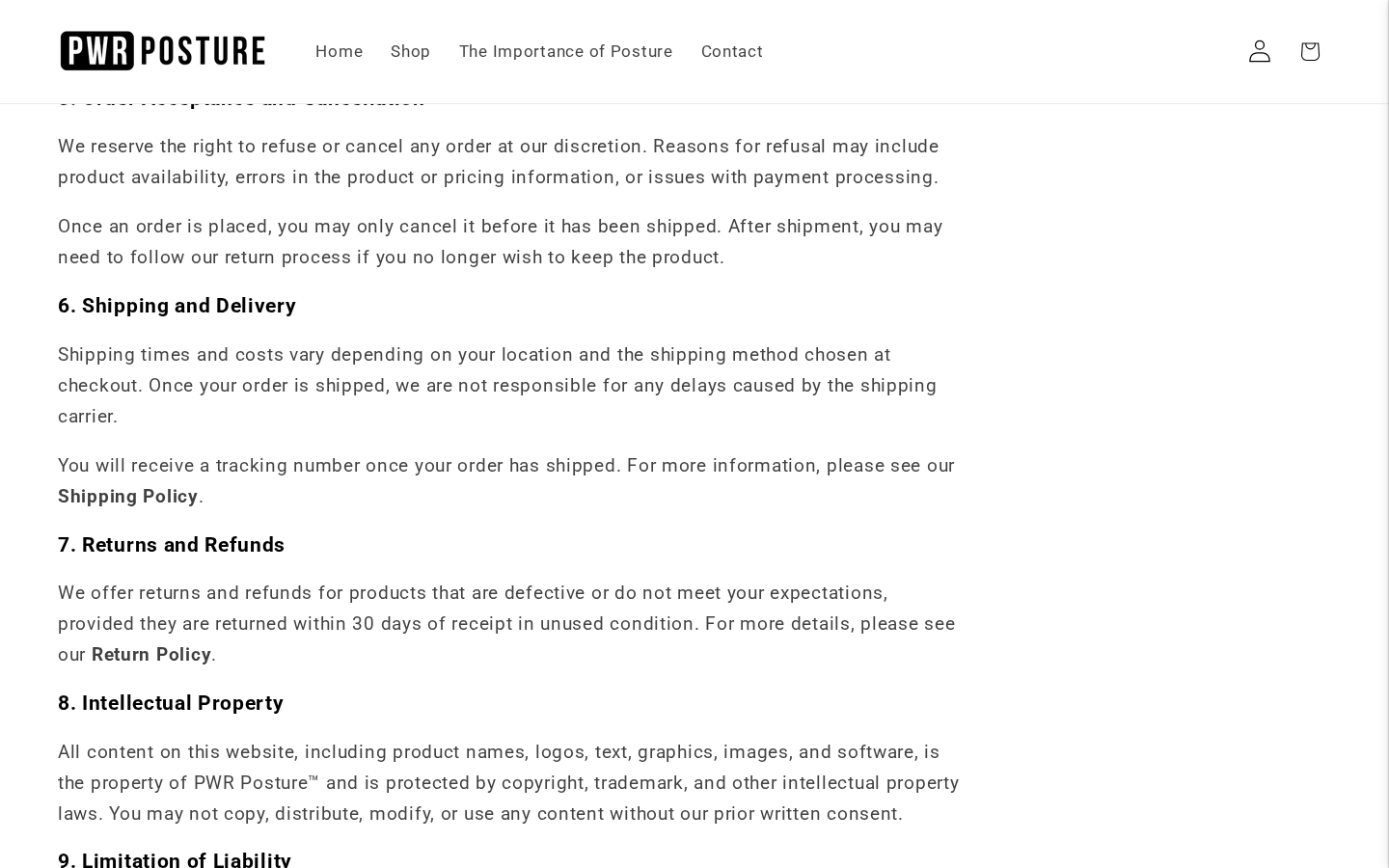
The refund page advertises a 60-day Test Run. The terms page instead describes a 30-day return period for unused items. That difference affects a buyer intending to try it.
Ask the seller which policy applies to your specific purchase before wearing the brace. A test period and an unused-item return are materially different arrangements.
What else buyers should verify
The pages checked October 8, 2026 also differ on cancellation timing. One specifies six hours after ordering; another permits cancellation before shipment.
- Return postage is the buyer’s responsibility in the described dissatisfaction process.
- The refund page mentions original shipping deductions even when checkout shipping was free.
- The terms retain unfilled website and currency placeholders.
- Promotional health claims require more support than a general approval badge.
Our conclusion about the product and offer
These policy conflicts justify a buyer warning. They do not establish that the brace is fake, that nobody benefits, or that every order involves fraud.
We have not tested the product or verified product-specific clinical results. The appropriate decision is to resolve the refund conditions and seek suitable health advice before buying.
If the seller will not confirm a used-product trial and precise deductions in writing, do not treat the advertised guarantee as a dependable way to test it.
A posture reminder is not a diagnosis
People buy posture products for different reasons. Some want a reminder while working; others hope to address persistent pain, injury, or a diagnosed spinal condition.
Those goals are not interchangeable. A product that feels helpful as a reminder has not necessarily demonstrated that it treats the cause of someone’s pain.
Consider what you expect the brace to do. Being able to describe that expectation clearly makes it easier to evaluate the offer and discuss it with a clinician.
Medical braces are selected for particular needs
North Bristol NHS Trust explains that spinal supports have different designs and may be selected for individual problems involving stability, movement, alignment, or pain.
That guidance does not endorse Align Pro. It shows why a consumer advertisement cannot replace an assessment when symptoms require care.
Ask a qualified professional whether a brace suits your situation and how to use it. The right question is about your needs, not simply whether braces exist.
Do not invent a wearing schedule from promotional photographs. Fit, pressure, duration, and symptoms deserve individual attention, especially after an injury or operation.
An approval badge needs an identifiable explanation
The storefront uses chiropractor-approval language. Ask who gave that approval, what they examined, and whether their assessment concerns this particular model.
A clinician’s involvement in designing an item is different from evidence that it improves pain in a controlled study. Each statement should have its own support.
We did not establish that a named professional was impersonated or that promotional footage was AI-generated. Such claims cannot be inferred from a familiar advertising style.
Likewise, a percentage of satisfied customers is not a clinical success rate. Understanding how the figure was collected is necessary before interpreting it.
How the PWR Posture Sales Funnel Works
Step 1: A familiar discomfort becomes a product story
The store and its sponsored article connect slouching and discomfort with the Align Pro. The narrative makes buying a brace feel like a straightforward next step.
Recognizing a problem does not establish its cause. Notice whether the advertisement moves from a common experience to a broad health conclusion without supporting evidence.
The sponsored page discusses the product as an alternative to chiropractic care. That comparison should not persuade someone to abandon care already recommended for their condition.
Save the exact benefit that matters to you. A later dispute is easier to explain if you can identify the advertised promise rather than recalling a general impression.
Step 2: Discount and trial language reduce hesitation
An attractive sale and a trial promise can make the purchase feel reversible. That impression depends on the actual rules for trying and returning the item.
Compare the price with similarly specified products, including material, size range, support design, and included services. A crossed-out figure alone does not establish exceptional value.
Read beyond the guarantee badge before entering payment details. Ask whether the refund means the product price or the full amount paid.
Free delivery and a full product-price refund can still leave deductions. The seller should explain the amount before you rely on the test offer.
Do not assume the company will apply the most generous page automatically. Conflicting policies create a question that needs resolution, not a safe assumption.
Step 3: Size selection determines whether a trial is practical
A brace needs to fit the intended wearer. Use actual measurements and the current chart instead of selecting the size normally used for a T-shirt.
Ask which measurements matter and how the product should feel when fitted. A description such as adjustable does not establish that every body type will suit it.
Check whether a size exchange requires returning the original and whether any additional expense applies. An exchange promise should explain the procedure clearly.
Keep the selected size and chart with the order record. If the item differs from the listing, that evidence distinguishes a seller error from a selection mistake.
We did not find proof of forced subscriptions in this purchase journey. This review concerns the guarantee, cancellation, and product claims actually present.
Step 4: The order can become harder to reverse quickly
The refund and exchange page sets a six-hour cancellation window. The terms instead refer to cancellation before dispatch.
For a buyer who changes their mind overnight, those rules could produce different outcomes. Request a clear answer before purchase, rather than testing which version support applies.
If you already ordered, act promptly and ask for the actual shipment status. A request to cancel is not complete until the seller confirms the result.
A tracking number may initially represent a label rather than carrier possession. Record the status and time without assuming that it proves dispatch or deception.
Explain whether you want cancellation, a size change, or delivery information. Mixing several requests in one message can obscure the action you need.
Step 5: Wearing the brace raises the unused-condition question
The two return descriptions become especially important after fitting the product. A shopper cannot evaluate comfort meaningfully without at least trying it.
Ask whether indoor fitting and a period of wear qualify under the Test Run. Request any limits concerning tags, packaging, washing, or signs of use.
For a hypothetical $60 brace, $12 return postage and a $10 deduction would leave $38 recovered. These figures illustrate the calculation, not PWR’s actual charges.
Obtain the real amounts and destination from support. Return economics should be transparent enough that you can decide whether the trial is worthwhile.
Do not continue wearing an uncomfortable product merely to complete an advertised test period. A buying policy does not determine what is medically suitable.
Company, Address, and Fulfillment Checks
The legal identity needs clearer documentation
The examined terms identify the brand but retain placeholders for the website and currency. We did not independently establish a registered operator from these pages.
Unfinished template fields are an editing concern, not proof of a fake company. Still, a buyer should be able to identify who takes payment and owes the refund.
Ask for the legal business name and compare it with the receipt. A recognizable brand logo cannot supply missing transaction identity.
Obtain a usable return address
The refund instructions say the seller provides return details after contact. We did not verify the return country or warehouse’s relationship to the operator.
Ask for that information before deciding the trial is low risk. Postage and delivery times vary substantially with the destination.
A logistics depot may handle returned braces without designing or manufacturing them. Its existence should not be described as proof of either legitimacy or fraud.
Support performance must be tested through real replies
The refund page supplies team@pwrposture.com. The contact form claims a response within 24 hours, but we did not test that service level.
Send a focused question about the conflicting policies. A reply quoting another general promise does not resolve whether a used brace qualifies for your purchase.
Save the answer and request clarification if it omits the deadline or deductions. Keep the communication connected to the official order.
Specifications matter more than origin assumptions
We did not establish a manufacturing country. A posture product should be evaluated through its materials, size instructions, design, warnings, and traceable supplier information.
Ask whether the product has model-specific instructions and what limitations the maker gives. That is more useful than a broad statement that the item is premium.
Different products can share a similar appearance. Do not claim they are identical or from the same factory without matching evidence.
Before relying on the Test Run
Get a written answer that applies to the exact Align Pro offer. The questions can be short, but the response must be specific.
- Is this purchase covered for 60 days or 30 days after delivery?
- Can I wear the product during that period and still return it?
- What original shipping or processing amount would be deducted?
- What is the authorized return location and expected postage responsibility?
- Does cancellation depend on six hours passing or actual shipment?
- What happens if the correct size is unsuitable or unavailable for exchange?
These questions address the value of the offer directly. A clear seller answer could resolve uncertainty; an unanswered conflict is a reason to postpone buying.
Also consider whether you would buy the brace without the trial promise. If the guarantee is what makes the decision acceptable, its details deserve particular scrutiny.
What to Do If You Ordered PWR Posture Align Pro
- Preserve both policy versions.
Save the guarantee page, terms, order confirmation, and purchase date. Include the statement that encouraged you to believe you could try the brace.
Keep the selected size, measurements, and product description. A refund disagreement often turns on what was promised for the exact item ordered.
- Request cancellation immediately when appropriate.
Contact team@pwrposture.com and identify the order. Ask for cancellation rather than merely saying you are unsure about keeping it.
If the request is refused, ask which policy applies and whether the package has left. Retain the response and tracking status for your records.
- Resolve trial eligibility before extended use.
Ask in writing whether trying and wearing the brace is allowed under your guarantee. Request the deadline, return address, and any deductions.
While awaiting clarification, retain packaging and tags. Avoid alterations or washing that could make the item’s original condition difficult to establish.
- Prioritize comfort and health.
Stop using an over-the-counter brace that causes new pain, numbness, or concerning pressure, and seek qualified guidance. Follow separate clinical instructions for a prescribed medical brace.
Persistent or worsening symptoms should be assessed instead of managed through a seller’s support script. Bring the product instructions to the appointment if relevant.
- Return through the agreed procedure.
Get authorization and a written refund calculation. Package the item securely, use the required delivery method, and keep dispatch and delivery records.
Record the refund amount promised after receipt. A broad guarantee is less useful during follow-up than a specific written agreement about your return.
- Escalate an unresolved transaction accurately.
Ask your payment provider about a dispute if the merchant will not honor a documented promise or address a material product mismatch.
Provide both policy versions and the communication timeline. Explain the actual disagreement without alleging clinical ineffectiveness or fraud beyond the evidence you have.
Frequently Asked Questions
Is PWR Posture Align Pro proven to be a scam?
We found policy conflicts and claims requiring clarification, not proof that the product or every transaction is fraudulent.
Does PWR offer 60-day or 30-day returns?
The refund page advertises 60 days, while the terms say 30 days and unused condition. Obtain confirmation applying to your order.
Does free shipping mean the full payment comes back?
Not necessarily. The refund page mentions original shipping and processing deductions even for free-shipping orders, so ask for the exact calculation.
Can a posture corrector replace medical care?
A consumer brace cannot diagnose your pain or establish a treatment plan. Ask a qualified clinician about persistent symptoms and whether the product suits your situation.
What is the cancellation deadline?
Published pages differ between six hours and pre-shipment cancellation. Act promptly and request a written decision rather than assuming either version will control.
What would make the trial offer easier to trust?
A clear written statement allowing actual use, identifying the deadline and return location, and specifying every deduction would resolve the main uncertainty.
The Bottom Line
PWR Posture Align Pro reviews should examine the guarantee as closely as the brace. The conflicting return conditions affect whether a meaningful trial is possible.
Get the controlling policy and refund amount confirmed before ordering. For pain or other symptoms, base the health decision on qualified advice rather than a sales promise.








