

Coursiv reviews often begin with the same thought: AI is moving quickly, and you would like a practical way to catch up without feeling overwhelmed.
A short daily challenge sounds manageable. Before choosing a plan, give the payment details the same attention you would give the lessons.
Overview
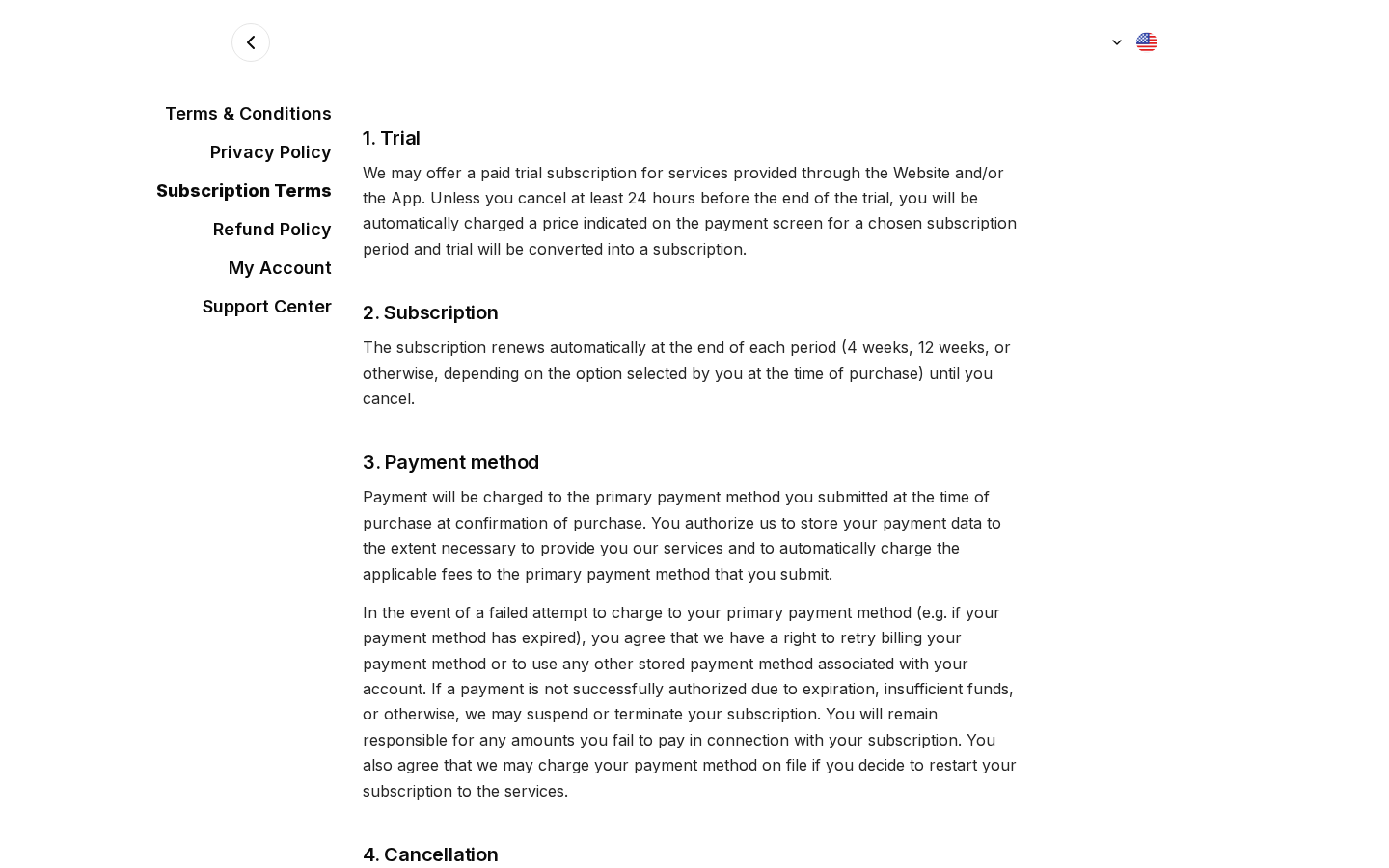
Coursiv is an education subscription with continuing charges
Coursiv operates an AI-learning platform. The concern examined here is the financial arrangement: paid trials can convert into subscriptions, and selected plans renew automatically.
Buying access to a challenge does not necessarily buy a standalone course that ends when the challenge does. Confirm the billing period and renewal amount.
Our recommendation is to postpone payment until you know today’s total, the next charge, and the route for canceling the particular plan offered.
The refund offer depends on not using the product
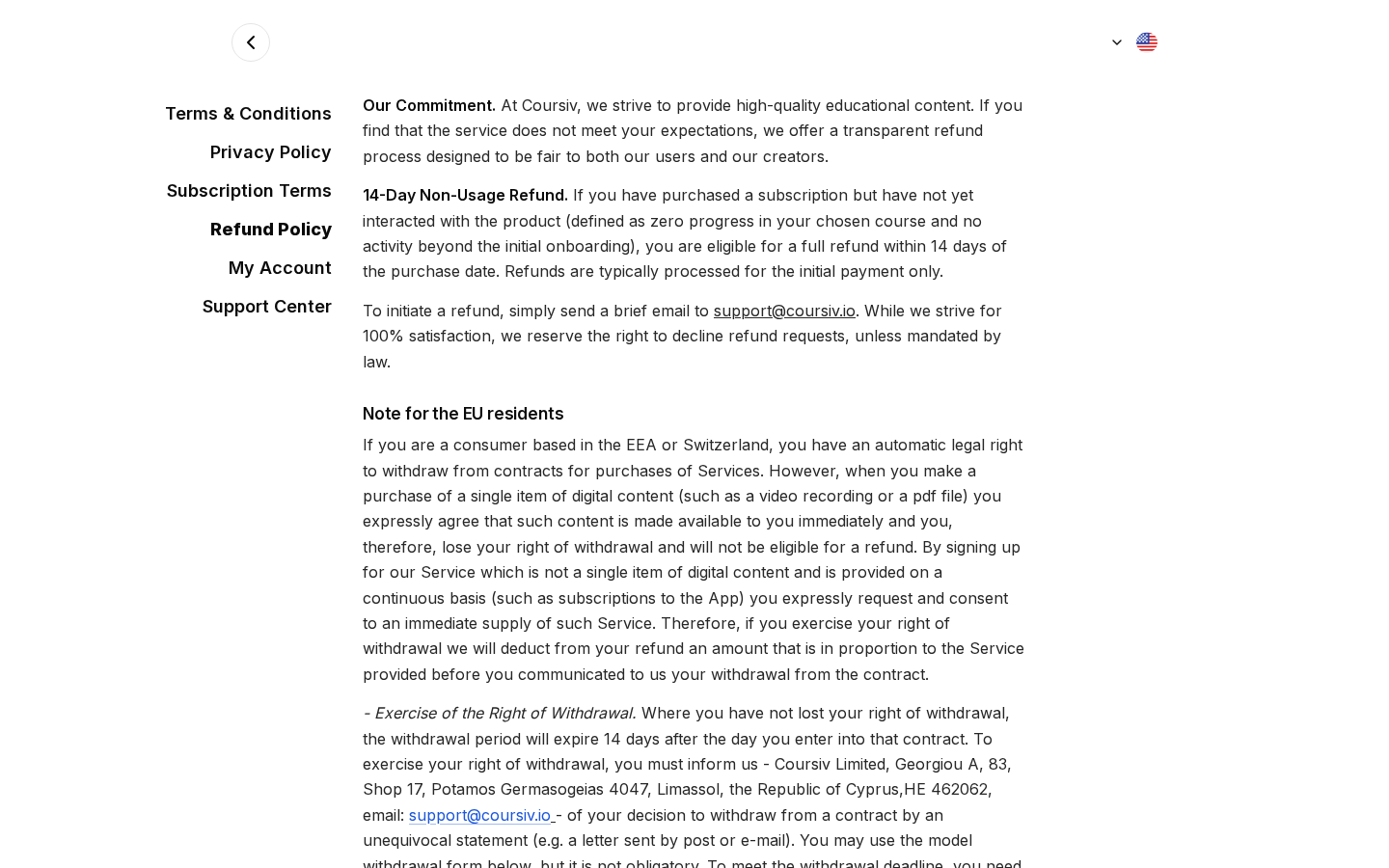
The refund policy examined describes a 14-day non-usage refund. It defines that condition as zero course progress and no activity beyond initial onboarding.
That is materially different from trying lessons for two weeks and deciding whether they suit you. Determine what happens to refund eligibility before beginning coursework.
- Check whether the introductory price differs from renewal pricing.
- Identify whether payment happens through the website, Apple, or Google.
- Review what the company counts as course activity.
- Keep confirmation that automatic renewal has actually been disabled.
The evidence supports billing scrutiny, not a fake-app allegation
These findings come from public pages reviewed October 8, 2026. We did not purchase access, assess the complete curriculum, or test cancellation on a paid account.
A real subscription with restrictive refund terms is not automatically fraud. The important question is whether the offer you accept matches your expectations and intended use.
The platform’s existence also does not guarantee employment, income, or recognition of its certificate. Evaluate those expectations separately from access to educational material.
What a 28-day challenge does and does not tell you
A learning timetable explains how a program is organized. A payment timetable explains how you are charged. Those two calendars can run independently.
You might finish a challenge, stop opening the app, and still have an active subscription. Completion of lessons is not a substitute for cancellation.
Before paying, ask what access continues afterward. Decide whether you want that ongoing service or only the introductory learning period.
Four-week billing differs from monthly billing
A four-week period is 28 days. Repeated four-week charges can occur thirteen times over 52 weeks, rather than twelve times like a monthly schedule.
For a hypothetical $25 four-week plan, thirteen periods total $325. Twelve monthly payments would total $300. This example is not a Coursiv price quote.
The calculation helps compare a selected offer with another learning option. Use your actual renewal amount and interval, including taxes or separate purchases where applicable.
A weekly trial introduces another distinction. Its low initial price cannot be used to estimate the cost of a longer plan without reading the conversion terms.
A certificate needs its own evaluation
Coursiv promotes certificates for completed learning. Ask what the certificate certifies, who issues it, and what assessment is required to earn it.
A completion certificate can document participation without being an accredited professional qualification. An employer decides what relevance it gives that record.
A company logo under wording about users’ employers does not establish that the company endorses or accredits the program. Read the wording carefully.
Choose training for the skills and practice it provides. Do not treat a certificate image or testimonial as a guarantee that a job will follow.
How the Coursiv Subscription Journey Works
Step 1: The quiz turns a broad goal into a suggested plan
The site invites visitors to answer questions and view a personal learning plan. That can help organize interests, but it does not assess every professional need.
Decide what you want to learn before completing the exercise. Writing emails, creating images, building applications, and automating work require different kinds of practice.
Ask for a syllabus or representative lesson. A plan labeled personal should still show concrete tasks and explain the level of instruction.
There is no need to pay merely because you spent time answering questions. The quiz’s completion does not establish that the purchase is suitable.
Step 2: The payment screen sets the actual offer
The pricing page describes one-week, four-week, and twelve-week plans. It says available options and costs are shown through the selection process.
Record the initial charge, renewal amount, period, and any trial deadline. Do not infer a universal price from an unrelated shopper’s old screenshot.
Check whether extra tool access, a guide, or another item is a separate purchase. A learning subscription may not include every service pictured in its advertising.
Compare that offer with your intended learning schedule. A cheaper longer commitment is still a poor fit if you only need a short introduction.
Save the final selection before paying. It supplies a concrete reference if the receipt or subsequent charge differs from your understanding.
Step 3: A paid trial can convert automatically
The subscription terms describe automatic trial conversion unless canceled at least 24 hours before the trial ends.
Put the relevant deadline in your own calendar. A trial can require action before its final day, not simply after you decide whether the content is useful.
Identify the correct account and purchase email. Multiple sign-in methods can make it difficult to locate the subscription that received the payment.
Keep the receipt available when asking support for help. An account without an obvious plan does not prove that no other account or payment channel is subscribed.
Step 4: Starting lessons affects the non-usage refund route
The refund page links its advertised non-usage option to zero progress. Reading the policy after using lessons can be too late for that particular condition.
Ask what counts as progress if you are uncertain. Opening a lesson, completing an exercise, and viewing onboarding may be treated differently.
The company describes refunds as typically applying to the initial payment. Do not assume the same offer automatically covers each later renewal.
Applicable legal rights can differ from a company’s voluntary offer. If you have a dispute, seek guidance relevant to your location and purchase channel.
We have not assessed an individual contract’s enforceability. The practical point is to understand the published condition before relying on it.
Step 5: Cancellation depends on the purchasing channel
A web purchase and an App Store purchase can appear in different billing systems. Canceling in the wrong place may leave the actual arrangement active.
For website subscriptions, the terms describe account subscription settings. For Apple or Google purchases, use the applicable store’s subscription controls.
Deleting the app does not cancel the plan. Nor does finishing a challenge or deciding not to log in again.
Look for confirmation that renewal is off and note the access end date. If cancellation is incomplete, a retention offer or pause is not the same outcome.
Stopping future renewal and obtaining a refund are separate requests. Make both explicit when you need both actions.
Company, Address, and Billing Checks
The documents identify Coursiv Limited
The legal pages name Coursiv Limited and show company number HE 462062. We did not independently authenticate its registry status in this review.
Compare the legal identity with your receipt and any statement descriptor. Ask support to explain an unfamiliar billing name before assuming another business took the payment.
A trading name, app name, and payment processor can differ legitimately. The relationship should nevertheless be explained clearly when you query a charge.
The Cyprus address is a contact detail, not an accreditation
The pages list Georgiou A, 83, Shop 17, Potamos Germasogeias, 4047 Limassol, Republic of Cyprus. We have not inspected that location.
A physical address helps identify the operator, but it cannot validate a curriculum or guarantee a refund. Those require separate evidence.
Do not describe the location as fake or a mailbox without verification. Use the published details for a relevant formal inquiry when appropriate.
Support needs enough information to locate the payment
The listed email is support@coursiv.io. Include the purchase date, account email, transaction reference, and platform when requesting billing assistance.
Do not send full card details or passwords in a support message. Relevant identifiers should locate the transaction without exposing unnecessary financial information.
We did not measure response speed or complete a paid cancellation. A claim that support always refuses refunds would exceed this investigation.
Educational access and external AI tools are separate products
A lesson about an AI service does not necessarily include that service’s paid subscription. Check what tool access or usage allowance your plan actually supplies.
Compare course fees with any additional software expenses required for exercises. A budget based only on the introductory charge can miss those costs.
Also ask how current the lessons are. Fast-changing software can make a demonstration less useful even when the course remains available.
A few questions that make the decision clearer
Evaluate the program through tasks you want to perform. A list of recognizable AI brands is less useful than a demonstration of what a lesson helps you accomplish.
- Can I view the syllabus and an example appropriate to my skill level?
- Which tool features are included, and which require separate payment?
- What exactly is charged after the introductory period?
- Does the plan renew every four weeks or every calendar month?
- What activity would disqualify a non-usage refund?
- Where will I find the final cancellation confirmation?
Clear answers can support an informed purchase. An unanswered question about the next charge or refund condition is a reason to pause.
Ask whether exercises require uploading workplace files. Use nonconfidential practice material unless your organization’s rules expressly permit external processing of the information.
You do not need to decide that every online course is bad to reject an unsuitable plan. The financial arrangement must work for your intended use.
What to Do If You Paid for Coursiv
- Locate the receipt and active subscription.
Identify the account email, payment channel, initial period, and next charge. Compare those details with the offer saved when you signed up.
If you cannot find the plan, contact support with the relevant transaction reference. Avoid creating a second paid account while trying to locate the first.
- Disable renewal through the correct system.
Use the web account for a direct purchase or the appropriate store settings for an Apple or Google subscription. Follow the current cancellation instructions.
Retain the confirmation and access end date. Confirm that you canceled rather than merely paused the plan or accepted a new offer.
- Make a separate refund request where applicable.
Explain the purchase date, course activity, amount, and reason. Ask whether the published non-usage condition applies to your circumstances.
If you already used lessons, say so accurately. Do not invent zero progress to fit the policy; request a decision based on the actual situation.
- Preserve evidence of a disputed charge.
Save the payment screen, receipt, renewal notices, cancellation record, and support messages. Arrange them by date so the sequence is clear.
For a price mismatch, identify the specific amount represented and the amount charged. A precise comparison is more useful than a general accusation.
- Escalate through the payment provider when needed.
If a documented problem remains unresolved, ask the responsible store or issuer about its dispute procedure and deadline. Provide the relevant records.
Distinguish an unwanted authorized renewal from a payment you never authorized. The explanation affects which process is appropriate.
- Verify the result on the next billing date.
Check that the subscription status remains canceled and no renewal appears contrary to the confirmation. Verify any promised refund has reached the original account.
Keep records until the issue is settled. Do not share account credentials with someone claiming they can recover course fees for an advance payment.
Frequently Asked Questions
Is Coursiv a fake AI-learning app?
The platform operates a real learning service. This review concerns billing expectations and refund conditions, not a finding that the app is fabricated.
Does completing the challenge cancel my subscription?
No. A course timetable and recurring payment arrangement are separate. Disable renewal through the purchasing channel if you no longer want ongoing access.
Can I try the lessons for 14 days and obtain a guaranteed refund?
The examined offer is a non-usage refund requiring zero course progress. It should not be interpreted as an unrestricted two-week trial of lessons.
Why might a subscription be missing from Apple settings?
A direct website purchase may be managed through Coursiv rather than Apple. Check the receipt before deciding where to cancel.
Does the certificate guarantee employment?
No employment outcome was established in this investigation. Evaluate the syllabus, practical skills, certificate requirements, and relevance to your intended work.
Does uninstalling Coursiv stop its charges?
No. The terms explicitly separate deleting the app from canceling a subscription. Retain confirmation that automatic renewal is disabled.
The Bottom Line
Coursiv reviews should explain the continuing subscription and the non-usage refund condition. A short challenge can carry a longer financial arrangement.
Check the next charge, activity restrictions, and cancellation route before paying. Choose the program for useful instruction, with expectations its curriculum and terms can support.








