

The number on your screen looks familiar. The caller says they’re dealing with a postal problem, and a routine delivery question suddenly feels much more serious.
A USPS phone call scam can lean on a real contact number. Before deciding what the display proves, listen carefully to what the caller wants you to do.
Overview
A genuine number can appear on a fraudulent incoming call
Caller ID is not a reliable identity check. An impersonator can make an incoming call display a number associated with a real organization.
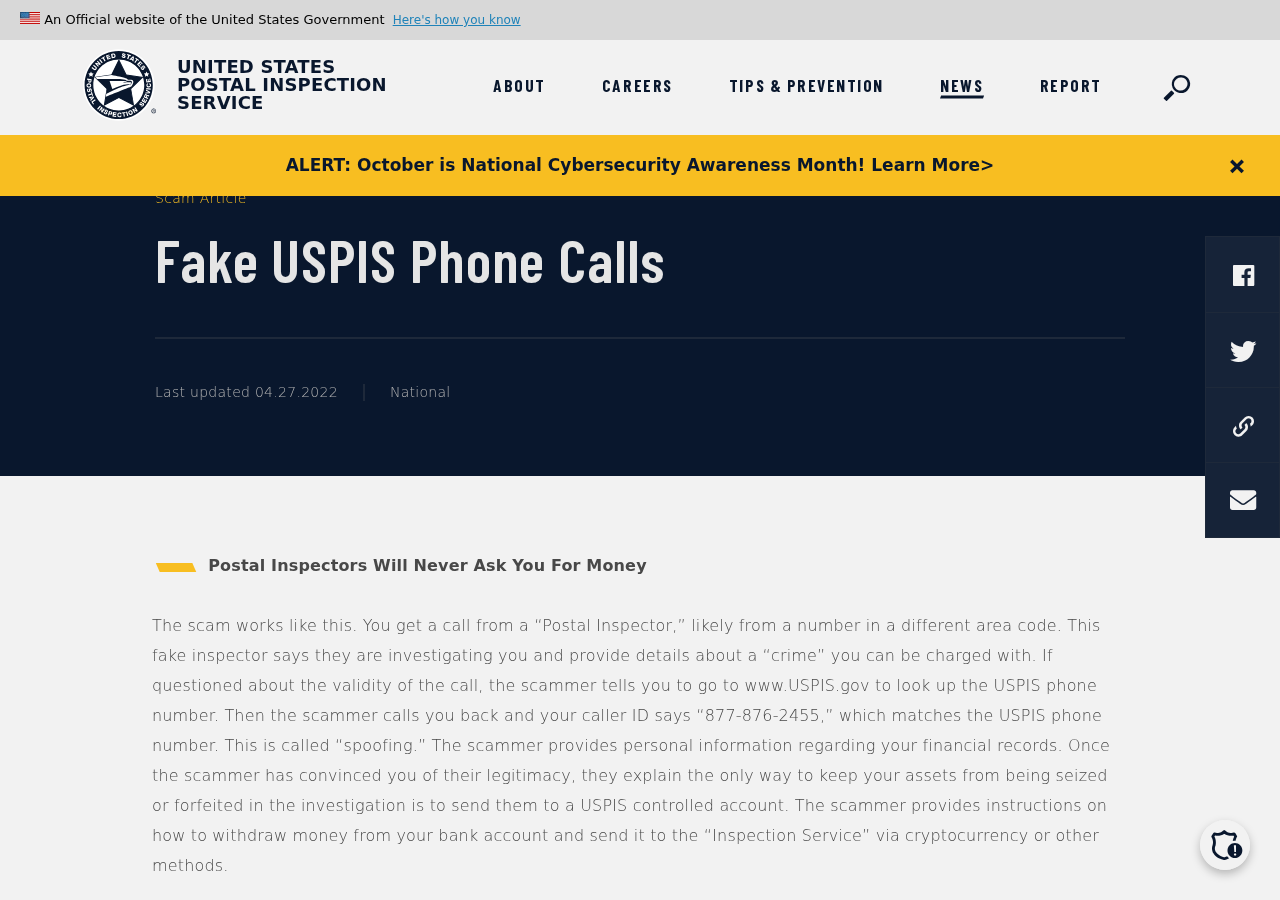
The U.S. Postal Inspection Service’s official warning documents scammers displaying its genuine contact number while pretending to investigate the recipient.
That warning is dated April 27, 2022. It explains an established impersonation tactic, not proof that a particular call today came from the same people.
The image is an original capture of the agency’s warning page. It is not a screenshot of a victim’s incoming call or an authentication of a caller.
The dangerous turn is from a postal problem to your money
The caller may introduce a supposed crime, parcel investigation, or identity problem. The conversation then shifts toward personal information or a transfer supposedly needed to protect assets.
USPIS says postal inspectors will not ask you to send money to resolve an issue. A payment instruction is not made legitimate by an official-looking caller ID.
Do not withdraw, transfer, or convert savings because someone on the phone says that is how to cooperate. End the conversation and verify the allegation independently.
This warning concerns the impersonation. It does not accuse the genuine Postal Service, Postal Inspection Service, or an unrelated subscriber whose number was displayed.
Separate customer support from a claimed investigation
USPS lists 1-800-ASK-USPS, or 1-800-275-8777, for customer care. USPIS lists 1-877-876-2455 for contacting postal inspectors.
Those are different real contact routes. Recognizing either number on an incoming call does not establish who is speaking.
Pay attention if the caller:
- Claims your name is connected to a crime involving mail.
- Turns a delivery question into demands about banking or identity records.
- Offers to demonstrate legitimacy by calling back from an official number.
- Insists you must transfer money to keep it safe.
- Discourages you from checking with the real agency or your bank.
You do not have to resolve an allegation during the first call. A reference number is something to verify, not a reason to surrender control of money.
Why Looking Up the Number Can Still Leave You Exposed
The number can be real while the connection is not
You search an official website and find the number the caller mentioned. That checks the published number, not the identity of the person currently speaking.
In the documented USPIS scheme, the impersonator encourages that lookup, then calls back with the matching number displayed. The apparent verification is part of the approach.
The missing step is an independent connection you initiate yourself. Finish the suspicious call before using a genuine contact route obtained separately.
If you are unsure the original connection has ended, use another trusted phone. Do not accept the caller’s instructions about how to place the verification call.
Personal details do not give a stranger official authority
A caller who knows a name, address, or financial detail can sound informed. You may feel they must be reading from an official case.
You still do not know how they obtained that information or whether their explanation is true. Do not fill in missing details to help them sound more convincing.
Record the claim in your own words. Ask the genuine organization about it through a separate route rather than trying to prove yourself to the caller.
An intimidating tone does not create a safe payment method
A threat can make ordinary caution feel like obstruction. The caller may frame a transfer as cooperation, security, or a temporary administrative requirement.
The FTC’s fraud-response guidance warns about impersonators directing people to move money for protection. Changing the label does not change the payment.
Do not argue over whether the account is supposedly safe or temporary. Stop the transfer and discuss the instruction with your actual bank.
How the USPS Phone Call Scam Works
Step 1: A postal identity makes you willing to listen
The contact introduces a recognizable service or a supposed inspector. A delivery, parcel, or postal record gives the conversation an ordinary starting point.
You may be expecting mail, so the timing feels plausible. That coincidence does not tell you whether this caller has anything to do with your shipment.
A real delivery issue can be checked separately. You do not need to disclose identification or financial information just to learn what the stranger is alleging.
Notice when the topic moves away from ordinary support. A supposed delivery problem should not become your reason for following unverified banking instructions.
Step 2: The caller introduces an allegation that feels urgent
In the official warning, the impostor says they are investigating the recipient and describes a crime. The claim changes the emotional stakes of the conversation.
You may start explaining your innocence instead of checking who is asking. That reaction gives the caller more time and potentially more personal information.
Keep the two questions separate: is there a genuine issue, and is this person authorized to discuss it? Neither is settled by the caller’s confidence.
Do not accept a financial demand to make an allegation disappear. You can take a genuine concern seriously while refusing an unverified caller’s instructions.
Step 3: A matching caller ID seems to confirm the story
The caller may suggest checking an official website for the agency’s number. A later call displays that number, appearing to answer your doubts.
But both conversations can still be controlled by the same impersonator. The match proves only that the number on the screen resembles the published contact.
End the connection and initiate your own verification. Do not use a transfer, extension, or contact supplied solely by the suspicious caller.
A badge number, reference, or second voice can create the same false reassurance. Check the organization through a route that the caller does not control.
Step 4: Protecting your assets becomes a request to move them
The supposed investigator says your assets could be seized or that a transfer is required. Money sent away is presented as money being protected.
The USPIS warning specifically describes transfers supposedly going to an agency-controlled account, including cryptocurrency or other methods. That is the deception, not an official protection process.
Do not withdraw cash, buy cryptocurrency, or authorize a transfer under those instructions. Contact your bank independently if a transaction is already in progress.
Someone claiming a transfer will be refunded later still needs to be verified. A promise of return does not make an unverified destination safe.
If the caller says your bank will misunderstand, that is not a reason to conceal the request. Explain exactly what you were told.
Step 5: Continued contact can prolong the pressure
A new call, repeated case reference, or supposed supervisor can make the allegation feel independently confirmed. They may simply be continuing the original story.
Do not pay another charge to complete, cancel, or reverse the first instruction. A person involved in taking the money should not choose its recovery route.
Write down what happened and contact the real providers. You don’t need the caller to admit the deception before you ask for help.
If someone makes an immediate threat to your physical safety, contact appropriate local emergency help. Do not continue negotiating a payment as a substitute for safety.
Verify the Right Organization Without Following the Caller
For a real delivery question, use ordinary USPS support
The Postal Service’s contact page lists its customer-care number and other support options. Choose the route suited to the actual postal problem.
Use a tracking reference from your genuine purchase or shipment record, not one introduced only by the suspicious caller. Check what the real service can tell you.
A legitimate support inquiry does not require you to send savings to an investigator. Keep delivery support and the caller’s financial demand separate.
For an alleged postal investigation, contact USPIS independently
The agency’s warning directs people to call 1-877-876-2455 to check a suspicious contact. Obtain the number from the official website yourself.
Tell the agency what the caller claimed and asked you to do. A case number alone may not give a real employee enough to check.
Keep any official advice or reporting reference you receive. A new unsolicited caller who knows the old case number still needs independent verification.
Do not let this warning make you ignore genuine correspondence
Rejecting a demand on the phone does not resolve every possible postal or legal matter. Verify any real notice through the organization identified on it.
Use independently located contact details, especially if the notice repeats the suspicious caller’s payment instructions. Do not rely on a link or QR code as its own authentication.
If legal papers appear genuine and require a response, obtain qualified advice appropriate to your situation. An online scam guide cannot decide the status of an actual case.
What to Do if You Have Fallen Victim to This Scam
-
End the conversation and stop pending instructions. Do not make another transfer, visit a payment location, or provide another document to complete the supposed investigation.
Write down the time, displayed number, claimed agency, and requested actions. Keep messages and receipts, but do not publish your private financial records.
If you only answered, that alone does not establish identity theft. Identify what you actually disclosed or authorized before choosing the next steps.
-
Contact the genuine postal organization through its published route. Use USPS for customer-care concerns and USPIS for a suspicious inspector contact or postal crime report.
Tell them about the allegation and payment request. Make the connection yourself after ending the suspicious call, using another trusted phone if needed.
Do not label the real number itself fraudulent. Explain that its appearance on caller ID may have been spoofed.
-
Tell your bank or payment provider immediately if money was involved. Use its genuine app or the number on your card, not the supposed investigator’s instructions.
Identify the transfer, recipient information, and whether it is pending or completed. Ask what stopping, recall, dispute, or account-protection options apply.
Be accurate about what you authorized and why. The available response depends on the payment and circumstances; nobody can guarantee recovery.
-
Preserve the details of a cryptocurrency payment. Keep the transaction reference, destination address, exchange records, and communications. Do not send another payment described as a tracing fee.
Contact the genuine exchange or service you used promptly. Explain the impersonation and ask what assistance or reporting information it can provide.
A blockchain record does not give a private recovery caller authority over your funds. Be cautious of anyone promising a guaranteed reversal for another advance payment.
-
Protect any identity information you supplied. If you disclosed a Social Security number or other sensitive identifying material, use IdentityTheft.gov for situation-specific guidance.
Tell affected providers which documents or information were shared. Keep copies of reports and follow up on unfamiliar account activity.
Do not send more identification to the original caller to prove the first disclosure was mistaken. Use each real provider’s secure process.
-
Address exposed passwords or device access when applicable. Change disclosed credentials through genuine services and involve your workplace IT team if business access was involved.
If the call led you to install software, obtain trusted assistance. Malwarebytes can help investigate malicious software, but cannot recall a transfer or validate a postal case.
AdGuard may reduce some risky advertising and web destinations. It does not authenticate phone callers or stop caller ID spoofing.
-
Report the impersonation with a clear factual account. USPIS’s reporting page provides official routes for postal crime concerns.
U.S. readers can also use ReportFraud.ftc.gov. State what the caller claimed and what happened without guessing their location or the displayed number’s real subscriber.
A fraud report supports investigation; it is not a bank dispute or a promise to retrieve money. Continue any financial case separately.
-
Warn affected family members and watch for follow-up calls. Explain the request for money and the false reassurance of a matching number.
If someone helped you arrange a payment, let them know to stop further instructions. A calm explanation is more useful than blame.
Keep genuine provider references available and reject new callers demanding a final fee, secrecy, or urgent cooperation. Return to the verified contact you already established.
Frequently Asked Questions
Is 1-800-ASK-USPS a real number?
Yes. USPS lists it for customer care. Seeing it on an incoming call does not authenticate that call, because caller ID can be spoofed.
Is the Postal Inspection Service the same as ordinary delivery support?
No. USPS customer care and USPIS have different roles and published contact routes. Use the one appropriate to the issue you are independently checking.
Can a caller prove their identity by calling back from an official number?
No. The official USPIS warning documents exactly that reassurance tactic. End the call and initiate your own connection to the real agency.
Should I move savings to an account supposedly controlled by an inspector?
No. USPIS warns that inspectors do not request money to resolve an issue. Stop the instruction and contact your bank and the genuine agency.
Does knowing my address make the caller legitimate?
No. Personal information does not establish official authority. Do not supply more details to test how much an unverified caller already knows.
Will blocking the displayed number stop every repeat attempt?
Not necessarily. Displayed numbers can change or belong to unrelated parties. Blocking does not replace verification, reporting, or protection of information already disclosed.
The Bottom Line
Do not send money or sensitive information to an unverified postal caller. A USPS phone call scam can display a genuine number while giving fraudulent instructions.
If you already responded, stop further payments, contact affected financial providers, and verify the allegation with the real agency. Keep the caller out of that process.

Join the discussion
0 commentsShare your experience or ask a question about this article.
Discussion
Start the conversation
Have a question or something useful to share? Add the first comment.