

A voicemail says documents are being prepared and someone may come to your workplace. You are left with a callback number and the feeling something needs fixing immediately.
If the message points you to 888-608-0106, take a breath before responding. There is a safer way to establish what, if anything, needs your attention.
Overview
What People Have Reported About 888-608-0106
Consumer reports associated with 888-608-0106 describe messages about legal papers, an unfamiliar debt and possible contact at work. Some accounts also describe calls to relatives.
One person reports being asked to confirm a birth date before receiving meaningful details. Another describes a debt supposedly dating from 2021 that they did not recognize.
These are reported experiences, not independently authenticated recordings or a court finding. The identity of the people operating the callback route has not been established here.
Why the Message Deserves Caution
A case reference and a serious voice can make an unverified demand sound official. Neither tells you whether a court case exists or the alleged debt is yours.
The immediate risk is responding to pressure before identifying the caller. Providing additional personal information or authorizing a payment can make a confusing situation worse.
- A voicemail reference can be an internal tracking number, not a court docket.
- A local-looking caller ID does not authenticate the callback destination.
- Knowing part of your personal history does not prove authority to collect money.
- A real collection claim and a real lawsuit require separate verification.
- Genuine court papers should not be ignored because a related phone call seems suspicious.
The Right Next Move
Do not pay or disclose sensitive details merely to stop this voicemail. Verify the collector, the alleged account and any claimed court case through independently obtained channels.
That is not an instruction to ignore a real debt. It prevents the caller’s urgency from replacing the checks that tell you what you actually need to do.
Keep the message, but move the investigation away from the caller’s script. A legitimate matter should withstand basic questions and independent confirmation.
How the Reported Legal-Paper Voicemail Pressure Works
Step 1: An Unexplained File Makes the Call Feel Important
The reported messages introduce a complaint, documents or a file without first giving enough information for the recipient to recognize the underlying matter.
That creates an information gap. You may call back not because you believe you owe anything, but because you want to know who might visit your home or job.
A reference number adds apparent organization to that uncertainty. It suggests a process is already moving, even though the voicemail has not demonstrated an actual filing.
Write down exactly what the caller claimed. Distinguish a promise to prepare papers from a statement that a particular court has already opened a case.
Save both numbers if the displayed caller ID differs from the spoken callback. That discrepancy is useful context, not a reliable way to identify the operator.
Keep the original audio as well as a transcription. Tone and wording can be lost when a phone automatically summarizes the message.
That difference determines what to verify next. A vague file description should not be silently upgraded into proof that you have been sued.
Step 2: Relatives and Workplace References Raise the Emotional Stakes
The consumer accounts describe contact involving family members and the possibility of being approached at work. Those details can make the situation feel embarrassing as well as urgent.
You may be tempted to settle first and ask questions later, simply to avoid another call to a parent or an awkward conversation with your employer.
That is precisely why independent verification matters. A threat of inconvenience cannot establish that the person making it has a valid claim.
Ask relatives to retain messages without answering personal questions on your behalf. They should not confirm your address, schedule or financial information to an unknown caller.
If work is mentioned, preserve the wording and timing. Do not assume every possible service of documents is unlawful, but do not let that prospect force a hurried payment.
Step 3: Personal Details Can Be Used as Apparent Proof
One reported callback involved a request to confirm a birth date. Another account describes the caller already knowing some personal information.
That can feel persuasive. If someone knows a date, former address or part of an identifier, you may assume they must have obtained it through an official process.
But information can come from old records, public sources, marketing data or compromised accounts. Possessing a detail does not establish a right to collect money.
There is an important balance here: legitimate collectors may need to avoid discussing an account with the wrong person. An identity question alone does not prove a scam.
The safer response is to verify the organization before supplying sensitive information. Do not solve the uncertainty by giving the caller everything needed to sound more convincing.
Step 4: The Callback Becomes the Only Route Offered to Stop the Problem
The pressure depends on treating the callback as the quickest way to prevent escalation. The caller controls the story, the deadline and what counts as a satisfactory answer.
Move those checks outside that conversation. Independently identify the organization, locate the relevant creditor and check a named court through its own contact information.
A demand to pay while those basics remain unresolved is a reason to stop the conversation. Do not authorize a charge merely to obtain further details afterward.
If actual documents arrive, preserve them and investigate their authenticity promptly. A suspicious voicemail does not cancel a real response deadline on separately verified court papers.
That approach removes the caller’s manufactured urgency while preserving your ability to respond to a genuine problem.
What the Available Reports Do and Do Not Prove
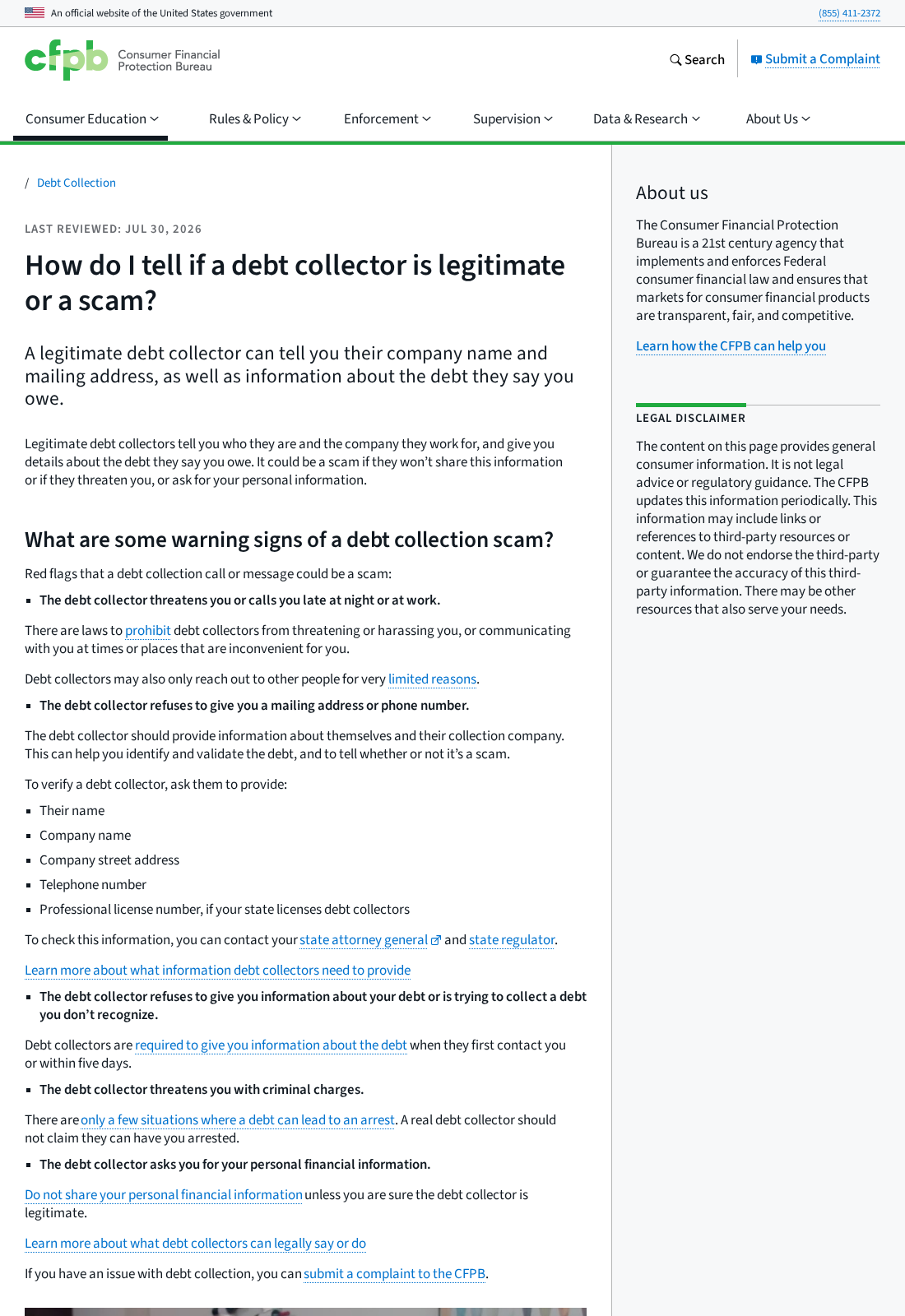
The first-person reports associated with this callback number describe unfamiliar debt claims, relatives being contacted and pressure about court papers.
They are useful warnings about the approach people say they encountered. They do not independently identify the operator or authenticate a claimed professional affiliation.
For that reason, this article does not accuse a named law office of placing the calls. A caller can invoke an organization without authorization.
Nor should every later call displaying the same digits automatically be attributed to the same person. Phone numbers can be reassigned, and displayed caller information can be misleading.
The decision is still clear: an unexplained demand does not deserve your payment or sensitive information until the underlying identity and claim are verified.
Check Three Things Separately: Caller, Account and Court
Identify the Collector Without Confirming Everything About Yourself
Ask for the organization’s full name, mailing address, callback details and the person’s role. Then locate independent contact information rather than relying only on the supplied number.
Check the claimed business through the relevant regulator or professional directory where appropriate. Match the exact name and location, not merely a similar search result.
A copied logo, familiar office name or confident introduction is not the same as reaching the verified organization and confirming the person works there.
Establish Which Account Is Being Claimed
Look for a recognizable creditor, account history, amount and explanation of the balance. Compare the details privately with your own records.
If the caller cannot explain the claim without first collecting extensive sensitive information, do not continue improvising answers to keep the conversation moving.
An old creditor’s name can sound plausible even when the particular account is wrong, already paid or belongs to someone else. Verify the specific obligation.
Verify a Court Case With the Court
A real case should identify a court and a filing, not simply a caller’s reference. Use the court’s independently located official website or clerk contact information.
Ask whether the reference matches its records and whether the parties correspond to the alleged matter. Avoid sending identifiers through an unverified link provided in a follow-up message.
If authentic papers require a response, obtain qualified legal help promptly. Do not assume a complaint to a regulator automatically answers a lawsuit for you.
What a Debt Validation Notice Is For
The CFPB explains the information covered collectors generally must provide, initially or within five days of first communicating about a debt.
That information normally identifies the collector and creditor, describes the amount and explains dispute rights. Its purpose is to help you recognize and challenge the account.
It is not replaced by a voicemail saying a file exists. Ask for the relevant notice through a channel that does not require you to disclose unnecessary information.
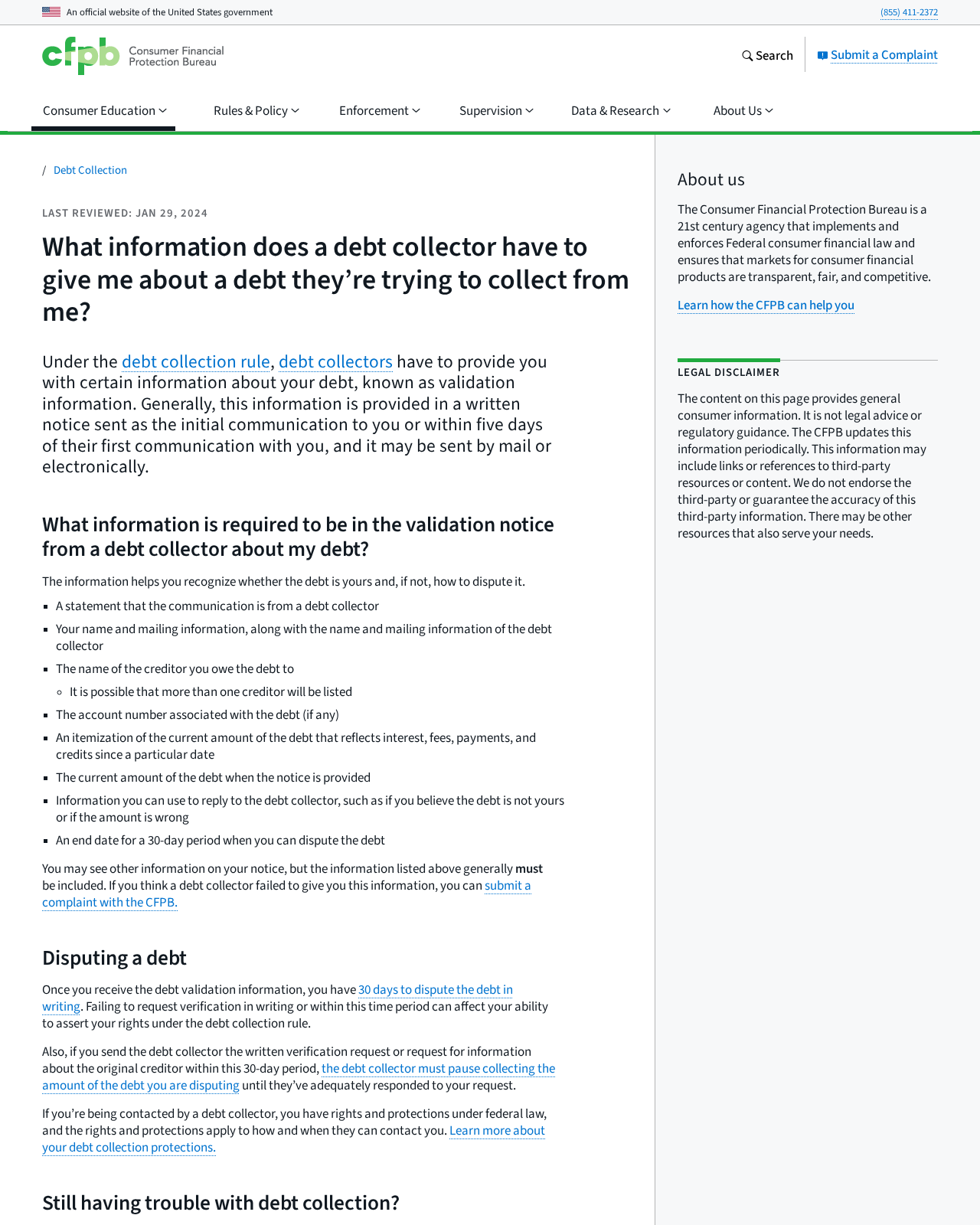
For a covered collection claim, a timely written dispute after validation can require collection to pause pending verification. The notice should specify the relevant dispute deadline.
The CFPB’s guidance for debts you do not believe you owe explains that process and the usual 30-day period.
These are general US rules for covered debt collectors, not a ruling on this caller. Court-response dates and rules for particular creditors can be different.
If the Caller Already Has Your Personal Information
First establish what was actually shared. Hearing your old address is different from giving an unknown person your full Social Security number, account password or card details.
Save the message and your recollection without broadcasting private identifiers in public comments. You can warn others about the approach without publishing sensitive information.
If you disclosed payment information, contact the relevant financial institution promptly. Explain what happened and ask which transaction, card or account protections fit the exposure.
For meaningful identity exposure, review your credit records and consider protective measures through verified credit-bureau channels. A credit freeze can restrict new-account access, not undo an existing payment.
The official IdentityTheft.gov recovery service can help US consumers organize steps after suspected identity misuse. Reach it directly rather than through a caller’s link.
There is no evidence here that merely hearing this voicemail infects a device. Antivirus software cannot validate a debt, reverse a transfer or answer legal papers.
What to Do if You Received the 888-608-0106 Voicemail
-
Keep the original message before blocking anything. Save the audio, displayed calling number, callback number, date and exact claims. Note whether a relative received a similar message.
Do not rely on memory after several stressful conversations. A simple timeline helps show whether the caller changed the debt, identity or alleged deadline.
-
Stop unverified disclosures and payments. Do not provide a full identifier, account access, verification code or card number merely to find out what the call concerns.
If already on the phone, end the conversation and verify independently. You do not need to remain connected while deciding whether the caller’s story makes sense.
-
Check the claimed organization and account separately. Locate verified business or creditor contact details yourself. Ask whether the specific collector and alleged account are recognized.
Do not treat a search result containing the right name as enough. Look for a matching official domain, location and professional or regulatory record where relevant.
-
Request the appropriate written information. For a covered debt-collection claim, obtain the validation notice and review the creditor, amount and dispute instructions.
If disputing a covered claim, follow the notice’s deadline and keep proof of the written request. Get advice if you are unsure which process applies.
-
Check any claimed court filing promptly. Contact the named court through its official channel. If genuine papers arrive, confirm the response deadline and seek suitable legal assistance.
Do not pay the caller to make papers disappear, but do not ignore authentic documents because you suspect the earlier voicemail was deceptive.
-
Protect exposed accounts and report the conduct. Contact your bank about payment exposure, use verified identity-recovery resources where needed and retain family or workplace messages.
You can raise a debt-collection complaint with the CFPB or the appropriate state authority. Describe the actual conduct and evidence without asserting an unverified caller identity.
Frequently Asked Questions
Is 888-608-0106 a Confirmed Scam Number?
Consumer reports describe concerning collection-style calls, but the operator and each allegation have not been independently authenticated here. Treat the demand as unverified rather than paying under pressure.
Does a Case Number Mean I Have Been Sued?
No. It may be an internal reference. Verify a named court and actual filing through official court channels before accepting that a lawsuit exists.
Why Would the Caller Know My Birth Date?
Personal information can circulate through many sources. Knowing a detail does not establish authority, although legitimate collectors may also use identity checks. Verify the organization first.
Should I Ignore the Message Completely?
Do not follow its payment pressure, but preserve it and check the underlying claim. Separately authenticated collection notices or court documents may require a timely response.
Can a Collector Contact My Family or Employer?
Rules depend on the conduct and applicable law, with significant limits on third-party contact. Record what was said and seek appropriate advice about the specific situation.
Will a Security Scan Fix This?
Not by itself. The priorities are identity verification, account protection if information was shared, payment-provider action if money was sent and responding to genuine legal deadlines.
The Bottom Line
Do not pay or confirm sensitive information to stop a threatening 888-608-0106 voicemail. Independently verify the collector, account and any court case before acting on the demand.
If you already responded, preserve the records and protect whatever information or money was exposed. Take genuine legal documents seriously without letting an unverified caller control your next move.

Join the discussion
0 commentsShare your experience or ask a question about this article.
Community experiences
Did this happen to you?
Your experience could help someone recognize the same scam. Submit a private report for our team to review.
I experienced this tooReports are reviewed before publication. Sharing publicly is always your choice.
Discussion
Start the conversation
Have a question or something useful to share? Add the first comment.