

Seven seconds sounds like almost nothing to ask. Add a scientist, NASA, and a forgotten discovery, and a simple listening routine suddenly feels worth investigating.
That is the appeal of the Dr. Robert Lake brain-trick story. The name deserves closer attention before it becomes a reason to pay.
Overview
The claimed expert does most of the persuasive work
Promotions for The Genius Song have described Dr. Robert Lake as a scientist connected with NASA and a brief ritual for activating a supposedly exceptional brain state.
The promise combines a recognizable institution with a tiny daily commitment. It encourages readers to believe an expert has already reduced a complicated subject to something simple.
The promotion does not supply an authenticated link between this scientist identity, NASA, and the audio. Unrelated people with the same name are not implicated.
The issue is the sales biography, not whether anyone anywhere has the same name.
The current page tells a less dramatic story
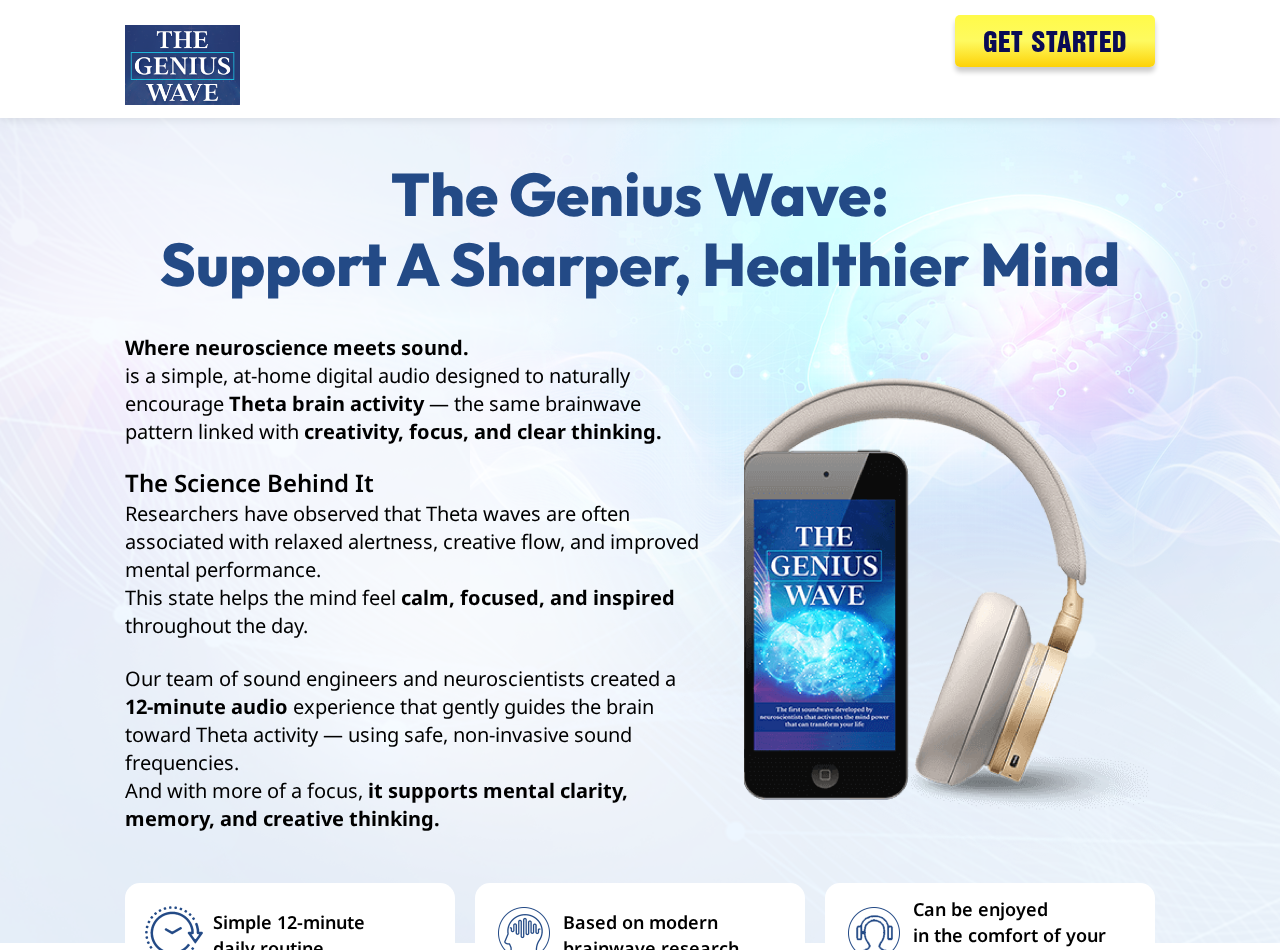
The domain associated with that promotion now presents The Genius Wave, a paid digital audio routine lasting 12 minutes. Its displayed price is $39.
That screenshot shows the current offer, not the historical seven-second advertisement or a portrait of the supposed scientist.
The terms describe entertainment, changed names, and dramatized marketing. They also discuss actors or digital representations used to present experiences.
Those disclosures do not authenticate the Lake biography. They give readers another reason not to treat an advertising character as an independently verified scientific authority.
The appropriate decision is not to buy the NASA story
- No authenticated institutional connection establishes this advertised expert’s role in the product.
- A general discussion of brainwaves is not a clinical test of the audio being sold.
- A seven-second hook and a 12-minute current routine are different propositions.
- Enjoying relaxing audio does not prove intelligence enhancement.
- A current disclaimer does not explain every older promotional claim.
Don’t purchase this offer because you believe a NASA scientist has supplied a shortcut to genius. That credential-and-breakthrough story does not provide a dependable buying reason.
Why NASA Changes the Way the Pitch Feels
A reader may know little about brainwave research but a great deal about NASA’s reputation. The institution stands for demanding science, engineering, and successful missions.
Place its name near a commercial product and some of that credibility transfers automatically. The consumer starts imagining standards the advertisement never demonstrates.
There are several different claims hidden inside that impression. Someone might have worked at an institution, conducted related research, helped develop a product, or obtained institutional endorsement.
Those relationships are not interchangeable. Verifying one would not automatically prove all the others.
NASA’s published commercial-use guidance says the agency does not endorse commercial products or services. That general policy is not a case-specific investigation of this offer.
It does mean consumers should not infer agency backing from a name, logo, space image, or an advertiser’s description of a scientist.
A genuine relationship needs a verifiable record that actually matches the claim. A biography on a sales page is the start of that question, not its answer.
How the Dr. Robert Lake Brain-Trick Sales Story Works
Step 1: An extremely short ritual makes the benefit feel accessible
The seven-second hook lowers the perceived cost of trying the idea. It sounds smaller than a course, a treatment, or a lifestyle change.
That framing invites a quick decision: surely there is little to lose by hearing a sound. But listening time is not the only commitment involved.
A paid purchase, additional marketing, expectations about cognition, and time spent pursuing promised results all deserve consideration.
Keep the free-sounding discovery separate from the actual transaction. A short ritual is not automatically a small financial or medical decision.
Step 2: A named scientist makes an unfamiliar mechanism feel established
Dr. Robert Lake functions as an apparent source of expertise. A named expert can feel easier to trust than an anonymous company selling a recording.
But the necessary professional connection is missing. Readers should be able to identify the advertised person’s actual institution, research, and role in developing the offer.
Search results for a similar name do not complete that chain. Match the specialty and biography rather than attaching unrelated professionals to the promotion.
The advertiser has the responsibility to substantiate the authority it introduces. You do not need to prove a universal negative before declining a purchase.
Step 3: Famous inventors turn the idea into a rediscovered secret
Versions of the Genius Song narrative invoke Nikola Tesla and other famous figures. Their reputations make a modern recording feel connected to a larger scientific history.
A historical person cannot endorse a newly marketed digital file. Similar language about frequency or creativity does not establish a development relationship.
The connection needs more than a quotation, portrait, or dramatic account of forgotten knowledge. It needs a document that actually supports the specific claim.
Otherwise, the familiar name is atmosphere. It may make the presentation memorable without telling you whether the product works.
Step 4: Brainwave vocabulary fills the gap between story and proof
The current page refers to theta activity, focus, creativity, and clarity. These subjects have real scientific context, which makes the commercial leap easy to overlook.
The leap is from describing a brain pattern to proving a particular recording delivers a meaningful benefit. Those are separate research questions.
A seller might discuss a general association without showing that its audio changes that activity consistently or improves the outcome you care about.
Ask what was measured in people using this exact product. Don’t substitute a picture of a brain for an answer about actual results.
Step 5: The story arrives at an ordinary digital purchase
The current offer leads to a $39 digital product with a 12-minute routine. It should be judged as that purchase, not as possession of secret institutional research.
Read the description of what is delivered. Access to audio, instructions, bonus material, and an online membership are different things.
Also separate relaxation from treatment. A pleasant listening experience can be worthwhile to somebody without demonstrating the breakthrough suggested by a dramatic advertisement.
The mistake is paying for a modest product while relying on a much larger, unsupported story to justify the decision.
Step 6: Fine print reduces the promises without resolving the biography
The terms place the service in an entertainment context and explain that marketing may use changed names and dramatization.
That is important information. It prevents a reasonable reader from treating every apparently personal account as a documentary record.
It does not identify which parts of an older presentation were changed, whether a particular portrayed expert was genuine, or which claims applied to your purchase.
Save the advertisement and the terms together. If they give materially different impressions, that difference is part of the transaction history.
What Brainwave Research Does, and Doesn’t, Tell You
Electrical activity can be measured in the brain, and researchers study how listening conditions relate to that activity. This does not make every commercial frequency claim true.
A systematic review of binaural-beat entrainment research found inconsistent evidence rather than an unequivocal answer supporting reliable entrainment.
That review is relevant background, not a trial of The Genius Song or proof that nobody can enjoy listening to it.
There are several outcomes a sales page can blur together: feeling relaxed, noticing better concentration, changing an EEG measure, and improving a clinical memory problem.
Success on one would not establish the others. A person can enjoy music without the music being a treatment or an intelligence-enhancement technology.
Expectations also influence how experiences are described. Sitting quietly with a routine can feel different from working amid notifications, whether or not a proprietary frequency matters.
That is why useful tests include a comparison condition and a clearly defined outcome. The question is whether this product adds something beyond the surrounding experience.
A study about a different sound, duration, population, or task may not answer that question. The commercial claim must match the actual evidence.
Don’t interpret uncertainty as a reason to purchase and become an unpaid experiment. The seller can supply a convincing basis before asking for money.
Three Checks That Matter More Than a Scientist’s Photograph
Check the chain between person, institution, and product
Write the claimed relationship as a sentence. For example, does the pitch say the person worked at NASA, performed a particular experiment, or developed this audio?
Then ask for a source supporting that exact relationship. An institutional homepage or an unrelated paper is not enough.
Doing this prevents several modest facts from being combined into one impressive but unsupported conclusion.
Check whether the current offer matches the advertisement
The present page describes a 12-minute experience. A person arriving because of a seven-second promise should notice the difference before paying.
It may reflect changed marketing, another stage of the presentation, or a revised product. The seller should explain it instead of relying on your assumptions.
Keep the older claim in its historical context. Don’t report it as wording visible on a current page when it is no longer there.
Check the terms that apply to what you purchased
The current terms name Happy Consumer and distinguish digital products from physical products mentioned elsewhere in the policy.
They state a 90-day refund window for digital purchases, while different rules concern the separately named physical supplements. Do not mix those policies together.
Your receipt should identify the actual item and retailer. A familiar brand story does not tell you which agreement covers the transaction.
If the Pitch Reached You Through Memory Worries
Concern about memory makes a simple answer attractive. You may be trying to protect yourself or help a parent, partner, or friend.
Do not let an audio offer delay an appropriate conversation with a clinician. New or worsening difficulties deserve assessment rather than an advertising diagnosis.
The National Institute on Aging’s memory guidance explains when professional help may be useful.
You can bring notes about the changes you noticed, when they began, and medicines or other circumstances that may matter. You don’t need to diagnose the cause yourself.
Listening for enjoyment is different from relying on a product to reverse disease. Keep that boundary clear when reading testimonials or discussing purchases with family.
What to Do If You Bought the Brain-Trick Offer
-
Keep the sales biography and your receipt together. Save the expert claim, product name, promised routine, price, confirmation, and delivered files or access instructions.
This helps distinguish what attracted you from what the merchant says it sold. Both sides of that comparison matter.
-
Identify the item before requesting a remedy. Establish whether the order was for digital audio, a physical supplement, or an additional product offered afterward.
Do not apply sealed-bottle requirements to an audio purchase simply because both appear within a large policy page.
-
Request a refund through the transaction’s genuine support route. Explain the claim that influenced your decision and ask which written deadline applies.
The current digital terms mention 90 days from the initial purchase. Your saved agreement and receipt are the relevant records for your order.
-
Escalate an unresolved payment accurately. Ask your card issuer or payment service about a dispute if access was missing or material claims were misleading.
Include correspondence and delivery information. A received audio file can still involve misrepresentation, but it should not be described as undelivered physical merchandise.
-
Separate marketing consent from money. The terms discuss promotional email enrollment. Unsubscribing from messages does not request a refund or cancel a separate paid agreement.
Keep cancellation and refund confirmations independently. Watch for subsequent offers that revive the same scientific story with a different name.
-
Address only the security exposure that occurred. If a purported audio download installed unfamiliar software, check it with Malwarebytes and review browser permissions.
AdGuard may reduce malicious advertising and redirects. Neither tool verifies neuroscience, substitutes for medical assessment, or recovers the purchase price.
Be skeptical of anyone who contacts you offering guaranteed recovery or exclusive replacement access. A previous purchase is not a reason to trust an unsolicited helper.
Frequently Asked Questions
Is Dr. Robert Lake a verified NASA expert behind this audio?
The advertised identity and product relationship have not been authenticated. That finding concerns the promotion, not unrelated professionals who happen to share the name.
Has NASA approved The Genius Song or The Genius Wave?
No authenticated approval was established. NASA’s general policy rejects commercial endorsement; an advertiser’s institutional reference should not be treated as agency backing.
Why does the page now describe 12 minutes instead of seven seconds?
The current offer differs from the older hook. The seller should explain what a purchaser receives rather than expecting the two descriptions to be treated as equivalent.
Do changed names and actor disclosures prove every testimonial is false?
No. They show that presentation and identity may be dramatized. They don’t independently verify an advertised expert, scientific claim, or typical customer result.
Can brainwave audio make someone a genius?
That extraordinary outcome is not established here. General brainwave research or a relaxing experience doesn’t prove that this commercial recording produces exceptional intelligence.
Is the audio purchase governed by physical-bottle return rules?
The current terms distinguish digital refunds from separately named physical products. Check the item and agreement on your receipt instead of combining unrelated requirements.
The Bottom Line
Do not buy the Dr. Robert Lake brain-trick offer because of its NASA story. The claimed authority and extraordinary benefit have not been substantiated.
If you paid, identify the actual digital product, preserve the advertisement, and request a remedy through the merchant or payment service within the applicable deadline.
You can enjoy relaxing sound without buying an unsupported biography. For persistent memory concerns, choose professional assessment over a supposedly secret shortcut.

Join the discussion
0 commentsShare your experience or ask a question about this article.
Discussion
Start the conversation
Have a question or something useful to share? Add the first comment.