

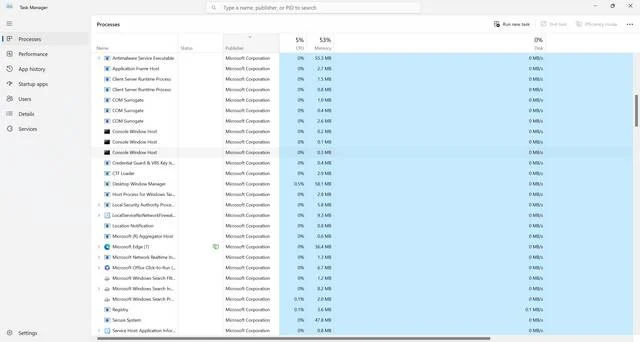
When you open your Task Manager on a Windows computer, you may notice various processes running in the background. One of these processes that you might come across is the Adobe Acrobat Reader DC process. This article aims to explore why the Adobe Acrobat Reader DC process is running in Task Manager, its purpose, and whether it is necessary for your computer’s functionality.
Understanding Adobe Acrobat Reader DC
Adobe Acrobat Reader DC is a popular software application developed by Adobe Systems. It is used for viewing, printing, and annotating PDF (Portable Document Format) files. With its extensive features and compatibility, Adobe Acrobat Reader DC has become the go-to PDF reader for many individuals and businesses.
When you install Adobe Acrobat Reader DC on your computer, it automatically adds a startup entry to ensure that it launches whenever you start your computer. This startup entry is responsible for the Adobe Acrobat Reader DC process running in the background.
Why Is Adobe Acrobat Reader DC Running in Task Manager?
The Adobe Acrobat Reader DC process running in Task Manager serves several purposes:
- Quick Access: By running in the background, Adobe Acrobat Reader DC ensures that the application is readily available whenever you need to open a PDF file. This allows for faster access and reduces the time it takes to launch the application.
- Automatic Updates: Adobe Acrobat Reader DC regularly checks for updates to ensure that you have the latest version of the software. The process running in Task Manager enables automatic updates, keeping your software secure and up to date.
- Integration with Web Browsers: Adobe Acrobat Reader DC integrates with popular web browsers, such as Google Chrome and Mozilla Firefox. The process running in Task Manager enables seamless integration, allowing you to view PDF files directly within your browser.
- Background Tasks: Adobe Acrobat Reader DC may perform background tasks, such as indexing PDF files for faster search functionality. These tasks require the process to run in the background to ensure efficient operation.
Is It Necessary for Adobe Acrobat Reader DC to Run in Task Manager?
While the Adobe Acrobat Reader DC process running in Task Manager serves important functions, it is not essential for the basic functionality of your computer. If you rarely use Adobe Acrobat Reader DC or prefer to manually launch the application when needed, you can disable the startup entry to prevent the process from running in the background.
Disabling the startup entry will not uninstall Adobe Acrobat Reader DC from your computer. It simply prevents the application from automatically launching at startup. You can still open the application manually whenever you want to view or work with PDF files.
How to Disable the Adobe Acrobat Reader DC Startup Entry
To disable the Adobe Acrobat Reader DC startup entry and prevent the process from running in Task Manager, follow these steps:
- Open Adobe Acrobat Reader DC.
- Click on the “Edit” menu at the top of the application.
- Select “Preferences” from the dropdown menu.
- In the Preferences window, click on “General” in the left sidebar.
- Uncheck the box that says “Show me messages when Adobe Acrobat Reader DC starts” under the “Application Startup” section.
- Click “OK” to save the changes.
After disabling the startup entry, the Adobe Acrobat Reader DC process will no longer run in Task Manager unless you manually launch the application.
Conclusion
The Adobe Acrobat Reader DC process running in Task Manager is a normal occurrence and serves various purposes, including quick access, automatic updates, integration with web browsers, and background tasks. While it is not necessary for the basic functionality of your computer, it enhances the user experience and ensures the smooth operation of Adobe Acrobat Reader DC.
If you rarely use Adobe Acrobat Reader DC or prefer to have more control over when the application runs, you can disable the startup entry to prevent the process from running in the background. This will not uninstall the software but simply prevent it from automatically launching at startup.
Remember, it is always important to keep your computer protected from viruses and malware. Consider scanning your system regularly with Malwarebytes Free or any other reputable antivirus software to ensure the security of your files and data.

Join the discussion
0 commentsShare your experience or ask a question about this article.
Discussion
Start the conversation
Have a question or something useful to share? Add the first comment.