

Fahlo bracelets promise something more memorable than ordinary jewelry: scan the card, open an app and follow the travels of a real wild animal. When buyers discover that other people track the same animal or that some map points are delayed, it can understandably raise questions.
Fahlo is a legitimate business, not a fake animal-tracking website. The important detail is what the product actually provides. You are buying a bracelet and access to an educational tracking experience connected to conservation partners, not a private live GPS feed assigned exclusively to you.
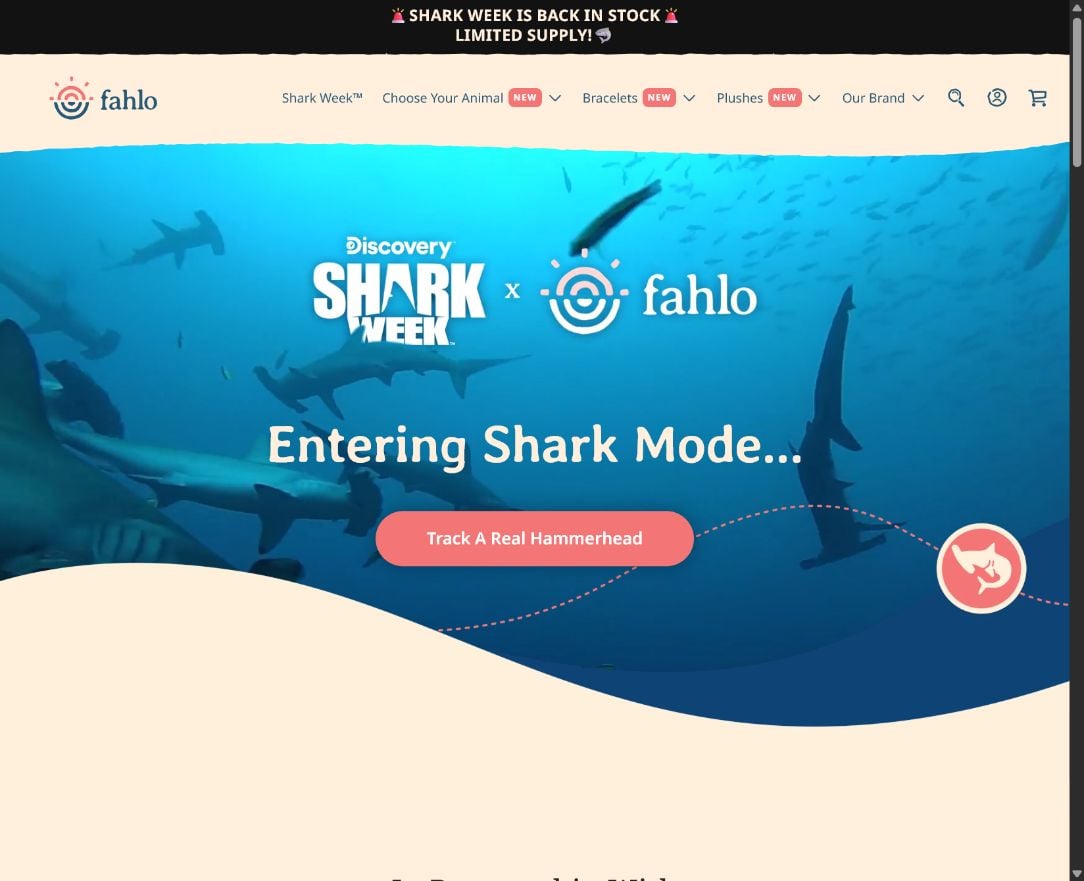
Overview
Fahlo sells animal-themed bracelets and plush products that include access to tracking information for wildlife such as sea turtles, sharks, elephants, polar bears and other species. The company works with established conservation organizations, including Sea Turtle Conservancy, Save the Elephants and Polar Bears International, and states that more than $5 million has been donated through these partnerships.
The tracking component is real, but it is often misunderstood. A limited number of wild animals can be safely tagged and monitored, so many customers may receive the same animal. The animal is not owned or controlled by Fahlo, and buying a bracelet does not fund a new GPS tag exclusively for that purchaser. The card unlocks the story and map connected to an animal in a shared program.
Location data may be live, delayed or historical depending on the species and conservation partner. Delays help protect vulnerable animals from being located by poachers or disturbed by visitors. Some programs cannot provide continuous GPS points at all, so the experience may use earlier research data or representative movement information. That limitation is described on relevant product pages, but it can surprise shoppers who expected a blinking real-time dot.
Trackers also have finite batteries, can fall off, stop transmitting or fail when an animal moves beyond coverage. Fahlo says tracking experiences are guaranteed for at least six months and that replacements may be offered when a tracker stops within that period. Many transmitters last around a year, but no wildlife company can promise that a specific animal will report forever.
Fahlo is currently BBB Accredited and carries a strong volume of customer feedback. That does not mean every order is problem-free. Complaints can still involve shipping delays, short tracking periods, damaged bracelets or disappointment with a replacement animal. Those are customer-service issues to evaluate, not evidence that the entire wildlife program is invented.
Our verdict
Fahlo is legit. The bracelet, app and conservation partnerships are real. Buyers should understand that tracking is shared, may be delayed and is guaranteed for a limited period. Purchase only from the official myfahlo.com website or a clearly authorized retailer, because copycat stores can imitate the brand.
What your purchase includes
- A physical animal-themed bracelet or other selected product.
- A card or code that unlocks an animal in the Fahlo app.
- A profile with the animal’s name, story and available movement map.
- Updates based on data supplied through a conservation partner or research program.
- A contribution to the relevant nonprofit partnership as described by Fahlo.
- A tracking experience that may be shared by many customers.
How Fahlo Animal Tracking Works
Step 1: Conservation researchers tag selected animals
Wildlife organizations and research teams attach a suitable satellite or GPS transmitter where it is safe and permitted. The method varies by species. The tag records location data when technology, weather, animal behavior and coverage allow it.
Step 2: The partner controls how the data is handled
The conservation organization determines what information can be shared publicly and when. Sensitive locations may be delayed, reduced in precision or withheld entirely. Protecting the animal comes before providing a perfectly current consumer map.
Step 3: Fahlo connects a product to an animal profile
The code included with the bracelet unlocks an animal in the app. Because there are far more customers than tagged animals, many buyers can receive the same animal. This is normal for the program and does not mean the animal is fake.
Step 4: The app displays available map points
New points appear when the partner provides them. The interval can vary, and the path may not represent the animal’s position at that exact minute. Certain species use delayed or historical data for safety, while other programs may update more frequently.
Step 5: A tracker eventually stops reporting
Wildlife transmitters do not last forever. A battery can expire, a tag can detach or the animal can move somewhere the signal cannot be received. If the experience ends during the stated guarantee, Fahlo may replace the animal profile according to its policy.
Why the Map May Look Delayed or Repetitive
- Location data is intentionally delayed to protect the animal.
- The transmitter sends only when conditions permit.
- The animal spends time underwater, underground or outside coverage.
- Researchers remove precise points before public release.
- The program uses historical data for a species that cannot be safely tracked live.
- Several customers are viewing the same animal and therefore see the same route.
- The transmitter has stopped and the app is waiting for confirmation or replacement.
Fahlo Red Flags That Are Not Actually Scams
Other people have the same animal
Shared tracking is expected. A single tagged turtle or shark can educate thousands of supporters without subjecting more animals to tagging solely to create unique customer profiles.
The animal suddenly stops moving
A static map does not automatically mean the animal died or never existed. It may reflect a delayed upload, temporary loss of coverage or a failed tag. Check the in-app notice and official support information before drawing a conclusion.
A replacement animal appears
A replacement usually means the original transmitter stopped reporting within the guarantee window. It is not the same as secretly changing a fictional profile, though the customer should be told clearly why the tracking experience changed.
Real Problems Buyers Should Still Watch For
- Copycat websites using Fahlo photos, logos or product descriptions.
- Ads that imply every buyer receives a private live GPS tracker.
- Shipping delays during holidays or popular wildlife campaigns.
- Bracelets that arrive damaged or do not match expectations.
- A code that will not activate or is already linked to another account.
- Tracking that ends after the guaranteed period.
- Third-party sellers that cannot provide official support or replacement access.
How to Buy Fahlo Safely
- Use myfahlo.com or a retailer that can be verified as authorized.
- Check the browser address carefully before entering card details.
- Read the product page for species-specific notes about live, delayed or historical tracking.
- Understand the six-month tracking guarantee and the replacement conditions.
- Pay by credit card and save the order confirmation.
- Install the official Fahlo app from the Apple App Store or Google Play, not from a link in an unsolicited message.
- Contact official support promptly if the code, product or tracking access does not work.
What to Do If You Have a Fahlo Problem
If the order never arrived
Check the shipping confirmation and carrier tracking, then contact Fahlo with the order number. Save screenshots of the delivery estimate and all messages. If the merchant cannot provide the item or a refund within a reasonable period, ask the card issuer about purchase-dispute options.
If the tracking code does not work
Confirm that the official app is installed and that the code was entered exactly as printed. Photograph the card and error message, then contact official support. Do not post the code publicly, because another person may be able to claim it.
If the animal stopped updating
Review the animal profile for an explanation and allow time for delayed data. If the tracker stopped within six months, contact Fahlo about its guarantee. If it lasted longer, a replacement may still be offered, but it may not be required by the stated policy.
If you bought from a copycat site
Do not assume Fahlo can locate an order placed with an unrelated seller. Contact the merchant in writing, preserve the ad and checkout page, and dispute the charge if the order is fraudulent or materially different. Replace the card if the site appears to have collected payment details deceptively.
The Bottom Line
Fahlo is a legitimate conservation-focused retail business, and the animals and partner programs are real. The experience is best understood as shared wildlife education supported by tracking data, not private real-time surveillance of one animal.
Buy from the official site, read the tracking limits for the chosen species and expect the transmitter to have a finite life. With those expectations, Fahlo is a real product rather than the scam suggested by some misunderstandings online.








