

Adobe Flash Player 15 ActiveX is a software component developed by Adobe Systems Incorporated. It is a browser plugin that allows users to view multimedia content, such as videos and animations, on websites. However, with the rise of HTML5 and the decline of Flash, many users are questioning whether they should remove Adobe Flash Player 15 ActiveX from their systems. In this article, we will explore what Adobe Flash Player 15 ActiveX is, its current relevance, and whether it is necessary to remove it.
What is Adobe Flash Player 15 ActiveX?
Adobe Flash Player 15 ActiveX is a specific version of the Adobe Flash Player plugin designed for Internet Explorer and other browsers that use the ActiveX technology. It enables users to play Flash content embedded in websites, including videos, games, and interactive applications. Flash Player 15 ActiveX was released in 2014 and introduced several improvements in performance, security, and stability compared to its predecessors.
The Decline of Adobe Flash Player
Over the years, Adobe Flash Player has faced numerous security vulnerabilities and performance issues, leading to its decline in popularity. Major web browsers, including Google Chrome, Mozilla Firefox, and Microsoft Edge, have gradually phased out support for Flash Player due to these concerns. In fact, Adobe officially announced the end-of-life for Flash Player in December 2020, stating that it would no longer provide updates or security patches after December 2020.
As a result, many websites have migrated to HTML5, a more secure and efficient technology for delivering multimedia content. HTML5 is supported by all modern web browsers and does not require any additional plugins like Flash Player. This shift has made Flash Player less relevant and necessary for most users.
Should I Remove Adobe Flash Player 15 ActiveX?
Given the decline of Flash Player and the end-of-life announcement, it is generally recommended to remove Adobe Flash Player 15 ActiveX from your system. Here are a few reasons why:
- Security Risks: Flash Player has been a frequent target for cybercriminals due to its vulnerabilities. With no more security updates, using Flash Player can expose your system to potential security risks. Removing it reduces the attack surface and enhances your system’s security.
- Performance and Stability: Flash Player has been known to cause performance issues and crashes in web browsers. By removing it, you can improve the overall performance and stability of your browsing experience.
- Compatibility: As mentioned earlier, most modern web browsers no longer support Flash Player. Removing it ensures that you won’t encounter compatibility issues with websites that have migrated to HTML5.
How to Remove Adobe Flash Player 15 ActiveX
Removing Adobe Flash Player 15 ActiveX from your system is a straightforward process. Here’s a step-by-step guide:
- Open the Control Panel on your Windows computer.
- Select “Programs” or “Programs and Features” depending on your Control Panel view.
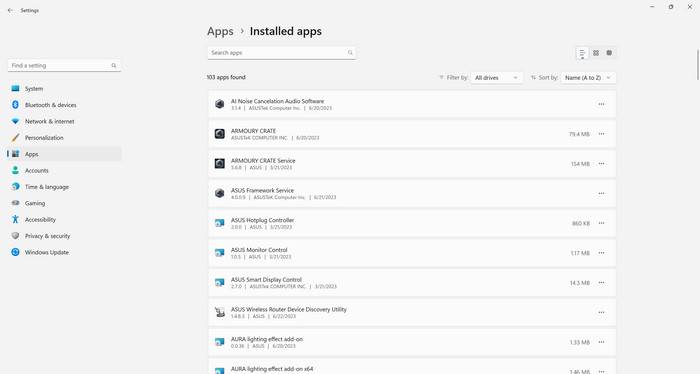
- Locate “Adobe Flash Player 15 ActiveX” in the list of installed programs.
- Right-click on it and select “Uninstall” or “Remove”.
- Follow the on-screen instructions to complete the uninstallation process.
After removing Adobe Flash Player 15 ActiveX, it is also recommended to scan your system for any potential malware or unwanted programs. Malwarebytes Free is a reliable and effective anti-malware tool that can help you detect and remove any threats. You can download Malwarebytes Free from their official website and run a scan using the software.
Malwarebytes Free is a powerful tool that can provide an additional layer of security to your system, ensuring that your computer remains protected from malware and other online threats.
Conclusion
In conclusion, Adobe Flash Player 15 ActiveX is a browser plugin that allows users to view multimedia content on websites. However, due to the decline of Flash and the end-of-life announcement, it is generally recommended to remove Adobe Flash Player 15 ActiveX from your system. Removing it reduces security risks, improves performance and stability, and ensures compatibility with modern web browsers. Additionally, scanning your system for malware using tools like Malwarebytes Free can further enhance your system’s security. Stay safe and enjoy a seamless browsing experience without Adobe Flash Player 15 ActiveX!

Join the discussion
0 commentsShare your experience or ask a question about this article.
Discussion
Start the conversation
Have a question or something useful to share? Add the first comment.