

Adobe Flash Player has been a staple in the online world for many years, allowing users to view multimedia content such as videos, animations, and interactive applications on various websites. However, with the rise of HTML5 and the increasing number of security vulnerabilities associated with Flash, many users are questioning whether they should remove Adobe Flash Player 20 NPAPI from their systems. In this article, we will explore what Adobe Flash Player 20 NPAPI is, its significance, and whether it is necessary to remove it.
What is Adobe Flash Player 20 NPAPI?
Adobe Flash Player 20 NPAPI is a plugin that allows web browsers to display and interact with Flash content. NPAPI stands for Netscape Plugin Application Programming Interface, which was originally developed by Netscape Communications Corporation. It is a cross-platform plugin architecture used by various web browsers, including Mozilla Firefox and Opera.
Adobe Flash Player 20 NPAPI is specifically designed for browsers that use the NPAPI architecture. It provides support for multimedia content, including audio, video, and interactive applications, allowing users to have a rich and immersive web experience.
The Significance of Adobe Flash Player 20 NPAPI
Adobe Flash Player 20 NPAPI has played a crucial role in the evolution of the internet, enabling the creation and delivery of interactive and visually appealing content. Many websites, especially those built before the widespread adoption of HTML5, still rely on Flash to deliver multimedia content to their users.
However, the significance of Adobe Flash Player 20 NPAPI has diminished over the years due to several factors:
- Security Vulnerabilities: Flash has been plagued by numerous security vulnerabilities, making it a popular target for cybercriminals. Exploiting these vulnerabilities can lead to malware infections and unauthorized access to users’ systems.
- Performance Issues: Flash content can be resource-intensive, causing web pages to load slowly and consume excessive CPU and memory resources. This can result in a poor browsing experience and even system crashes.
- Compatibility Concerns: With the rise of HTML5, many websites have transitioned away from Flash and adopted more modern and secure technologies. This shift has made Flash less relevant and compatible with newer web standards.
Should I Remove Adobe Flash Player 20 NPAPI?
Given the security vulnerabilities and diminishing relevance of Adobe Flash Player 20 NPAPI, it is generally recommended to remove it from your system. Removing Flash can help improve your system’s security, performance, and compatibility with modern web standards.
Here are a few reasons why you should consider removing Adobe Flash Player 20 NPAPI:
- Security: Flash has been a frequent target for cyberattacks, and Adobe has had to release numerous security patches to address vulnerabilities. However, new vulnerabilities continue to emerge, and Adobe will officially end support for Flash at the end of 2020. Removing Flash eliminates a potential security risk from your system.
- Performance: Flash content can slow down web browsing and consume significant system resources. By removing Flash, you can improve the overall performance of your system and enjoy faster and more responsive web browsing.
- Compatibility: As mentioned earlier, many websites have transitioned away from Flash and adopted HTML5 and other modern web technologies. Removing Flash ensures that you can access and interact with the latest web content without any compatibility issues.
How to Remove Adobe Flash Player 20 NPAPI
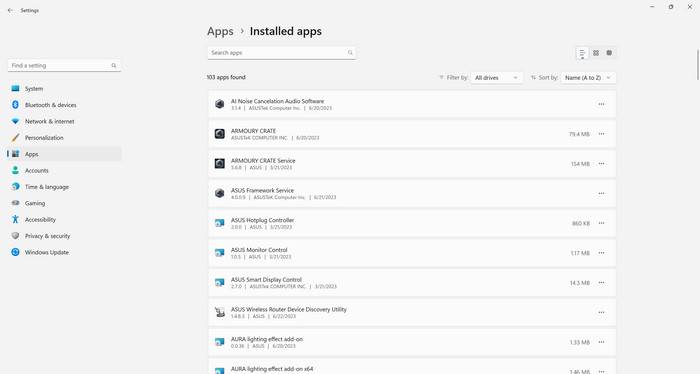
Removing Adobe Flash Player 20 NPAPI from your system is a relatively straightforward process. Here are the steps to uninstall Flash:
- Windows:
- Go to the Control Panel and open the “Programs and Features” or “Add or Remove Programs” section.
- Locate Adobe Flash Player in the list of installed programs.
- Right-click on Adobe Flash Player and select “Uninstall” or “Remove”.
- Follow the on-screen instructions to complete the uninstallation process.
- Mac:
- Open the Finder and navigate to the “Applications” folder.
- Locate Adobe Flash Player in the list of applications.
- Drag the Adobe Flash Player icon to the Trash.
- Empty the Trash to permanently remove Adobe Flash Player from your system.
If you prefer using an uninstallation tool to ensure a thorough removal of Adobe Flash Player 20 NPAPI, you can consider using Revo Uninstaller Free. Revo Uninstaller is a reliable and effective tool that can help you uninstall software completely, including any leftover files and registry entries.
Conclusion
Adobe Flash Player 20 NPAPI has been a significant part of the internet for many years, enabling the delivery of multimedia content. However, due to security vulnerabilities, performance issues, and compatibility concerns, it is generally recommended to remove Adobe Flash Player 20 NPAPI from your system.
Removing Flash can enhance your system’s security, improve performance, and ensure compatibility with modern web standards. Follow the provided steps to uninstall Adobe Flash Player 20 NPAPI manually or consider using a reliable uninstallation tool like Revo Uninstaller for a thorough removal.
By removing Adobe Flash Player 20 NPAPI, you can embrace a safer and more efficient browsing experience in the evolving landscape of the internet.

Join the discussion
0 commentsShare your experience or ask a question about this article.
Discussion
Start the conversation
Have a question or something useful to share? Add the first comment.