

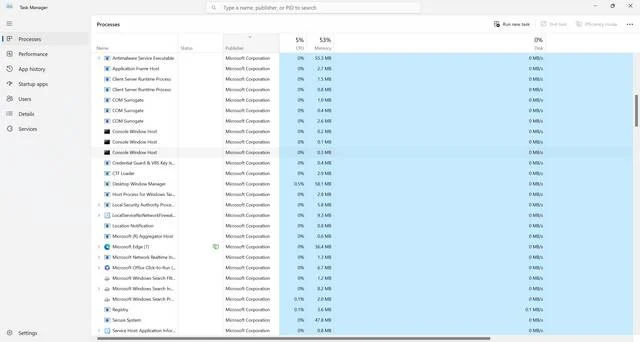
When you open the Task Manager on your Windows computer, you may notice a process called “Adobe Genuine Software Integrity Service” running in the background. This process is associated with Adobe software and is designed to ensure that you are using genuine, licensed versions of Adobe products. In this article, we will explore the purpose of the Adobe Genuine Software Integrity Service process, its impact on your computer, and why it is important for both Adobe and its users.
What is the Adobe Genuine Software Integrity Service?
The Adobe Genuine Software Integrity Service is a background process that runs on Windows computers where Adobe software is installed. Its primary function is to verify the authenticity of Adobe software installed on your system. It checks whether the software is properly licensed and not a pirated or counterfeit version.
This service was introduced by Adobe to combat software piracy and protect the interests of both Adobe and its customers. By ensuring that users are running genuine software, Adobe can maintain a fair market for its products and provide support and updates to legitimate users.
How Does the Adobe Genuine Software Integrity Service Work?
The Adobe Genuine Software Integrity Service works by periodically checking the licensing status of Adobe software installed on your computer. It compares the software’s unique identifier with Adobe’s database of valid licenses to determine if it is genuine or not.
If the service detects that the software is not properly licensed, it may display a notification or prompt the user to take action. This can include providing options to purchase a valid license or contacting Adobe support for assistance. In some cases, the service may restrict certain features or functionality until the licensing issue is resolved.
Why is the Adobe Genuine Software Integrity Service Running in Task Manager?
The Adobe Genuine Software Integrity Service runs in the background to ensure continuous monitoring of Adobe software installed on your computer. It needs to be active to perform regular checks and maintain the integrity of Adobe’s licensing system.
By running as a background process, the service can operate independently of the Adobe applications you use. This means that even if you are not actively using an Adobe program, the service will still run in the background to ensure ongoing compliance with licensing requirements.
Is the Adobe Genuine Software Integrity Service Safe?
Yes, the Adobe Genuine Software Integrity Service is safe and legitimate. It is a genuine component of Adobe software and is not malicious or harmful to your computer. However, it is important to note that some malware or viruses may attempt to disguise themselves as the Adobe Genuine Software Integrity Service to deceive users.
If you have any concerns about the legitimacy of the process running on your computer, it is recommended to scan your system for viruses or malware. You can use Malwarebytes Free, a reputable antivirus software, to perform a thorough scan and ensure the security of your system.
How to Disable or Remove the Adobe Genuine Software Integrity Service?
While the Adobe Genuine Software Integrity Service is an essential component for maintaining the integrity of Adobe software, some users may prefer to disable or remove it for various reasons. However, it is important to note that tampering with or removing this service may result in the loss of functionality or updates for Adobe software.
If you still wish to disable or remove the Adobe Genuine Software Integrity Service, you can follow these steps:
- Open the Task Manager by pressing Ctrl + Shift + Esc or right-clicking on the taskbar and selecting “Task Manager.”
- In the Task Manager, navigate to the “Processes” or “Details” tab.
- Locate the process named “Adobe Genuine Software Integrity Service.”
- Right-click on the process and select “End Task” or “End Process.”
- Confirm the action if prompted.
It is important to note that disabling or removing the Adobe Genuine Software Integrity Service may violate the terms of use for Adobe software and may result in legal consequences. It is recommended to consult Adobe’s support or legal team before taking any action.
Conclusion
The Adobe Genuine Software Integrity Service is an essential component of Adobe software that ensures users are running genuine, licensed versions of their products. It plays a crucial role in combating software piracy and protecting the interests of both Adobe and its customers.
While the service may run in the background and consume system resources, it is necessary for maintaining the integrity of Adobe’s licensing system. It is important to understand that the Adobe Genuine Software Integrity Service is safe and legitimate, and any concerns about its authenticity should be addressed by scanning your system for viruses or malware.
If you choose to disable or remove the Adobe Genuine Software Integrity Service, it is recommended to consult Adobe’s support or legal team to understand the potential consequences and ensure compliance with the terms of use for Adobe software.

Join the discussion
0 commentsShare your experience or ask a question about this article.
Discussion
Start the conversation
Have a question or something useful to share? Add the first comment.