

Have you received concerning texts or emails demanding your data to release pending AliExpress packages? Don’t fall for it. This emerging phishing tactic aims to steal personal information and payment credentials. Learn how to spot and avoid this holiday shopping scam.
Overview of the AliExpress Package Delivery Scam
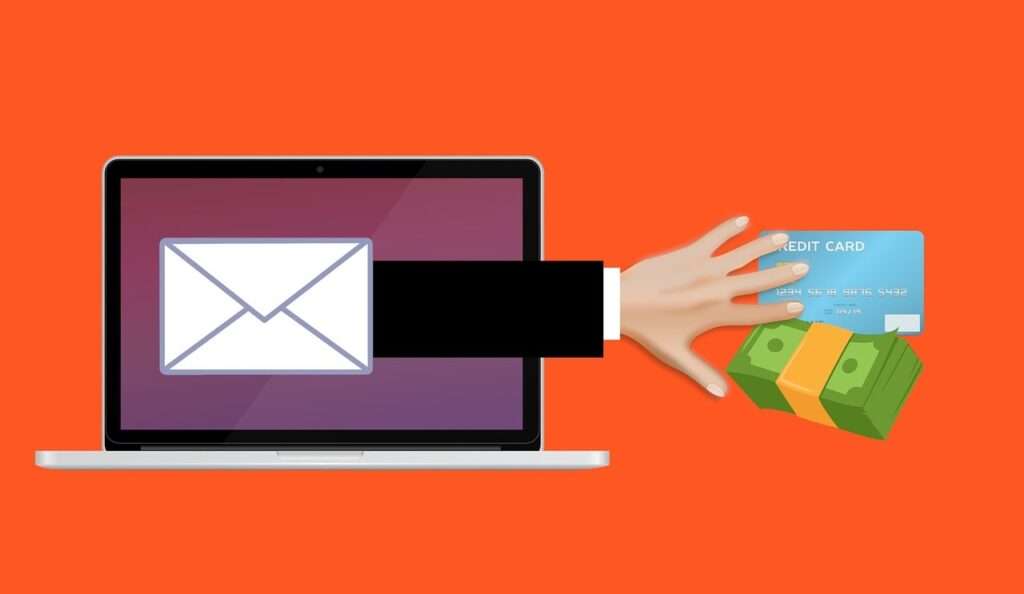
A dangerous new form of phishing is emerging that exclusively targets the huge global customer base of e-commerce giant AliExpress. Highly convincing scam emails and text messages are being sent to unsuspecting shoppers deceiving them into providing personal information and credit card details by pretending there is an issue scheduling the delivery of an AliExpress order.
For example, an urgent email may be received stating:
Subject: Shipment Pending – AliExpress Package
AliExpress
Get Your AliExpress Package
YOUR PACKAGE IS ON THE WAY
You have (1) package waiting for delivery. Use your code to track your package and get it delivered before Christmas. Schedule your delivery now and subscribe to our push notification to avoid this delay again.
SCHEDULE YOUR DELIVERY
AliExpress
Track all your shipments in one place and get automatic updates on all your deliveries.
SCHEDULE YOUR DELIVERY
The sophisticated scam messages convincingly appear to come directly from AliExpress, featuring official branding and logos. A fake “View Delivery Details” button will link to an extremely realistic but fraudulent AliExpress website where users are prompted to enter information like their name, physical address, phone number and credit card number under the guise of paying a small $5 – $15 redelivery scheduling fee.
With the victim’s financial and personal information obtained, the criminals then commit identity theft and payments fraud using the stolen details across retail, banking and other sectors. Meanwhile the victim is left empty-handed expecting an AliExpress delivery that will never arrive.
Because AliExpress is one of the world’s most popular online shopping platforms, shipping notifications from the company are highly anticipated by customers. This familiarity and expectancy make it easier for the savviest scam versions to bypass scrutiny from even careful consumers. The fictional scenarios of a desired purchase being cancelled and refunded or returned to sellers creates an urgent pressure and fear of missing out that causes hasty actions without deeper inspection of abnormalities in links and requests.
However, there are key signs within the suspicious correspondence that can reveal the deception in time to avoid being ensnared:
- Unexpected emails about pending AliExpress orders you did not place
- Poor grammar, typos and language quirks
- Links redirecting to misspelled or unofficial domains
- Requests for comprehensive private data to “confirm identity”
- Mandates to pay additional and unexpected small fees to “reschedule delivery” before arbitrary deadlines
This overview should make clear why learning to identify the signs of emerging AliExpress delivery scams is crucial. Let’s explore further how the deceptive fraud campaign works step-by-step and how victims can respond.
How the AliExpress Package Delivery Scam Unfolds
While specifics fluctuate, here are the usual scam mechanics leveraged currently against AliExpress and its broad customer base:
Step 1: Realistic-Looking AliExpress Delivery Emails and Texts Arrive
Victims receive SMS messages or emails convincingly formatted like valid AliExpress shipping updates. These feature official branding, logos and standard order status messaging.
Texts display AliExpress’s actual domain as sender IDs while emails show the company’s name within address details. With the site’s global dominance, these tactics quickly garner perceived authenticity.
In reality, contact data links back to compromised marketing databases as fraudsters unleash blanket scam attempts hoping urgency triggers bypass deeper inspection for oddities. Continually refined tactics still dupe careful consumers anticipating parcel arrivals.
Step 2: Messages Claim Users Have a Delivery Requiring Scheduling
These fraudulent messages inform recipients they have an AliExpress order requiring “delivery scheduling” before shipment release. Each features fictional pending order codes and fake multidigit shipment tracking numbers starting with “AE” to mimic AliExpress labeling conventions.
The texts and emails stress unless users act to “schedule delivery,” desired items will get returned to sellers or lost entirely. This fictional dilemma sparks concern and perceived time pressure to take actions avoiding such outcomes.
Step 3: Phishing Links Go To Counterfeit AliExpress Delivery Portals
The fraudulent messages include clickable links or buttons to conveniently “schedule parcel delivery” or “retrieve your package.” These redirects bring users to near carbon copy AliExpress online portals.
Closer inspection would catch subtle abnormalities in URLs leading to unofficial off-brand domains outside AliExpress’s control. But small typos go overlooked when scared a gift or necessity will disappear by not scheduling fictional pending deliveries.
Step 4: Fake Portals Gather Data for Identity Theft and Payment Fraud
On the imitation AliExpress delivery sites, users input personal details like names, addresses and contact information to “revalidate their accounts” and “initiate order scheduling.”
Some pages then claim small fees from $5 to $15 must be paid to schedule redelivery else items get returned. Users enter credit card numbers, CVV codes and other financial account credentials to pay, often noting funds will reimburse after successful parcel receipt.
Of course no products or refunds arrive, while criminals perpetrate identity theft and payments fraud using stolen data. And without a real order history, victims have no transactions to dispute.
Step 5: Stolen Details Fund Ongoing Exploits as No Packages Arrive
Once fake sites compile usernames, passwords, contact info and payment details, criminals have infinite opportunities across identity theft, account takeovers, financial fraud and resale of data on dark web networks.
Meanwhile, victims are left empty-handed with no AliExpress orders arriving and soon fraudulent transactions detected across looted funding sources. Appeals directly to AliExpress itself provide dead ends since no legitimate purchases existed originally.
As this scam accelerates, learn to identify signs of something amiss behind holiday offer updates demanding quick actions.
How to Spot Fake AliExpress Package Delivery Notifications
With parcel scams increasingly common, learning to spot phishing attempts impersonating shipping firms protects online shoppers from potential frauds. Watch for these telltale indicators within questionable texts or emails insisting on payments or address confirmation before releasing orders.
Odd URLs That Don’t Match Official Domain
Scrutinize where shortened links or website URLs found in questionable correspondences actually redirect. Devious scammers register highly convincible domain knockoffs.
Example: Link goes to “AliExpressDeliveryAssistance.com” instead of legitimate “AliExpress.com” site.
Grammatical Mistakes and Language Quirks
If messages seem rife with spelling errors, awkward verbiage or format issues, scam risks heighten. Cheap overseas labor often propels profit-driven phishing campaigns resulting in detectable language abnormalities.
Example: Email starts “Dear honorable AliExpress patron, items you are purchase require address reconfirmation for to ship out”.
Requests for Full Identity Details
Valid vendors already have required purchase identity specifics on file, so irregular asks to completely re-collect information should prompt wariness entering data on unverified pages.
Example: Fake portal demands uploading scans of government ID, selfies holding the card and utility bill scans to “confirm account ownership”.
High Pressure Payments or Deadlines
AliExpress provides delivery updates without mandating surprise service charges outside of original order invoices. Disregard extremes like one-time only redelivery fees or address change costs absent from reputable retailer protocols.
Staying alert to sly scam markers within questionable delivery alerts reduces risks of getting ensnared by parcel scheme traps. Independently confirming irregular payment claims directly with merchants through known official channels brings certainty.
What to Do If You Are Targeted by This Parcel Delivery Scheme
If you shared data or funds via deceptive AliExpress alerts, take these steps to reduce damages:
Step 1: Alert Banks and Financial Firms Immediately
If you entered card details, begin by contacting those institutions to freeze accounts and watch for unauthorized charges even if none display yet. Providing information during the scam gives criminals perpetual access until new cards replace compromised credentials.
Step 2: Reset Associated Username/Password Combinations
Think beyond financial accounts as other sites and apps may have reused the same usernames or passwords you entered on fake AliExpress portals. Email, shopping accounts and any other breached credentials should be changed immediately across the board.
Step 3: File Reports With Relevant Fraud Authorities
Report incident details with the FTC’s online fraud division, IC3 FBI cybercrime unit and local law enforcement. Provide screenshots, fraudulent URLs and transaction specifics to aid shutting down offending phishing sites while investigating larger scam networks.
Step 4: Monitor Credit Reports and Accounts
Even if consumers take prompt security steps, stolen personal details still spread through black market exchanges or emerge months later in identity theft ploys. Enrolling in credit monitoring and prioritizing careful account activity review following the breach is essential.
Step 5: Learn Delivery Scam Red Flags
Review consumer protection guidance on how to spot and evade phishing attempts from all mediums including texts, emails and convincing rogue websites. Enable multifactor authentication across accounts requiring extra identity confirmation before signing in to strengthen credentials against data leaks.
Turning difficult fraud encounters into lessons on the latest online scams aids future safety for all aspects of digital life in the years ahead.
Frequently Asked Questions about the AliExpress Package Delivery Scam
Find yourself questioning a text or email about an undelivered AliExpress order? Unsure if you are facing a phishing ploy to steal data? Read on for answers surrounding fraudulent AliExpress alerts.
1. What exactly is the AliExpress package delivery phishing scam?
Fraudsters send fake texts and emails insisting an AliExpress order requires address or payment confirmation before shipment release. Links within messages route to convincing duplicate AliExpress websites collecting personal and financial data. No items ship, while criminals steal details for endless exploits.
2. What signs expose potential AliExpress order scams?
Watch for:
- Unexpected texts/emails about AliExpress orders you did not place
- Grammatical errors, typos or language abnormalities
- Links going to misspelled or slightly altered web addresses
- Requests for comprehensive personal data to “validate identity”
- Mandates to pay small redelivery fees immediately
3. I got an email about an AliExpress order needing confirmation. What should I do?
Do NOT click links or provide information without verifying message legitimacy directly through AliExpress’s official app or website. Independently login to cross-check system alerts against any outside delivery claims. Report phishing scams to sites like reportfraud.ftc.gov.
4. Are my personal details at risk if I entered info on a fake AliExpress portal?
Unfortunately yes – sharing private data including usernames and passwords on imitation AliExpress sites gives criminals perpetual access to accounts tied to breached credentials for identity theft and payments fraud. To curtail threats, immediately reset passwords and monitor transactions vigilantly.
5. Can I get money back that I paid towards fictional redelivery fees?
If paid via credit card, report fraudulent charges to the provider immediately for potential transaction disputes. Debit payments face more obstacles recouping lost funds directly. Supply details on money lost to the FTC to aid tracking such scam operations, and enroll in identity theft monitoring services to catch potential associated misuse of leaked personal data.
6. How can I evade future delivery and shopping scams?
Learn phishing indicators like poor grammar, urgent payment demands, and odd URLs within messages. Verify any irregular shipment claims sent to external emails or texts through official retailer apps and sites before supplying data. Enable multifactor authentication across shopping accounts requiring extra login verifications for added security.
The Bottom Line
As global online shopping accelerates, particularly during peak holiday deal seasons, fraudsters increasingly leverage parcel delivery manipulation knowing packages rank among consumers’ top anticipated items.
Tactics pinpoint users expecting goods combined with fictional scenarios blocking receipt of those coveted orders unless swift action is taken. Urgency triggers hasty responses handing over financial and identity data that fuels endless criminal exploits thereafter.
But while clever social engineering backs these predatory phishing ploys, simple awareness of key signs like unusual URLs or demands for payment paired with proactive verification of all irregular asks prevents the bulk of attempts from succeeding. Those ensnared learn critical lessons applicable well beyond e-commerce activities alone.
Staying continually informed on modern phishing innovations pays forward substantial safety dividends over the long-term. Using confirmed scams as motivation to enact more vigilant security protocols allows online shoppers, or digital users of all kinds, to celebrate this season while keeping identities, assets and information guarded against even the shrewdest fraudsters’ evolving barrage of hacks for the years ahead.

Join the discussion
0 commentsShare your experience or ask a question about this article.
Discussion
Start the conversation
Have a question or something useful to share? Add the first comment.