

Online shopping has become a popular and convenient way to buy products from the comfort of your home. However, not all online stores are trustworthy and reliable. Some of them may be scams that try to lure customers with low prices, fake reviews, or misleading information. Amazonstorepro.com is one of the online stores that claims to sell various products such as clothing, shoes, accessories, electronics, and more. But is Amazonstorepro.com a scam or a legit online store? In this blog post, we will review Amazonstorepro.com and provide you with some tips on how to avoid online shopping scams.
What is Amazonstorepro.com?
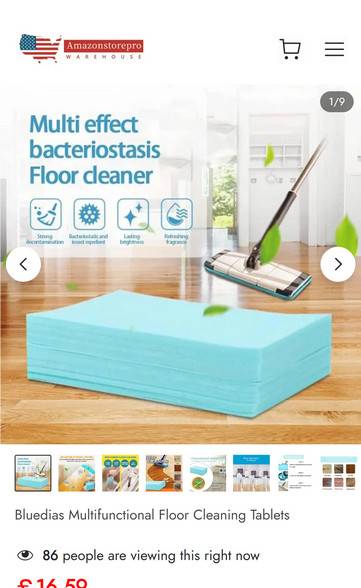
AmazonStorePro is an online store that claims to sell various home products, such as kitchen equipment, at a suspiciously low price. However, there are many reasons to doubt its legitimacy and trustworthiness. According to several online reviews, AmazonStorePro is a scam website that does not deliver the products ordered by customers, and uses a fake contact address that is linked to other scam websites. Moreover, the website has a very low trust score of 1% out of 100, and it was registered only a few weeks ago , which indicates that it is not a reliable or established business. Therefore, it is advisable to avoid shopping from AmazonStorePro and look for other more reputable and secure online stores.
Amazonstorepro.com: Red Flags and Warning Signs
Here are some of the reasons why you should be cautious when shopping from Amazonstorepro.com:
- Amazonstorepro.com poor customer support: The only way to contact Amazonstorepro.com is through a Gmail email address (amazonstorepro@gmail.com) that does not seem to respond to customer inquiries or complaints. There is no phone number or other social media links provided on the website. This makes it difficult for customers to reach out to the store in case of any issues with their orders or products.
- Amazonstorepro.com fake business name and location. The company name (LANDBASE TRADING CO.LTD) and address (146a Whitchurch Road, Cardiff, Wales, CF143NA) are displayed by using a low-quality image in the contact section. The business location and name have been used by other scam websites in the past. This suggests that Amazonstorepro.com is hiding its true identity and location from its customers and authorities.
- Amazonstorepro.com lacks quality: The images of the products displayed on the website are likely stolen from other sources and do not reflect the actual quality or appearance of the items. Some of the pictures have been cropped or edited to remove the faces of the models. Customers who have ordered from Amazonstorepro.com have reported receiving low-quality or different products than what they ordered.
- Amazonstorepro.com is a new domain: The domain name of Amazonstorepro.com was registered on February 25, 2023, which means that the website is only a few weeks old. This is a common sign of a scam website that tries to deceive customers with a new and attractive domain name.
- Amazonstorepro.com fake discount offers: Amazonstorepro.com offers discounts for all its products, which seem too good to be true. For example, a pant suit that normally costs $99.99 is sold for $29.99 on the website. This is a common tactic used by scammers to lure customers into buying their products without verifying their legitimacy or quality.
- Amazonstorepro.com has no reviews or social media presence: Amazonstorepro.com does not have any social media presence or customer reviews. This indicates that the website does not have a good reputation or a loyal customer base. Moreover, the website does not have any trust badges or seals from third-party organizations that can verify its security and credibility.
- Amazonstorepro.com site is full of poor grammar and spelling errors: The website has poor grammar and spelling errors throughout its content. For example, the website uses the term “free shipping” inconsistently and misspells words such as “guarantee” and “quality”. This shows that the website does not have a professional or reliable team behind it.
How to Avoid Online Shopping Scams like Amazonstorepro.com
Online shopping scams are becoming more prevalent and sophisticated as scammers use various techniques to trick customers into giving them their money or personal information. Here are some tips on how to avoid online shopping scams:
- Do your research before buying from an online store. Check the domain name, contact information, customer reviews, social media presence, trust badges, and return policy of the website. You can also use tools such as Whois or Scamadviser to check the age and location of the domain name.
- Compare prices and products from different websites. If you find a product that is significantly cheaper than other websites or has features that are too good to be true, be wary of it. It may be a fake or counterfeit product or a scam.
- Use secure payment methods such as credit cards or PayPal when shopping online. Avoid paying with cash, wire transfers, gift cards, or cryptocurrencies as these methods are difficult to trace or recover in case of fraud.
- Keep track of your online transactions and statements. Check your bank account and credit card statements regularly for any unauthorized charges or discrepancies. If you notice any suspicious activity, report it to your bank or credit card company immediately.
- Contact the customer service team of the online store if you have any questions or concerns about your order. If you do not receive a response or a satisfactory resolution within a reasonable time frame, you may file a dispute with your payment provider or report the website to the relevant authorities.
What should you do if you have shopped from Amazonstorepro.com?
- Contact your bank or financial institution: If you have paid with your credit card or debit card, you should contact your bank or financial institution as soon as possible and request them to cancel the transaction and refund your money. You should also report the website as a fraudulent site and ask them to block any future charges from it.
- Change your passwords: If you have created an account on Amazonstorepro.com or used the same password for other online accounts, you should change your passwords immediately. You should also enable two-factor authentication for your accounts if possible. This will prevent hackers from accessing your accounts and stealing your personal information.
- Beware of phishing emails: You might receive emails from Amazonstorepro.com or other sources claiming to be related to your order or offering you discounts or refunds. These emails are likely to be phishing attempts that aim to trick you into clicking on malicious links or downloading attachments that can infect your device with malware or steal your information. You should delete these emails and do not open any links or attachments from them.
- Use a browser-based content blocker, like AdGuard : Content blockers help stop malicious ads, Trojans, phishing, and other undesirable content that an antivirus product alone may not stop.
- Scan your device for malware. If you have downloaded any attachments or installed any programs from Amazonstorepro.com run a scan with Malwarebytes Anti-Malware Free.
Amazonstorepro.com Final Thoughts
We advise you not to buy anything from Amazonstorepro.com or provide any personal or financial information to this website. If you have already made a purchase from this website, we suggest you contact your bank or PayPal and dispute the charges as soon as possible. You should also report the website to the relevant authorities and warn others about it.
We hope this Amazonstorepro.com review was helpful and informative for you. If you have any questions or comments, please feel free to share them below.

Reviews & discussion
0 commentsShare a firsthand experience, or ask a question.
Community reviews
amazonstorepro.com
Moderated reader experiences, not an editorial verdict.
Start the conversation
Have a question or something useful to share? Add the first comment.