

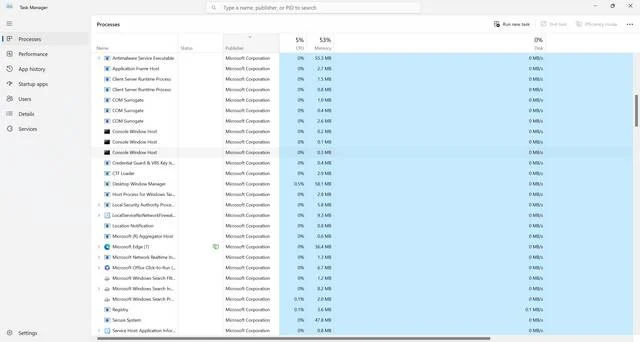
When you open the Task Manager on your Windows computer, you may notice a process called “AMD Catalyst Control Center” running in the background. This process, also known as “CCC.exe,” is associated with AMD graphics cards and is responsible for managing various settings and features related to your graphics card.
What is AMD Catalyst Control Center?
AMD Catalyst Control Center is a software suite developed by Advanced Micro Devices (AMD) for their graphics cards. It provides users with a centralized interface to configure and control various aspects of their graphics card, including display settings, performance options, and video playback settings.
The Catalyst Control Center allows users to adjust settings such as screen resolution, refresh rate, color depth, and multiple display configurations. It also provides options for enabling or disabling features like anti-aliasing, anisotropic filtering, and vertical sync, which can enhance the visual quality and performance of games and other graphics-intensive applications.
Why is AMD Catalyst Control Center Running in Task Manager?
AMD Catalyst Control Center runs in the background as a separate process to ensure that the settings and configurations you have chosen for your graphics card are applied and maintained. It needs to be running to provide real-time control and management of your graphics card.
Here are a few reasons why you might see the AMD Catalyst Control Center process running in Task Manager:
- Automatic Startup: By default, AMD Catalyst Control Center is set to start automatically when you boot up your computer. This allows it to be ready to manage your graphics card as soon as you log in.
- Driver Updates: The Catalyst Control Center process may also run when you update your AMD graphics card drivers. It ensures that the new driver settings are applied correctly and that any changes made during the update process are implemented.
- Background Monitoring: AMD Catalyst Control Center may run in the background to monitor your graphics card’s performance and temperature. This allows it to adjust settings dynamically to optimize performance or prevent overheating.
Is AMD Catalyst Control Center Necessary?
While AMD Catalyst Control Center is not essential for the basic functioning of your computer, it plays a crucial role in managing and optimizing your graphics card’s performance. Without it, you may not be able to access advanced graphics settings or take full advantage of your AMD graphics card’s capabilities.
If you are not a gamer or do not use graphics-intensive applications, you may not need to interact with the Catalyst Control Center frequently. However, it is still recommended to keep it running in the background to ensure that your graphics card is properly managed and configured.
Should I Be Concerned About AMD Catalyst Control Center Running?
Seeing the AMD Catalyst Control Center process running in Task Manager is completely normal and should not raise any concerns. It is a legitimate process associated with AMD graphics cards and is not a sign of malware or any malicious activity.
However, if you notice any unusual behavior or suspect that your computer may be infected with malware, it is always a good idea to run a scan with a reliable antivirus or anti-malware software. Malwarebytes Free is a popular choice for scanning and removing malware.
Conclusion
The AMD Catalyst Control Center process running in Task Manager is a legitimate component of AMD graphics cards. It is responsible for managing and optimizing various settings and features related to your graphics card. While it may not be essential for basic computer functionality, it is recommended to keep it running to ensure proper management and configuration of your graphics card.
If you encounter any issues with the AMD Catalyst Control Center or suspect malware activity, it is always a good idea to run a scan with a reliable antivirus or anti-malware software like Malwarebytes Free. This will help ensure the security and performance of your computer.

Join the discussion
0 commentsShare your experience or ask a question about this article.
Discussion
Start the conversation
Have a question or something useful to share? Add the first comment.