

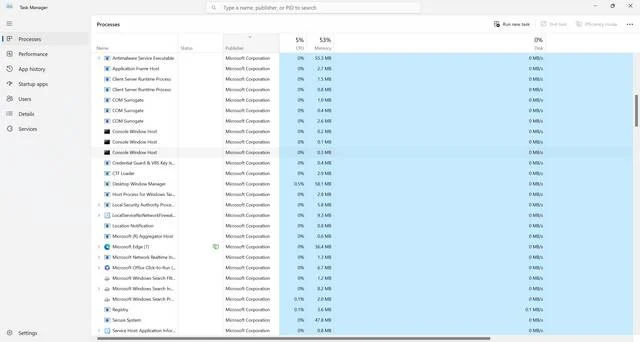
When you open the Task Manager on your Windows computer, you may notice a process called “AMD System Service” running in the background. This process is associated with AMD (Advanced Micro Devices), a leading manufacturer of computer processors and graphics cards. In this article, we will explore the purpose of the AMD System Service process, why it is running in Task Manager, and whether it is necessary for your system’s performance.
Understanding the AMD System Service Process
The AMD System Service process, also known as “AMD External Events Utility,” is a background service that is installed alongside AMD graphics drivers. Its primary function is to provide communication between the AMD graphics driver and various hardware components, such as the GPU (Graphics Processing Unit) and CPU (Central Processing Unit).
By running in the background, the AMD System Service process ensures that the AMD graphics driver can effectively manage and optimize the performance of your AMD graphics card. It helps facilitate tasks such as power management, temperature monitoring, and fan control, ensuring that your graphics card operates efficiently and reliably.
Why Is the AMD System Service Running in Task Manager?
When you see the AMD System Service process running in Task Manager, it indicates that the AMD graphics driver is installed and functioning correctly on your system. The process itself is not a cause for concern, as it is an essential component of the AMD graphics driver software.
However, it is worth noting that the AMD System Service process may consume a small amount of system resources, such as CPU and memory. In most cases, the resource usage is minimal and should not impact your system’s overall performance. If you notice unusually high resource usage or performance issues, it is recommended to investigate further to ensure there are no underlying issues.
Should You Disable or Remove the AMD System Service Process?
Disabling or removing the AMD System Service process is generally not recommended unless you have a specific reason to do so. The process plays a crucial role in the proper functioning of your AMD graphics card and ensures optimal performance.
However, if you suspect that the AMD System Service process is causing performance issues or conflicts with other software, you can try the following troubleshooting steps:
- Update AMD Graphics Drivers: Outdated or incompatible graphics drivers can sometimes cause issues. Visit the official AMD website and download the latest drivers for your graphics card model.
- Scan for Viruses and Malware: Malicious software can sometimes disguise itself as legitimate processes. It is always a good practice to scan your system for viruses and malware using reputable antivirus software. We recommend using Malwarebytes Free for comprehensive protection.
- Check for Software Conflicts: Certain software applications or utilities may conflict with the AMD System Service process. Try disabling or uninstalling any recently installed software to see if it resolves the issue.
- Seek Technical Support: If you have exhausted all troubleshooting steps and are still experiencing issues, it is advisable to reach out to AMD’s technical support for further assistance. They can provide specific guidance based on your system configuration and software environment.
Conclusion
The AMD System Service process running in Task Manager is a vital component of the AMD graphics driver software. It ensures effective communication between the graphics driver and hardware components, optimizing the performance of your AMD graphics card. While the process may consume minimal system resources, it is generally not a cause for concern.
If you encounter any performance issues or suspect conflicts with other software, it is recommended to follow the troubleshooting steps mentioned above. Disabling or removing the AMD System Service process should only be considered as a last resort, and it is advisable to seek technical support from AMD if necessary.
Remember to keep your graphics drivers up to date and regularly scan your system for viruses and malware using reliable security software like Malwarebytes Free. By maintaining a healthy system, you can ensure the smooth operation of your AMD graphics card and enjoy optimal performance in your computing tasks and gaming experiences.

Join the discussion
0 commentsShare your experience or ask a question about this article.
Discussion
Start the conversation
Have a question or something useful to share? Add the first comment.