


The message lands while you’re waiting for a parcel. It mentions Aramex, a delivery problem, and something small you need to put right.
Perhaps a signature is missing. Perhaps a fee needs paying. Before you open the link, take a moment to look at where that request leads.
Overview
The parcel problem is a pretext for a payment form
The Aramex delivery fee text scam impersonates the courier to get you onto a counterfeit tracking or payment page. The target is your information, not a shipment.
Messages can describe a missed delivery, customs delay, incomplete address, or missing signature. A shipment reference and short deadline make the request feel routine.
The supposed solution is conveniently placed underneath: open a link, correct the details, and pay a modest charge so delivery can continue.
Aramex has warned about messages it did not send
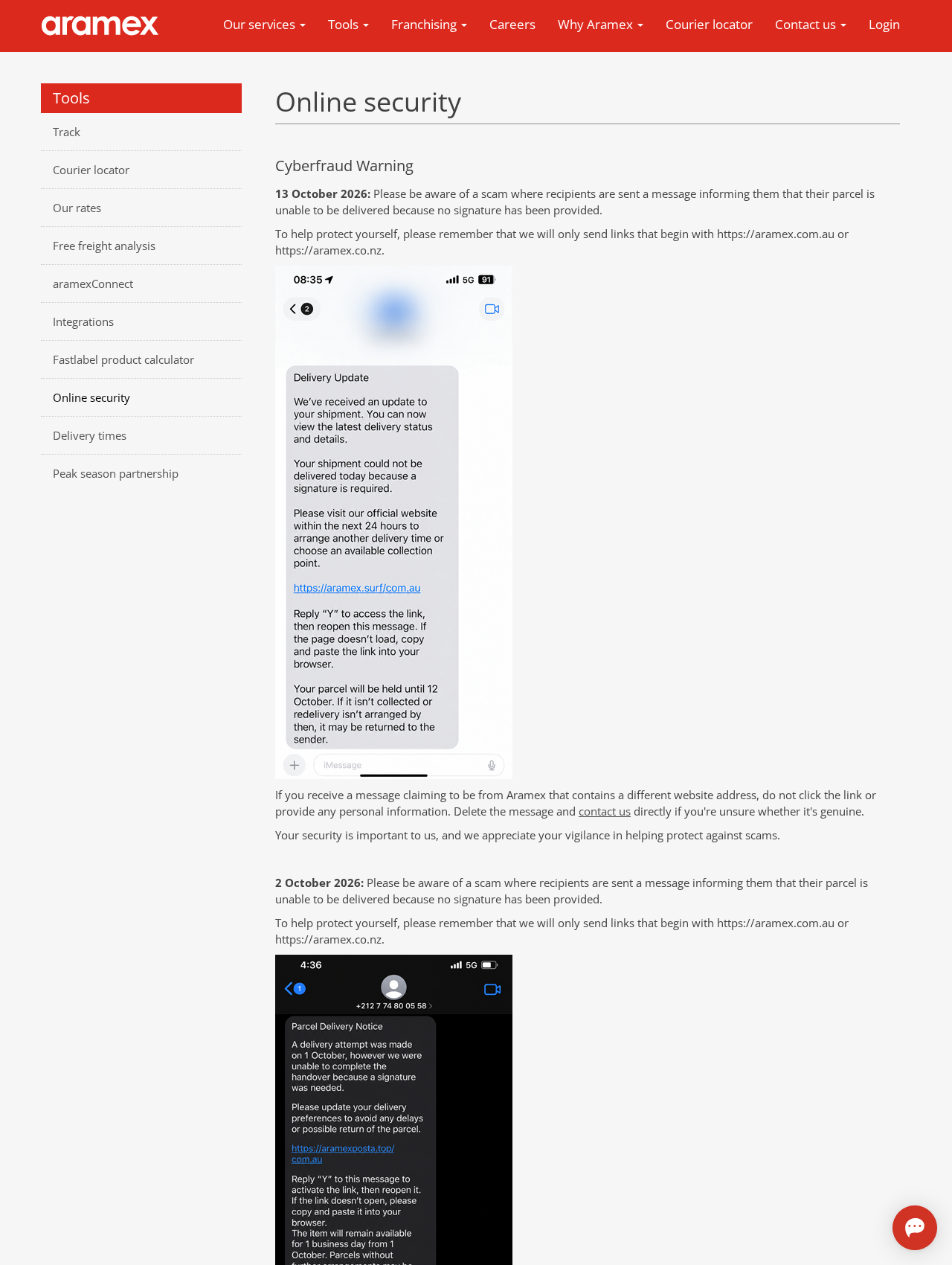
Aramex Australia’s security page includes warnings about texts claiming delivery failed because no signature was provided. It directs customers away from unfamiliar website addresses.
The courier is being impersonated. This article is not accusing Aramex, its drivers, or its genuine parcel services of running the scheme.
A real delivery and a fraudulent message can also arrive around the same time. Having a parcel on the way does not authenticate the sender.
What makes the request dangerous
- A small advertised charge can conceal the much larger consequence of exposing a usable card.
- A copied logo and tracking layout can make an unrelated website look like the courier.
- An authentication prompt may authorize something different from the delivery fee you expected.
- A later caller may use the information you entered to impersonate your bank.
Do not pay through the unexpected text. Check the shipment through your retailer’s order record or the courier’s genuine service, reached independently.
Why the Message Fits So Easily Into an Ordinary Day
You do not need to be expecting an expensive purchase for this approach to work. A household may have several parcels moving through different carriers.
A delivery reference looks useful because it resembles information a courier would know. But the sender can put a plausible-looking reference into any message.
The fee helps keep your attention on finishing a minor task. Paying a small amount may seem easier than checking an unfamiliar customs or redelivery explanation.
That is the wrong measure of the risk. The page may ask for the same card details whether the displayed amount is tiny or substantial.
A card number, expiry date, security code, and authentication approval can matter far more than the amount written above the form.
There is another practical trap: the link is already in your hand. You can act immediately, while independent checking requires leaving the conversation.
Give yourself permission to leave it. A delivery issue can be checked without letting the person who sent the message choose your next website.
How the Aramex Delivery Fee Text Scam Works
Step 1: A message invents an obstacle to delivery
The opening message frames the situation as an unfinished delivery rather than an unsolicited sale. Something has supposedly stopped your parcel from reaching you.
Missing signatures and address problems are believable because they happen in real logistics. Scammers borrow that familiar explanation to make their instruction seem necessary.
The example published by Aramex tells the recipient to reply Y, then reopen the message to access its link. Do not follow that instruction.
A deadline adds pressure. You may be told the package will be returned, held, or delayed unless you act quickly.
Do not reply to confirm your address or ask the sender to explain. First find the actual order and its tracking information somewhere the sender does not control.
Step 2: The link replaces the courier’s real tracking service
The destination may display Aramex branding, a shipment summary, and a form. That visual continuity makes it feel as though you have simply opened your delivery record.
Look at the address, not just the heading. A brand name in a page title, image, or long URL does not identify the website’s operator.
Aramex’s example uses aramex[.]surf/com.au. The com.au text comes after a slash; it does not make aramex.surf an Australian Aramex domain.
For example, aramex.com.au.parcel-help.example would belong under parcel-help.example. It would not become an Aramex address because the familiar words appear at the beginning.
That example is deliberately nonfunctional. The practical point is to read the actual domain rather than trusting the first recognizable part.
Aramex Australia’s notice identifies aramex.com.au and aramex.co.nz for its regional messages. Do not turn that regional guidance into a claim about every Aramex service worldwide.
Step 3: A minor charge becomes a request for valuable details
The counterfeit page can ask for your name, delivery address, telephone number, and card details. Those requests are presented as part of clearing the parcel problem.
At this point, the transaction is no longer just about a small fee. You are supplying information another person could use without delivering anything.
An error message may encourage another attempt or another card. Do not assume the earlier details were discarded because the page said the payment failed.
Information can be captured before the final confirmation screen. If you typed sensitive details into the form, tell your bank what you entered, even without a receipt.
Step 4: An approval request can move the fraud further
Some payment journeys introduce a one-time code or banking-app approval. Read the actual transaction description and amount before responding to any prompt.
Do not approve an unfamiliar payment because a page says it verifies a parcel. The bank’s prompt may describe the real action more accurately than the website.
If a caller then says they are investigating the delivery payment, end the call and contact your bank through its official app or card number.
Knowing your name or the failed fee does not authenticate that caller. Those details may be exactly what the earlier form collected.
Never move money to a supposed safe account or disclose another code to undo the first transaction. That is a new request requiring independent verification.
A Genuine Courier Charge Is Different From This Link
Not every delivery-related charge is fraudulent. Customs duties, agreed services, and certain redelivery arrangements can exist, depending on the shipment and region.
The warning concerns an unverified demand that uses the courier’s identity to send you elsewhere. It is not a reason to ignore genuine invoices indefinitely.
Find your original order confirmation and open the retailer’s account directly. Check the carrier, shipment reference, and current status there.
If a genuine charge remains unclear, contact the appropriate Aramex service using details from its established website. Do not use the number supplied in the suspicious message.
Aramex Australia specifically distinguishes collection from a depot or Collection Point from a redelivery service arranged at a customer’s request.
That difference matters. A scammer may borrow a real logistics term while skipping the genuine shipment record and agreed arrangement that would make it meaningful.
Do not pay the message merely because its wording sounds possible. Establish the actual parcel and payment route first.
What the Sender’s Name, Padlock, and Tracking Number Prove
A recognizable sender name helps a message blend into your inbox. It is not equivalent to a verified instruction from the company.
The same applies when a suspicious message appears close to genuine notifications. Judge the request itself, particularly the destination and information being requested.
A browser padlock means the connection uses encryption. A counterfeit page can have an encrypted connection while sending your information to the wrong party.
A tracking number also needs an independent check. Copy it only if you can do so safely, then use the genuine carrier service rather than the supplied link.
If the number does not match your retailer’s order record, do not fix the discrepancy by submitting more personal information to the message’s page.
And if you are unsure how to interpret a long address, you do not need to become a URL expert on the spot. Close it and start independently.
What to Do If You Have Fallen Victim to This Scam
-
Stop using the link immediately. Do not retry the payment, enter another card, or continue a conversation with a supposed delivery agent.
Keep a screenshot of the message and the website address if already available. Preserve evidence without reopening the page or completing another step.
-
Contact your bank if card details were entered. Use its official app or the telephone number printed on your card.
Explain that a fake courier page received your card number, expiry date, or security code. Ask about blocking the card, replacement, and checking pending transactions.
You do not need to wait for a large charge before asking for help. Tell the bank whether you also approved a prompt or supplied a code.
-
Identify every payment you do not recognize. Note amounts, dates, merchant descriptions, and any difference from the fee shown on the counterfeit page.
Ask your provider how to dispute those transactions. Keep its reference number and follow its instructions; reimbursement depends on the circumstances and applicable protections.
-
Protect any account details you shared. If you entered a password, change it through the genuine service and replace it wherever else it was reused.
Check the security of your email account, particularly recovery details and unfamiliar sessions. An exposed payment card and an exposed account require different protective actions.
-
Deal with software exposure only if it happened. Reading a text does not mean your phone is infected. A card-phishing form does not automatically install malware.
If you installed an unfamiliar app, extension, or profile, stop using it and seek device-specific removal help. Do not follow cleanup instructions sent by the suspicious sender.
For a suspicious Windows download, a Malwarebytes Free scan can help find unwanted software. It cannot cancel a payment or replace exposed credentials.
AdGuard can reduce advertising and tracking exposure while browsing. It does not authenticate courier texts or guarantee that every phishing destination is blocked.
MalwareTips may receive a commission through software links. No software purchase is needed to contact your bank or report a fraudulent message.
-
Report the impersonation through the genuine courier. Aramex Australia’s online security page provides its scam-reporting contact, scams@aramex.com.au.
Use the appropriate official channel for your country. Include the sender, message, destination address, and what happened, but never send a card security code or banking password.
-
Use the relevant public reporting service. Australian readers can report to Scamwatch. Readers elsewhere should use their local cybercrime or consumer-protection reporting route.
A report helps document the incident but does not replace the urgent conversation with your payment provider. Do those tasks separately.
-
Expect a possible second approach. Be suspicious of anyone promising a refund, parcel release, or guaranteed recovery after learning about your experience.
Do not pay a recovery fee or install remote-access software. A stranger describing the original scam accurately can still be trying to exploit it.
If You Only Clicked, Start With What Actually Happened
Opening a link is not the same as submitting a card, approving a transaction, or installing an app. Work through those possibilities calmly.
If you closed the page without entering anything or granting permissions, there may be no exposed payment information to replace. Avoid assuming the worst from the click alone.
If you allowed browser notifications, revoke that site’s permission in the browser settings. Later pop-up warnings may be notification abuse rather than evidence of an infection.
Keep your browser and operating system updated. If you notice unfamiliar software or account activity, investigate that specific change instead of trusting another alarming advertisement.
If you did provide details, acting promptly is more useful than blaming yourself. These messages are designed to fit a familiar task at an inconvenient moment.
Finally, check the real delivery separately. You can protect your accounts and still collect a genuine parcel without returning to the fraudulent conversation.
Frequently Asked Questions
Is an Aramex text asking for a delivery fee genuine?
Do not trust an unexpected fee link. Verify the actual shipment and charge through the retailer or the appropriate official Aramex service.
Does a real tracking number make the message safe?
No. A number needs checking independently. It does not authorize an unrelated website to collect your card or account details.
Can Aramex ever have a legitimate delivery-related charge?
Yes, depending on the service and region. The safe response is independent verification, not paying an unsolicited link or ignoring a genuine invoice.
What if the page said my card payment failed?
Treat details entered into the counterfeit form as exposed. Contact your bank even if the page did not display a successful payment.
Do I need antivirus just because I received the text?
No. Receiving the message alone does not establish infection. Device cleanup becomes relevant if you installed software, granted permissions, or have another concrete sign of compromise.
What should I do after giving the page a banking code?
Contact your bank immediately through a trusted route. Explain the code or approval and check the action it authorized, including pending transactions.
The Bottom Line
Do not pay the Aramex delivery fee through an unexpected text. A convincing parcel story is not permission to collect your card details on an unrelated page.
If you entered payment information, contact your bank now. Then report the message and check your genuine shipment independently, without returning to the scam link.

Join the discussion
0 commentsShare your experience or ask a question about this article.
Discussion
Start the conversation
Have a question or something useful to share? Add the first comment.