

Scammers are promoting fake airdrops for Astherus via spam on social media platforms like X (Twitter) Youtube, Facebook and TikTok. Users who try to participate in these bogus giveaways expose their crypto wallets to theft. This article will explain how the scam works and provide tips to avoid becoming a victim.
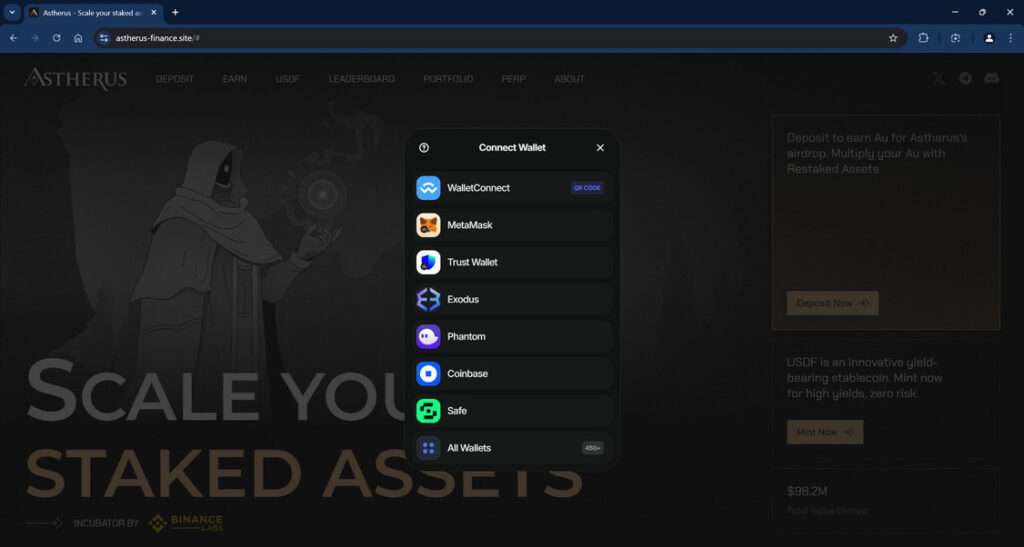
Overview of the Fake Astherus Airdrop Scam
The fake Astherus airdrop scam sweeping social media channels imitates giveaways from the legitimate Astherus platform to deceive users. Promoted posts and ads offer free cryptocurrency or tokens in an “airdrop” to participants who connect their wallets on a fraudulent website impersonating Astherus.
However, the site is an elaborate ruse designed to drain money from victims’ crypto accounts once they interact with the scam. This cybercrime technique combines social engineering via ads and spam with a malicious smart contract that enables automated crypto theft.
Scammers rely on the AirDrop hype on platforms like Astherus to add credibility. Airdrops are a popular promotional method in the crypto space, allowing projects to distribute free tokens to spur adoption. The tactic banks on users’ FOMO (fear of missing out) when they see an airdrop offer with time pressure and limited supply.
By mimicking a real airdrop, the scammers capitalize on this to lower victims’ guard and convince them to connect wallets quickly. The scam ads spread rapidly through spam comments, posts, influencer promotions, and fake social accounts. Crypto newbies are prime targets, as they may not be able to spot the sophisticated fakes.
Once a user connects their wallet on the scam site, a malicious smart contract developed by the scammers drains funds automatically. The stolen assets are rapidly dispersed to the attackers’ accounts. This gradual syphoning over time lets large sums be stolen before victims notice.
Some versions of the scam narrow their targets using wallet metadata to identify and prioritize draining higher value accounts first. The scam website remains functional until exposed and taken down, allowing the crypto theft to continue at scale before then moving to a new domain.
Losses can be extensive, especially for wallets with less strict security protocols. Scammers have stolen thousands in crypto from individual users. The readiness to capitalize on buzzy platforms like Astherus makes awareness and vigilance vital.
How the Fake Astherus Airdrop Scam Works
The Astherus airdrop scam is relatively simple in its execution, though devastatingly effective at draining crypto funds from victims. Here is a step-by-step look at how this scam operates:
Step 1 – Promotion of the Fake Airdrop
The scammers begin by aggressively promoting the fake Astherus airdrop through social media ads and posts. These promotions promise users free crypto rewards if they participate in an exclusive airdrop event.
Catchy slogans and imagery help convince users the offers are legitimate. In reality, the scammers are luring victims into connecting their wallets to malicious dApps.
Step 2 – Directing Users to Fake Sites
The social media promotions include links that direct users to fake sites impersonating Astherus. These scam sites feature stolen branding and claim to facilitate the airdrop after users connect their wallet.
These fake sites look convincing, often featuring intricate designs, imagery, and details copied from the real project. However, URL inspection reveals they are not the official Astherus site.
Step 3 – Prompting Users to Connect Their Wallet
Once on the scam sites, users are prompted to connect their cryptocurrency wallets to claim the fake airdrop rewards.
Dire warnings are shown, urging users to connect their wallet before the false claim period expires. Countdown timers and progress bars add to the urgency and help convince victims to connect.
Step 4 – Initiating the Crypto Drain
Unfortunately, connecting a wallet to these scam sites grants access for the crypto draining process to begin. Rather than receiving rewards, users are unknowingly approving transactions that send their funds to the scammers’ wallets.
Once connected, there is no actual airdrop. Instead, the scammers initiate an automated process that identifies, targets, and drains the most valuable assets from the victim’s wallet.
Step 5 – Draining Funds Over Time
To avoid detection, the scammers usually drain funds slowly over an extended period. Daily drain limits are configured to steal growing amounts over days, weeks, or even months.
By spreading out the transactions, the scam is less noticeable on block explorers and activity logs. This allows the draining to continue until the wallet is emptied.
Step 6 – Disappearing Act
After sufficiently draining their victims, the scammers cover their tracks by taking down the fake sites and social media pages. With their crypto haul secured, they vanish without a trace.
Victims are often unaware exactly when their funds were compromised or drained. By the time the scam is detected, the scammers already completed the theft.
What to Do If You Connected Your Wallet
If you connected your wallet to one of these fake Astherus airdrop scams, take action immediately to protect your funds:
- Move Assets to a New Wallet – First, transfer any crypto still in your compromised wallet to a brand new wallet. This ensures the scammers can no longer access the old wallet.
- Disconnect Linked Sites – Open your wallet settings and disconnect any linked sites that could have access. This helps prevent further unauthorized transactions.
- Scan Activity Logs – Review recent transactions to identify unauthorized outbound transfers. Check for small daily amounts being drained over time.
- Alert Your Contacts – Let any peers, DAOs, or contacts linked to your wallet know it was compromised. This helps prevent further damage.
- Watch Account Balances – Closely monitor your wallet balances and account activities for any suspicious transactions over the next few weeks.
- Avoid Interacting With Scam Sites – Never attempt to reconnect with the scam sites or links, as they may trigger additional wallet access.
- Report Scam Accounts – Document and report the fake social media profiles and sites to the platforms. This can help curb the scam’s spread.
- Contact Law Enforcement – For large losses, consider contacting law enforcement cybercrime divisions for assistance. Provide as many details as possible.
Frequently Asked Questions About the Astherus Airdrop Scam
1. What exactly is the Astherus airdrop scam?
The Astherus airdrop scam is a fraudulent scheme where scammers create fake websites and social media profiles impersonating the legitimate Astherus crypto project. These scammers promote fake airdrops offering free Astherus tokens to lure victims into connecting their cryptocurrency wallets. This grants the scammers access to steal funds from the victim’s wallet.
2. How do the scammers carry out this crypto scam?
The scammers first create convincing duplicate websites designed to mimic the real Astherus site and brand down to small details. They then aggressively promote links to these fake sites using purchased ads and spam accounts on platforms like Twitter, Facebook, Instagram and YouTube. Victims who click these links are taken to the scam sites and prompted to connect their wallet to claim fake airdrop rewards. Once connected, the scammers initiate processes to drain and steal funds.
3. What tactics do the scammers use to convince victims?
The scammers use urgency, social proof, and legitimacy tactics to convince victims. Fake countdown timers and progress bars create false urgency to connect wallets. Spam accounts with fake celebrity profile photos promote the links to simulate social proof. The intricate fake sites with stolen branding lend false legitimacy to the scams. Promises of free tokens exploit human psychology.
4. How much crypto have the scammers stolen?
While difficult to accurately track, security researchers estimate these scammers have collectively drained millions in cryptocurrency funds from victims so far. The scam has been active since at least 2020 across multiple iterations as new fake sites are created. The scammers cover their tracks by taking down sites after sufficient funds are stolen.
5. How can I identify fake Astherus airdrop scams?
Warning signs include aggressive promotion through unsolicited messages, short claim periods, upfront wallet connections, vague project details, new/unverified social accounts, denied affiliation with Astherus, cloned scam sites, and design/spelling inconsistencies. Real airdrops will never ask you to immediately connect an existing wallet.
6. What should I do if I connected my wallet to a fake airdrop?
Immediately move your remaining crypto funds to a brand new wallet so the scammers no longer have access. Disconnect your wallet from any linked sites. Closely monitor transactions and account activity for unauthorized transfers. Alert contacts of the compromise. Avoid reconnecting to the scam site as it may trigger more access. Report fake social media accounts used for promotion.
7. How can I avoid these fake airdrop scams in the future?
Only participate in airdrops directly announced on official project sites and verified social media profiles. Independently search for recent legitimate airdrop announcements rather than trusting posts at face value. Check that links really go to official sites, not near-replica scam pages. Register for airdrops only after creating an account on the real project site first.
8. Why is it so difficult to recover stolen crypto funds?
The pseudo-anonymous nature of cryptocurrency transactions makes tracking and identifying the scammers extremely difficult. The scammers cover their trail by scattering funds across multiple wallets. Crypto funds sent to a wallet address cannot be forcibly returned or revoked without the private keys. This allows the scammers to abscond with the stolen crypto.
9. How can the crypto community combat these scams?
Increased user awareness of the scammers’ methods can help reduce victimization. Projects should report scam sites and accounts to host platforms for removal. Anti-phishing measures like SSL certification can help users identify fake sites. Improved analytics tools can also help trace stolen funds and attribute them to related scam infrastructure for disruption.
10. Are fake airdrop scams illegal?
Yes, these scams involve outright theft through deception, impersonation of brands, and fraudulent misrepresentation. They violate computer hacking and access laws. The FBI, FTC, and SEC all warn that such crypto scams are illegal. Victims should report these crimes to law enforcement agencies like the FBI’s Internet Crime Complaint Center.
The Bottom Line
This Astherus fake airdrop scam is a prime example of social engineering tactics used to steal cryptocurrency assets. Always exercise extreme caution before connecting your wallet to any platform.
Double check URLs and credentials of any crypto promotion, especially airdrops. Only connect your wallet to trusted platforms after verifying legitimacy. Stay vigilant for signs of fraud like urgency cues and impersonators.
With cybercrime on the rise, it is crucial to take steps to protect your crypto assets. Never input wallet credentials unless certain of safety. Performing due diligence could prevent you from falling victim to drainer scams like this fake Astherus airdrop promotion.

Join the discussion
0 commentsShare your experience or ask a question about this article.
Discussion
Start the conversation
Have a question or something useful to share? Add the first comment.