

When it comes to optimizing the performance of your ASUS computer, you may have come across a feature called ASUS Fast Boot. This feature is designed to reduce the boot time of your computer by skipping certain system initialization processes. However, you may be wondering whether it is necessary to keep ASUS Fast Boot enabled or if it is safe to remove it. In this article, we will explore what ASUS Fast Boot is, how it works, and whether you should consider removing it.
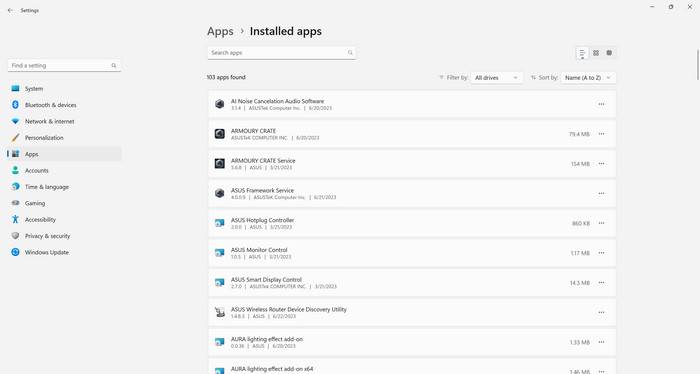
What is ASUS Fast Boot?
ASUS Fast Boot is a feature that aims to reduce the boot time of your ASUS computer. When enabled, it skips certain system initialization processes during startup, allowing your computer to boot up faster. These processes include hardware checks, memory tests, and other system checks that are typically performed during the boot process.
By skipping these processes, ASUS Fast Boot can significantly reduce the time it takes for your computer to start up. This can be especially beneficial if you frequently restart your computer or if you need to quickly access your system.
How Does ASUS Fast Boot Work?
ASUS Fast Boot works by modifying the boot process of your computer. When enabled, it changes the boot settings to skip certain initialization processes that are not essential for the system to start up. This allows your computer to bypass these processes and boot up faster.
However, it is important to note that skipping these processes may have some trade-offs. While it can improve boot times, it may also result in a slightly longer time for your computer to fully initialize after booting up. This means that certain hardware components or drivers may take a bit longer to become fully functional.
Should I Remove ASUS Fast Boot?
Whether you should remove ASUS Fast Boot depends on your specific needs and preferences. Here are some factors to consider:
1. Boot Time vs. System Stability
If you prioritize fast boot times and frequently restart your computer, keeping ASUS Fast Boot enabled may be beneficial. However, if you value system stability and want to ensure that all hardware components and drivers are properly initialized during startup, disabling ASUS Fast Boot may be a better option.
2. Compatibility Issues
Some users have reported compatibility issues with certain hardware components or drivers when ASUS Fast Boot is enabled. If you experience any issues with your system after enabling ASUS Fast Boot, it may be worth considering disabling it to see if the issues are resolved.
3. Customization and Control
ASUS Fast Boot limits your control over the boot process by skipping certain initialization processes. If you prefer to have full control over the boot process and want to customize the initialization settings, disabling ASUS Fast Boot may be necessary.
How to Remove ASUS Fast Boot?
If you have decided to remove ASUS Fast Boot from your computer, you can do so through the BIOS settings. Here’s how:
- Restart your computer and press the appropriate key (usually Del or F2) to enter the BIOS settings.
- Navigate to the “Boot” or “Advanced” section of the BIOS settings.
- Look for an option related to “Fast Boot” or “Quick Boot” and disable it.
- Save the changes and exit the BIOS settings.
After disabling ASUS Fast Boot, your computer will no longer skip the initialization processes during startup, resulting in a longer boot time.
If you prefer to use an uninstall tool to remove ASUS Fast Boot, you can consider using Revo Uninstaller Free. This tool can help you uninstall programs and remove any leftover files or registry entries associated with ASUS Fast Boot.
Conclusion
ASUS Fast Boot is a feature designed to reduce the boot time of your ASUS computer by skipping certain system initialization processes. While it can improve boot times, it may also result in longer initialization times and potential compatibility issues. Whether you should remove ASUS Fast Boot depends on your specific needs and preferences. If you prioritize fast boot times and frequently restart your computer, keeping it enabled may be beneficial. However, if you value system stability, customization, and control over the boot process, disabling it may be a better option. Remember to use caution when modifying BIOS settings and consider using an uninstall tool like Revo Uninstaller Free if you decide to remove ASUS Fast Boot.

Join the discussion
0 commentsShare your experience or ask a question about this article.
Discussion
Start the conversation
Have a question or something useful to share? Add the first comment.