

When it comes to optimizing the performance of your ASUS laptop, you may come across various pre-installed software and utilities. One such utility is ASUS InstantOn for NB, which is designed to provide quick resume functionality and extend battery life. In this article, we will explore what ASUS InstantOn for NB is, how it works, and whether you should consider removing it from your laptop.
What is ASUS InstantOn for NB?
ASUS InstantOn for NB is a software utility developed by ASUS specifically for their laptops. It is designed to provide a quick resume feature, allowing users to instantly resume their laptops from sleep or hibernation mode. This feature is particularly useful for users who frequently need to access their laptops on the go without waiting for a full boot-up process.
Additionally, ASUS InstantOn for NB aims to optimize battery life by intelligently managing power consumption during sleep or hibernation. It achieves this by periodically waking up the laptop to perform necessary tasks such as checking for new emails or updating system settings. By doing so, it ensures that the laptop remains in a low-power state while still staying connected and ready for immediate use.
How Does ASUS InstantOn for NB Work?
ASUS InstantOn for NB utilizes a combination of hardware and software components to provide its quick resume functionality. The software component is responsible for monitoring system events and managing the sleep and hibernation states. It also handles the wake-up process and ensures that the laptop resumes quickly and efficiently.
The hardware component consists of specialized power management features integrated into ASUS laptops. These features enable the laptop to maintain a low-power state while still being able to wake up quickly when needed. The combination of software and hardware optimizations allows ASUS InstantOn for NB to deliver its intended benefits.
Should I Remove ASUS InstantOn for NB?
Whether or not you should remove ASUS InstantOn for NB depends on your specific needs and preferences. Here are some factors to consider:
1. Quick Resume Functionality
If you frequently need to access your laptop on the go and value the ability to resume quickly from sleep or hibernation mode, then keeping ASUS InstantOn for NB installed may be beneficial. It can save you time and provide a seamless user experience, especially when you need to quickly check emails or perform other tasks.
2. Battery Life Optimization
ASUS InstantOn for NB’s power management features can help extend your laptop’s battery life by intelligently managing power consumption during sleep or hibernation. If you rely heavily on your laptop’s battery and want to maximize its runtime, then keeping ASUS InstantOn for NB installed can be advantageous.
3. Personal Preferences
Some users may prefer to have full control over their laptop’s power management settings and may find ASUS InstantOn for NB’s automatic wake-up behavior intrusive. If you fall into this category and prefer to manually manage your laptop’s sleep and hibernation states, then removing ASUS InstantOn for NB might be a better option for you.
How to Remove ASUS InstantOn for NB?
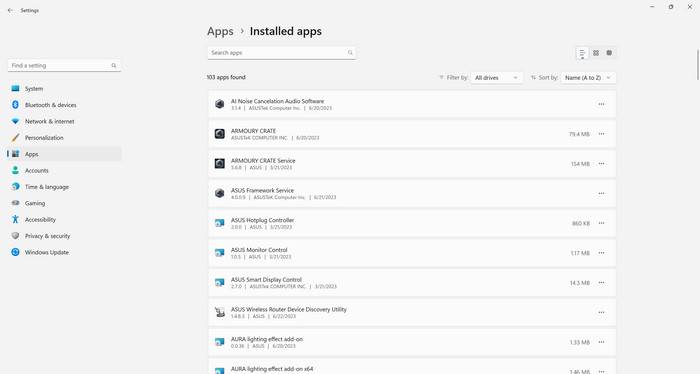
If you have decided to remove ASUS InstantOn for NB from your laptop, you can do so using the following steps:
- Open the Control Panel on your ASUS laptop.
- Select “Programs” or “Programs and Features.”
- Locate ASUS InstantOn for NB in the list of installed programs.
- Click on it and select “Uninstall.”
- Follow the on-screen prompts to complete the uninstallation process.
Alternatively, you can use a third-party uninstallation tool like Revo Uninstaller Free to ensure a thorough removal of ASUS InstantOn for NB and any associated files or registry entries.
Conclusion
ASUS InstantOn for NB is a software utility that provides quick resume functionality and battery life optimization for ASUS laptops. Whether you should remove it or not depends on your specific needs and preferences. If you value quick resume functionality and battery life optimization, then keeping ASUS InstantOn for NB installed can be beneficial. However, if you prefer manual control over power management settings or find the automatic wake-up behavior intrusive, removing ASUS InstantOn for NB might be a better option for you. Remember to use a reliable uninstallation tool like Revo Uninstaller Free for a thorough removal process.

Join the discussion
0 commentsShare your experience or ask a question about this article.
Discussion
Start the conversation
Have a question or something useful to share? Add the first comment.