

ASUS LifeFrame3 is a software application developed by ASUS that is commonly pre-installed on ASUS laptops and computers. It is designed to provide users with a convenient way to capture photos or videos using the built-in webcam on their devices. However, there has been some debate among users about whether or not this software is necessary or if it should be removed. In this article, we will explore what ASUS LifeFrame3 is, its features, potential drawbacks, and whether or not you should consider removing it from your device.
What is ASUS LifeFrame3?
ASUS LifeFrame3 is a webcam utility software that allows users to capture photos and videos using the built-in webcam on their ASUS devices. It provides various features and settings to enhance the webcam experience, such as adjusting image quality, adding effects, and recording videos. The software also includes a face recognition feature that can automatically detect and track faces in the camera’s field of view.
ASUS LifeFrame3 is typically pre-installed on ASUS laptops and computers, and it is compatible with various operating systems, including Windows 7, 8, and 10. The software is designed to be user-friendly, with a simple and intuitive interface that allows users to easily access and utilize its features.
Features of ASUS LifeFrame3
ASUS LifeFrame3 offers several features that can enhance the webcam experience for users:
- Photo and Video Capture: Users can capture photos and record videos using the built-in webcam on their ASUS devices. The software provides options to adjust image quality, resolution, and frame rate.
- Face Recognition: ASUS LifeFrame3 includes a face recognition feature that can automatically detect and track faces in the camera’s field of view. This can be useful for video calls or capturing photos with friends and family.
- Effects and Filters: The software offers a range of effects and filters that users can apply to their photos and videos, such as sepia, black and white, and various color adjustments.
- Easy Sharing: ASUS LifeFrame3 allows users to easily share their captured photos and videos on social media platforms or via email.
Should I Remove ASUS LifeFrame3?
Whether or not you should remove ASUS LifeFrame3 from your device depends on your personal preferences and usage. Here are some factors to consider:
1. Usage of Webcam
If you frequently use the built-in webcam on your ASUS device to capture photos or record videos, ASUS LifeFrame3 can be a useful tool. Its features and settings can enhance your webcam experience and provide additional functionality. However, if you rarely use the webcam or prefer to use other software for capturing photos and videos, you may not find ASUS LifeFrame3 necessary.
2. System Resources
ASUS LifeFrame3, like any other software, utilizes system resources such as CPU and memory. If you have limited system resources or notice a significant impact on your device’s performance while running ASUS LifeFrame3, you may consider removing it to free up resources for other applications.
3. Privacy Concerns
Some users have expressed concerns about the privacy implications of webcam software like ASUS LifeFrame3. While ASUS LifeFrame3 does not have any known security vulnerabilities, it is always important to be cautious when using webcam software and ensure that your device’s webcam is not being accessed without your knowledge or consent. If you have privacy concerns, you may choose to remove ASUS LifeFrame3 or use additional security measures to protect your privacy.
How to Remove ASUS LifeFrame3
If you have decided to remove ASUS LifeFrame3 from your device, there are several methods you can use:
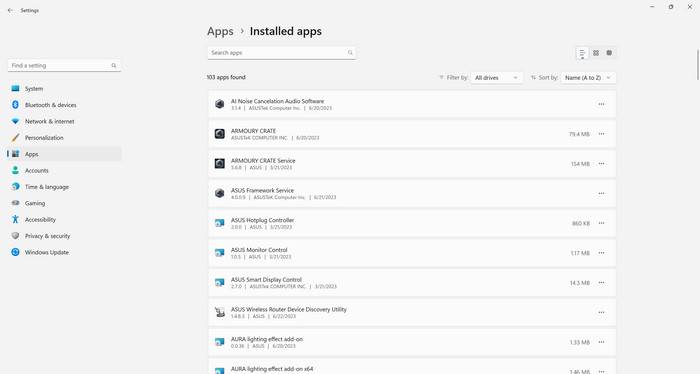
- Uninstall via Control Panel: You can uninstall ASUS LifeFrame3 like any other software by going to the Control Panel on your device, selecting “Programs and Features” or “Add or Remove Programs,” locating ASUS LifeFrame3 in the list of installed programs, and selecting “Uninstall.”
- Third-Party Uninstaller: Using a third-party uninstaller tool can provide a more thorough removal of ASUS LifeFrame3 and its associated files and registry entries. One recommended tool is Revo Uninstaller Free, which can help you uninstall ASUS LifeFrame3 and other unwanted software effectively.
Conclusion
ASUS LifeFrame3 is a webcam utility software developed by ASUS that offers various features and settings to enhance the webcam experience on ASUS devices. Whether or not you should remove ASUS LifeFrame3 depends on your personal preferences, usage of the webcam, system resources, and privacy concerns. If you frequently use the webcam and find the software useful, there is no need to remove it. However, if you rarely use the webcam, experience performance issues, or have privacy concerns, you may consider removing ASUS LifeFrame3. Remember to use the appropriate method, such as uninstalling via Control Panel or using a third-party uninstaller tool like Revo Uninstaller Free, to remove ASUS LifeFrame3 from your device effectively.

Join the discussion
0 commentsShare your experience or ask a question about this article.
Discussion
Start the conversation
Have a question or something useful to share? Add the first comment.