

When it comes to optimizing your computer’s performance, it’s important to evaluate the software and applications installed on your system. One such application that often raises questions is ASUS USB Charger Plus. In this article, we will delve into what ASUS USB Charger Plus is, its purpose, and whether or not you should consider removing it from your computer.
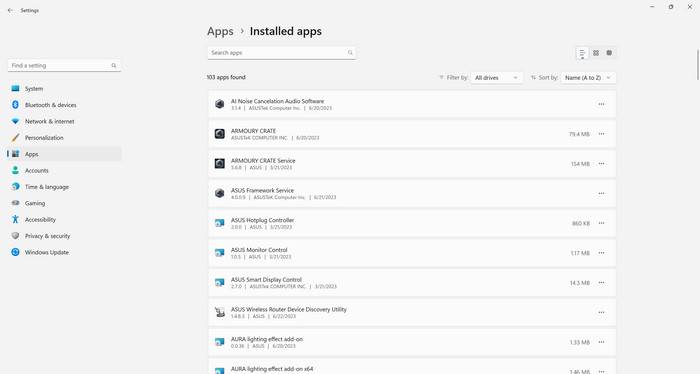
What is ASUS USB Charger Plus?
ASUS USB Charger Plus is a utility program developed by ASUS that aims to enhance the charging capabilities of USB devices connected to your computer. It is typically pre-installed on ASUS laptops and desktops and is designed to provide faster charging times for smartphones, tablets, and other USB-powered devices.
The application works by adjusting the power output of USB ports to deliver an optimized charging current to connected devices. This can be particularly useful when you need to charge your devices quickly, especially when you’re on the go and don’t have access to a dedicated charger.
Should I Remove ASUS USB Charger Plus?
While ASUS USB Charger Plus may seem like a useful tool, there are several factors to consider before deciding whether or not to remove it from your computer.
1. Compatibility and Reliability
ASUS USB Charger Plus may not be compatible with all devices. Some users have reported compatibility issues with certain smartphones and tablets, resulting in slower charging speeds or even device malfunctions. Additionally, there have been reports of the application causing system instability or crashes.
If you frequently encounter compatibility issues or experience system instability while using ASUS USB Charger Plus, it may be worth considering its removal to ensure a smoother and more reliable computing experience.
2. Resource Consumption
Like any other software running in the background, ASUS USB Charger Plus consumes system resources. While the impact on system performance is generally minimal, it may still contribute to slower boot times or overall system responsiveness.
If you find that your computer is running slower than usual or you’re experiencing performance issues, removing ASUS USB Charger Plus could potentially free up system resources and improve overall performance.
3. Alternative Charging Solutions
It’s important to consider whether you actually need ASUS USB Charger Plus to fulfill your charging needs. Most modern smartphones and tablets come with fast charging capabilities built-in, and dedicated chargers often provide faster charging speeds compared to USB ports on a computer.
If you primarily charge your devices using dedicated chargers or have a device that supports fast charging, ASUS USB Charger Plus may not provide significant benefits. In such cases, removing the application can help declutter your system and reduce unnecessary background processes.
How to Remove ASUS USB Charger Plus
If you’ve decided that removing ASUS USB Charger Plus is the right choice for you, there are a few methods you can use to uninstall it from your computer.
1. Windows Uninstaller
The simplest way to remove ASUS USB Charger Plus is by using the built-in Windows uninstaller. Follow these steps:
- Open the Control Panel on your computer.
- Select “Programs” or “Programs and Features.”
- Locate ASUS USB Charger Plus in the list of installed programs.
- Click on it and select “Uninstall.”
- Follow the on-screen prompts to complete the uninstallation process.
2. Third-Party Uninstaller
If you prefer a more thorough uninstallation process, you can use a third-party uninstaller tool like Revo Uninstaller Free. This tool not only removes the application but also scans for leftover files and registry entries, ensuring a complete removal.
To uninstall ASUS USB Charger Plus using Revo Uninstaller Free, follow these steps:
- Download and install Revo Uninstaller Free.
- Launch Revo Uninstaller Free and locate ASUS USB Charger Plus in the list of installed programs.
- Select ASUS USB Charger Plus and click on the “Uninstall” button.
- Follow the on-screen prompts to initiate the uninstallation process.
- After the initial uninstallation, Revo Uninstaller Free will scan for leftover files and registry entries. Select all the detected items and click on the “Delete” button to remove them.
Conclusion
ASUS USB Charger Plus can be a useful utility for those who frequently charge their devices using USB ports on their ASUS computers. However, it’s important to consider compatibility, resource consumption, and alternative charging solutions before deciding whether or not to remove it.
If you experience compatibility issues, system instability, or simply don’t rely on USB charging, removing ASUS USB Charger Plus can help optimize your computer’s performance and free up system resources. Use the Windows uninstaller or a third-party uninstaller tool like Revo Uninstaller Free for a complete removal.
Ultimately, the decision to remove ASUS USB Charger Plus depends on your specific needs and preferences. Evaluate your charging habits and system performance to make an informed choice that best suits your requirements.

Join the discussion
0 commentsShare your experience or ask a question about this article.
Discussion
Start the conversation
Have a question or something useful to share? Add the first comment.